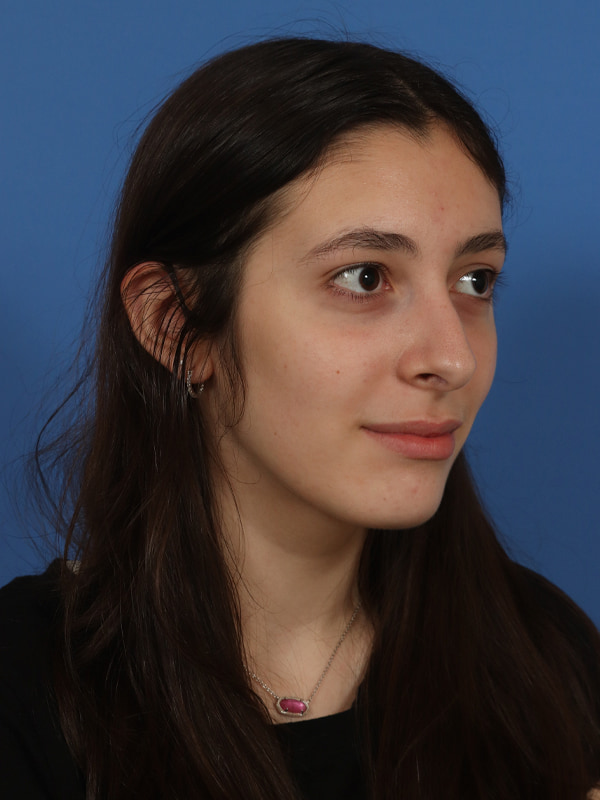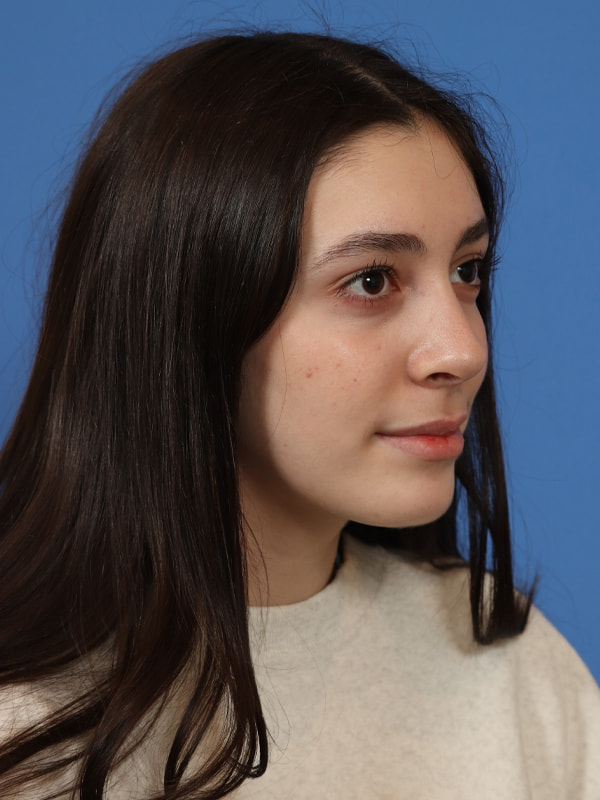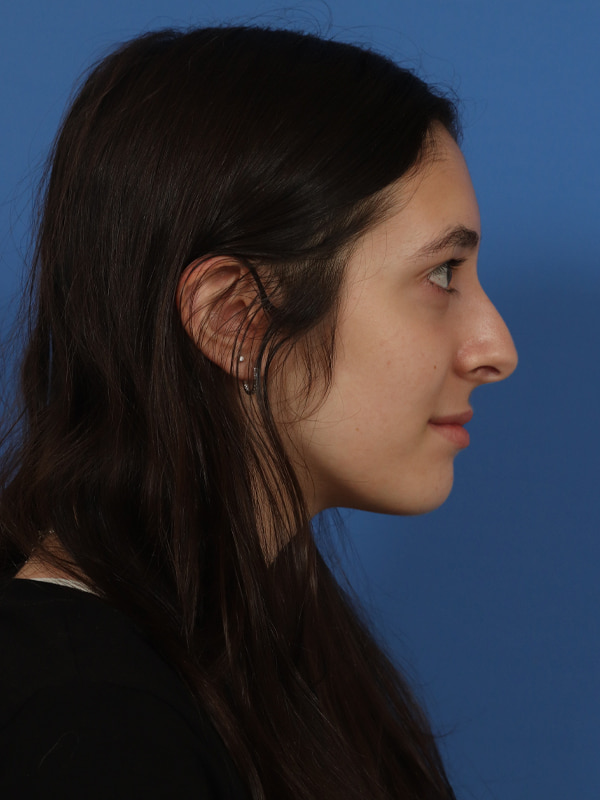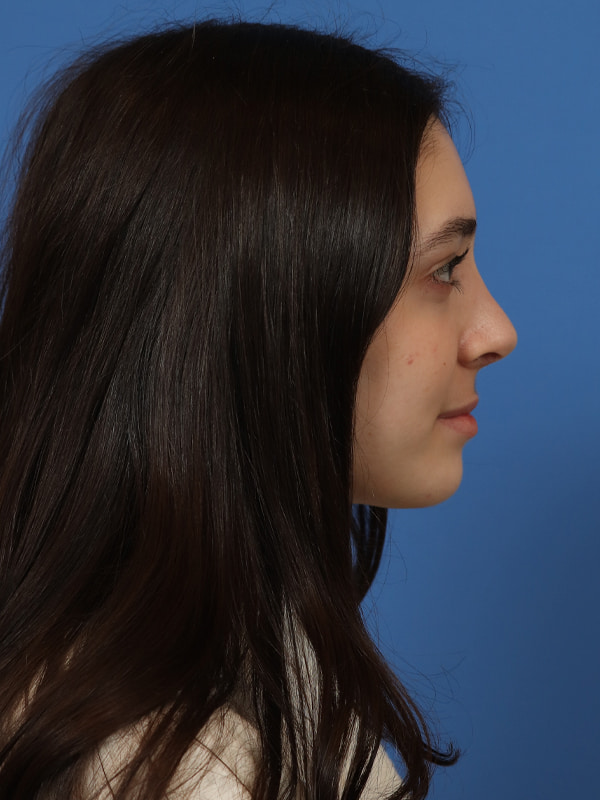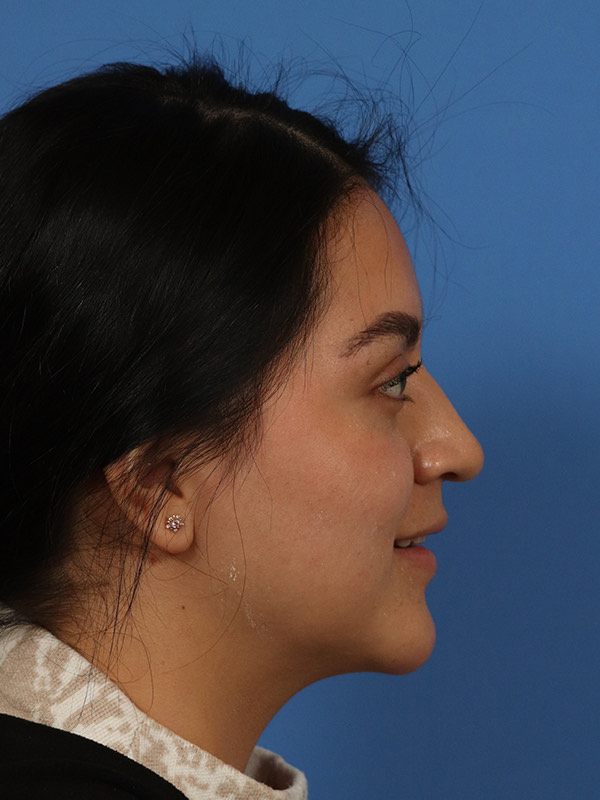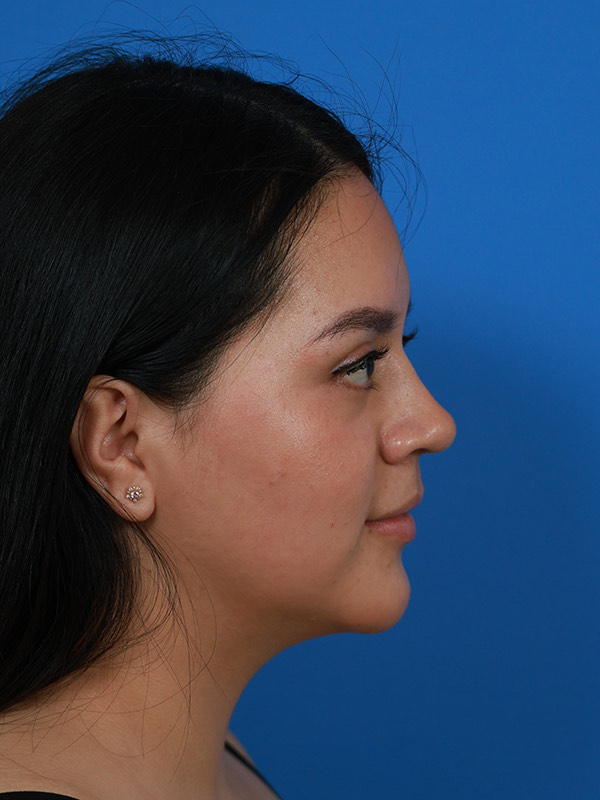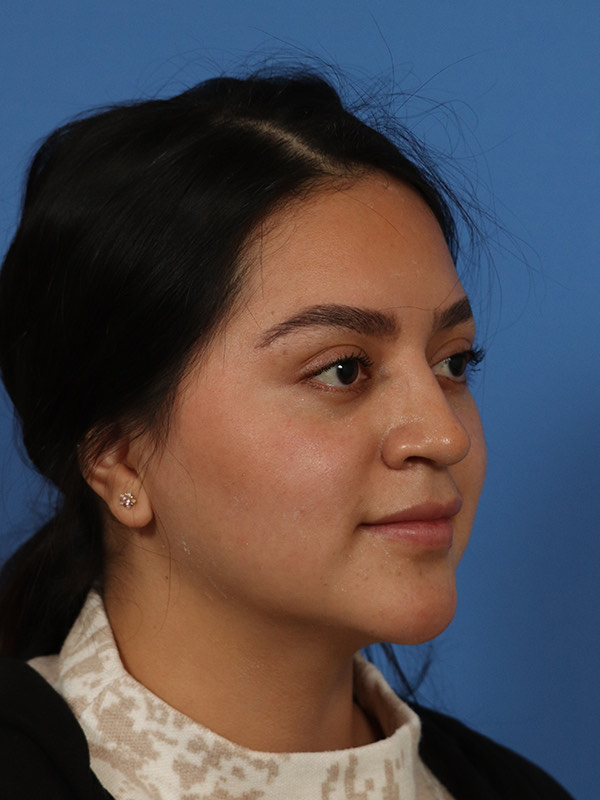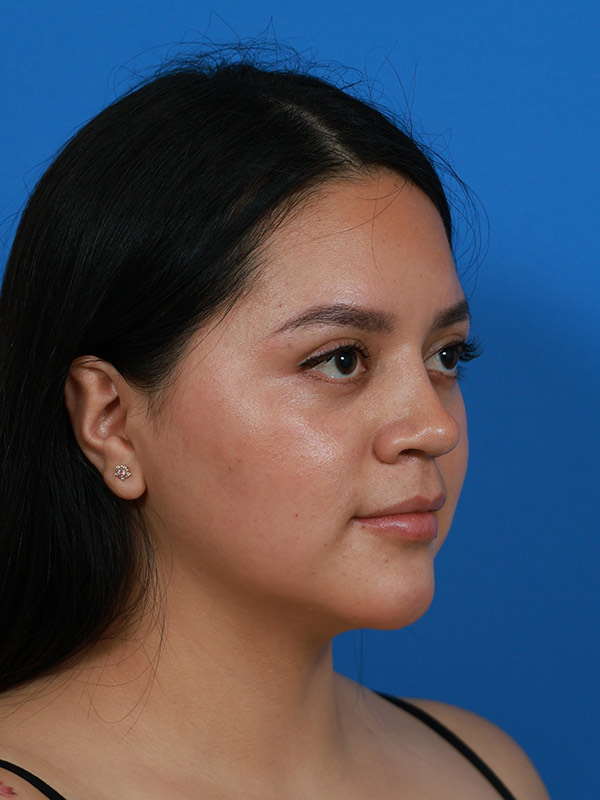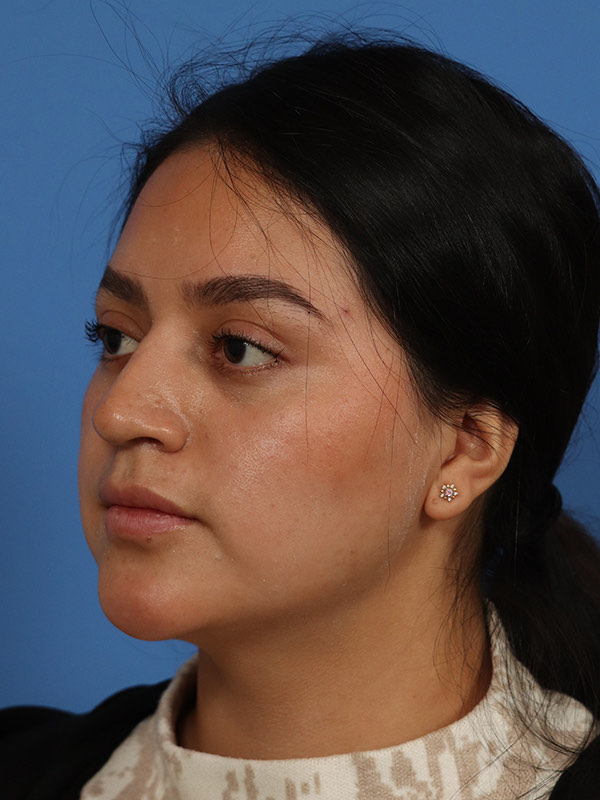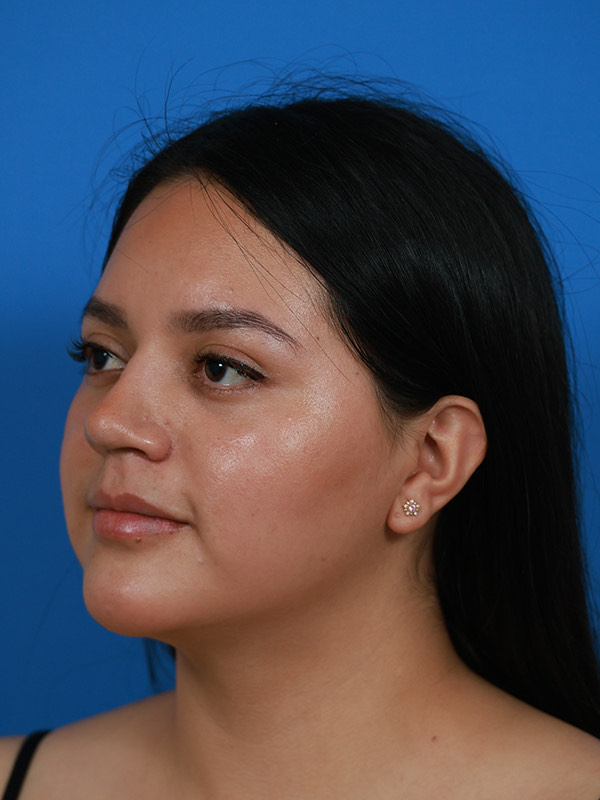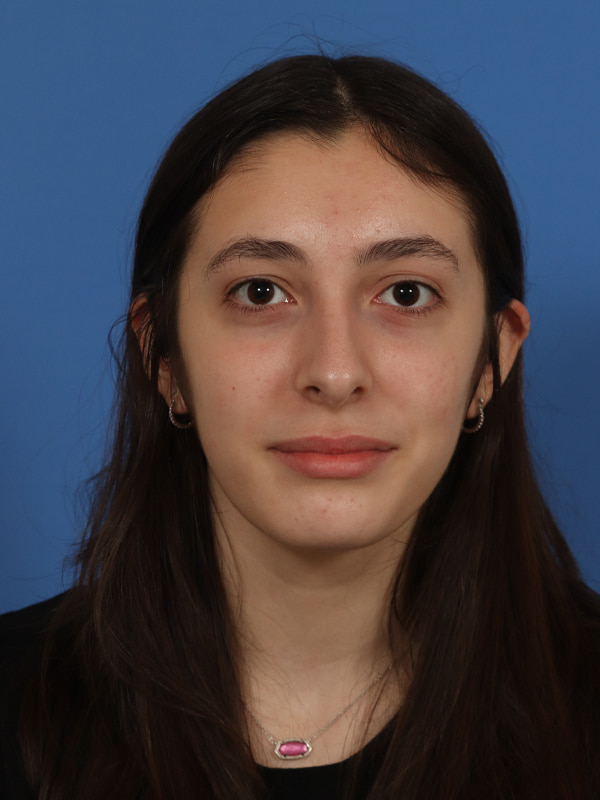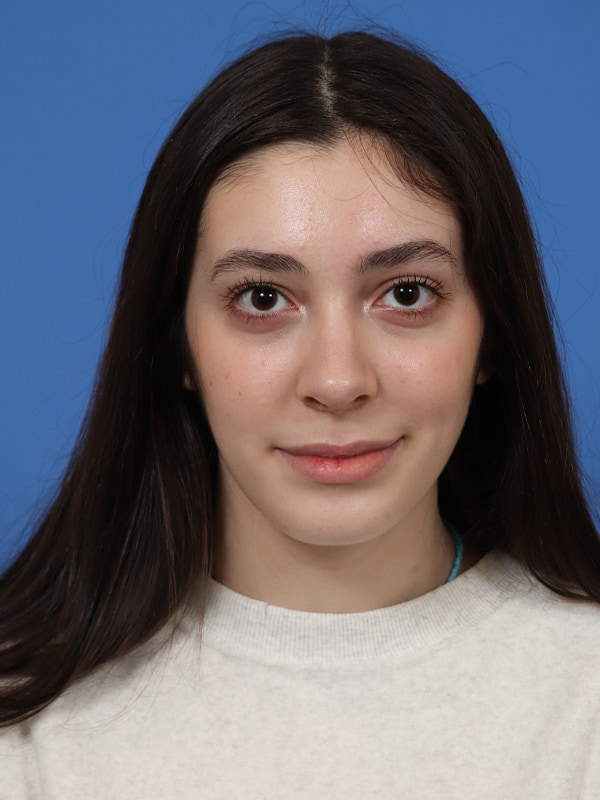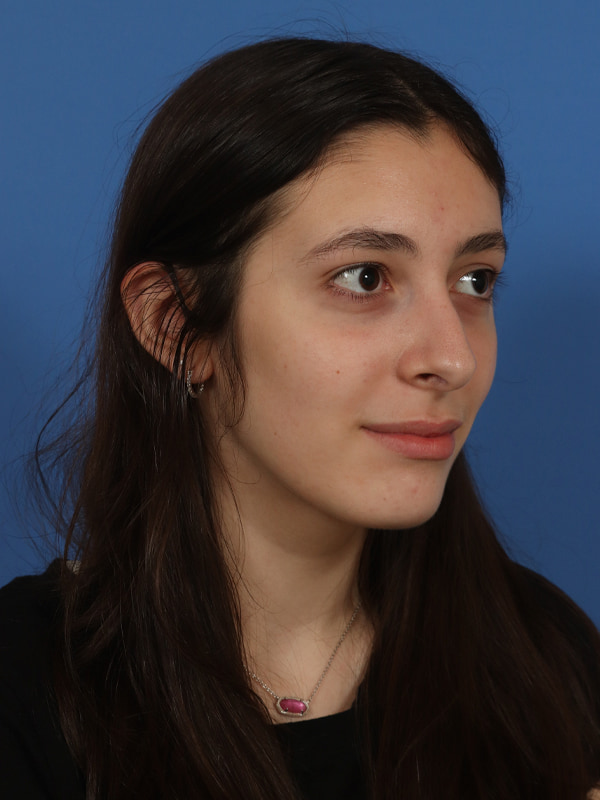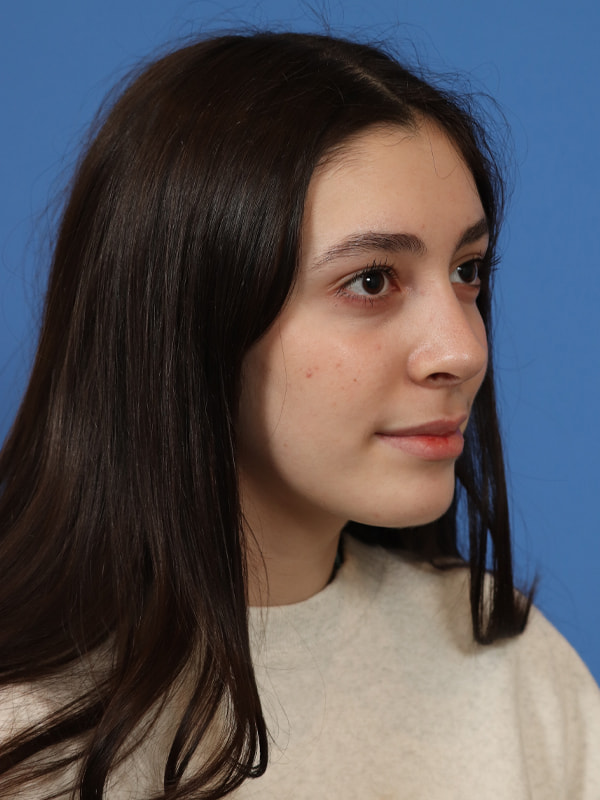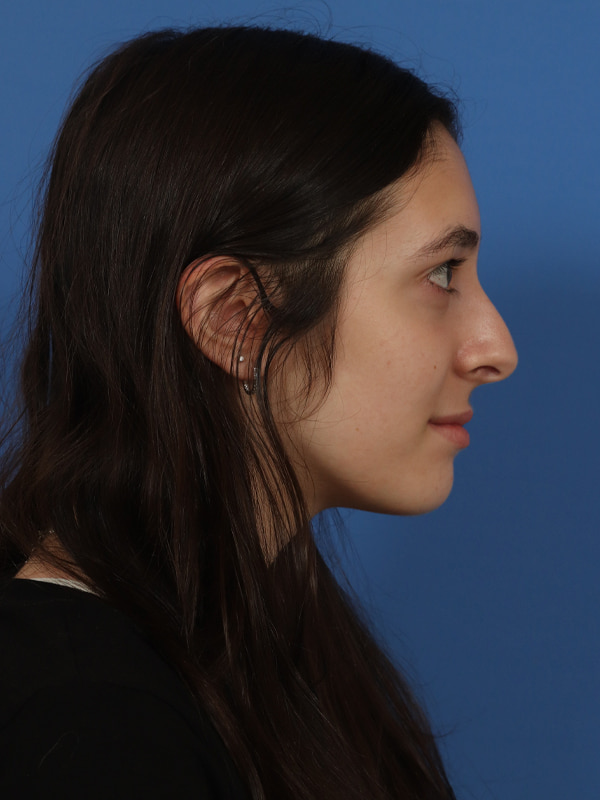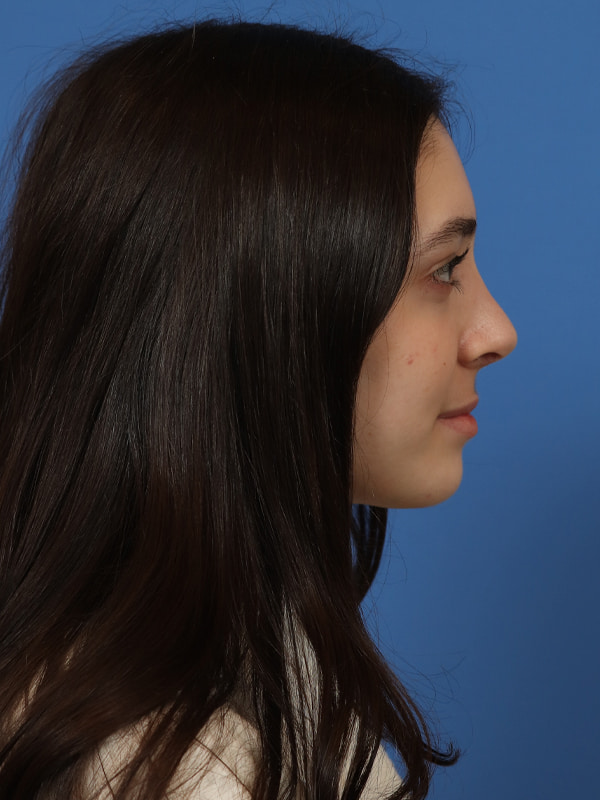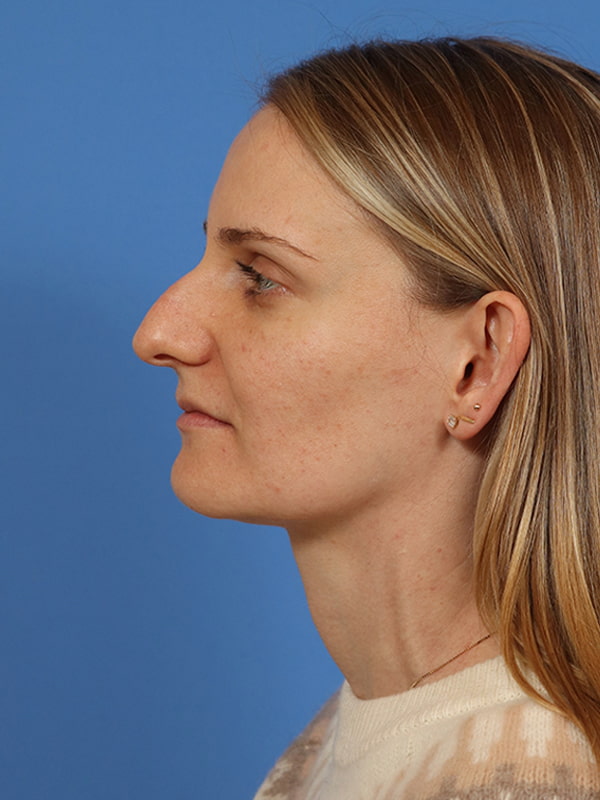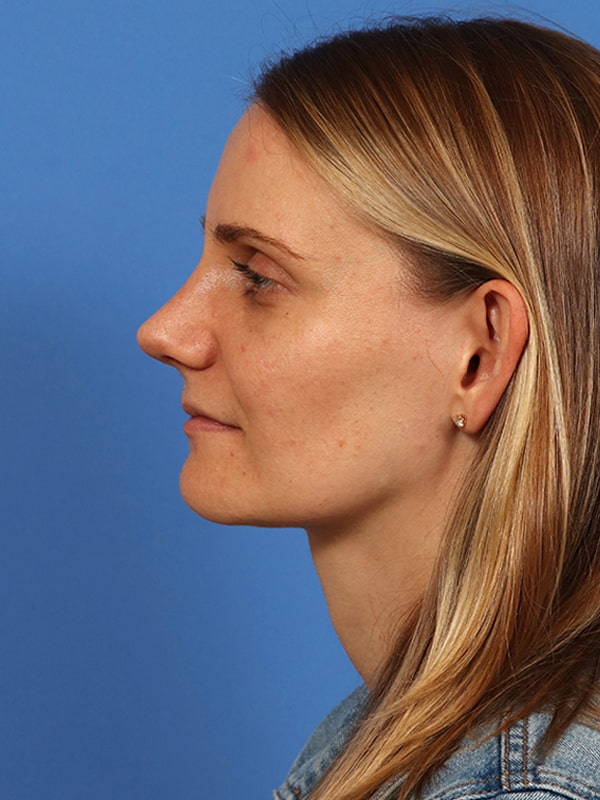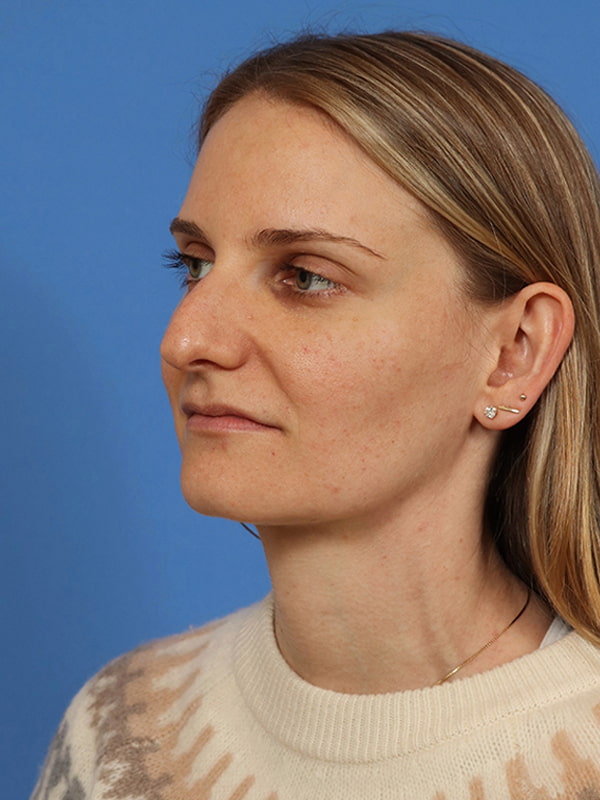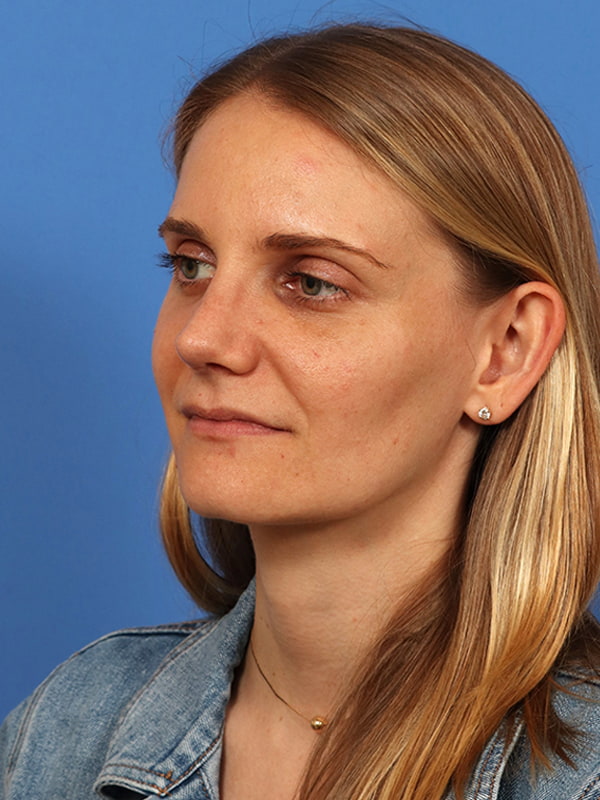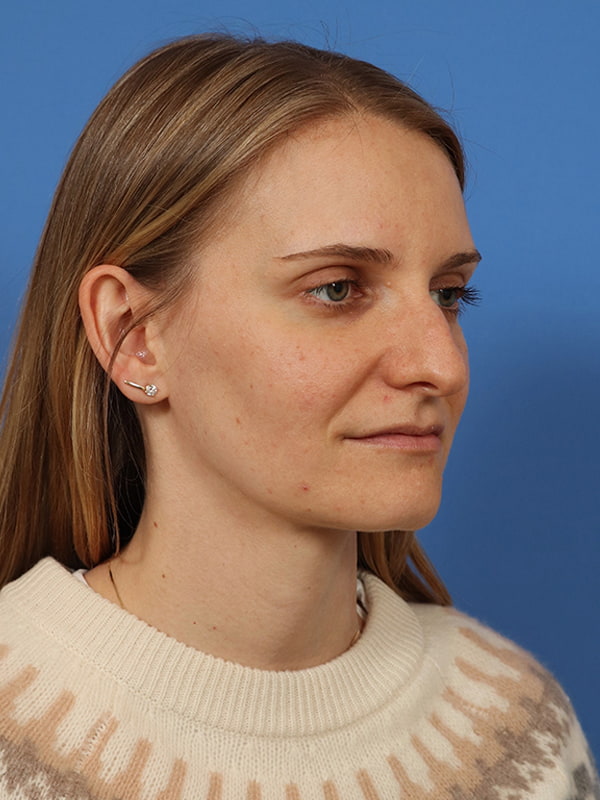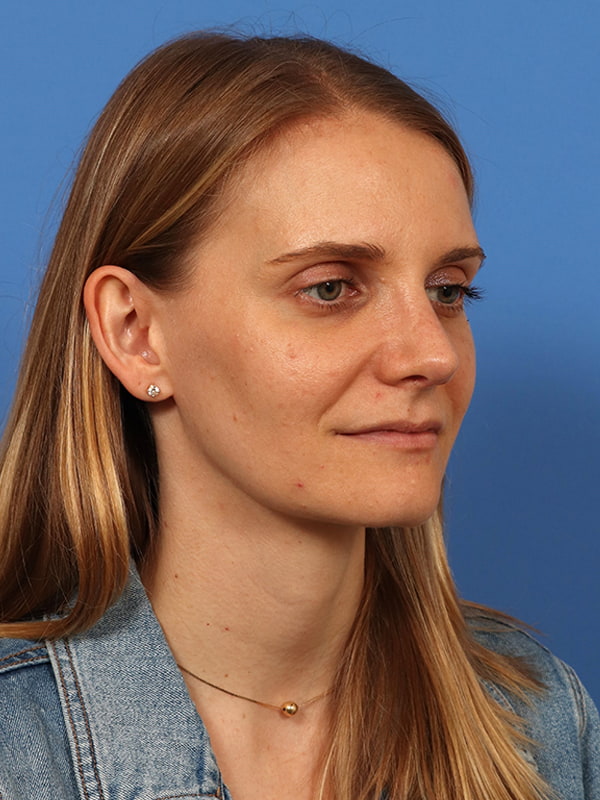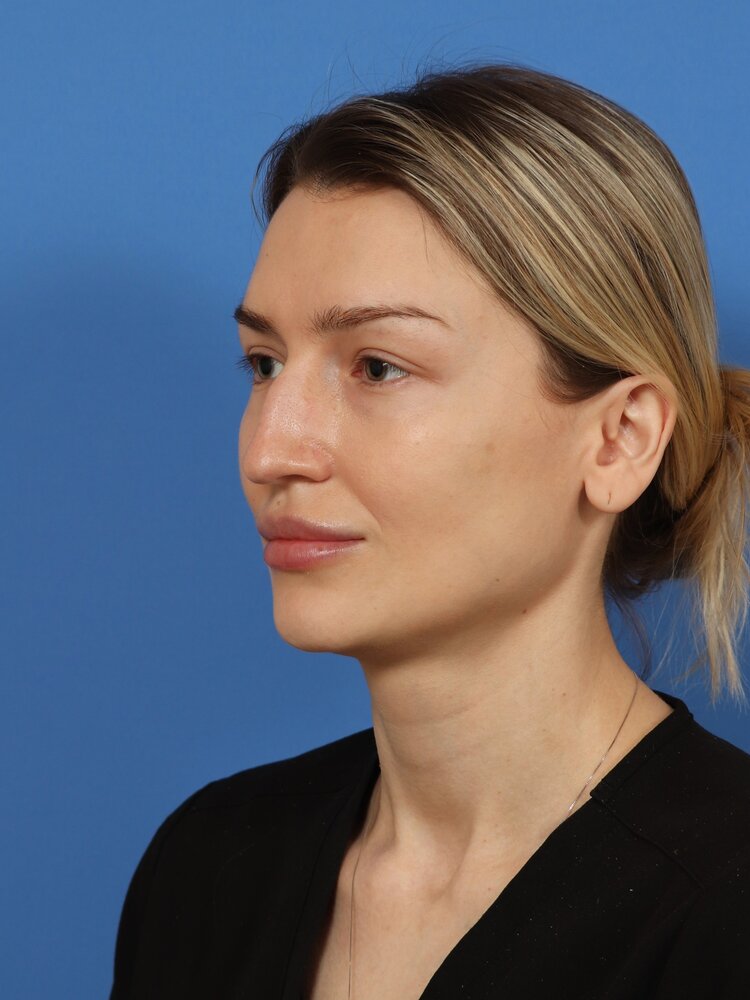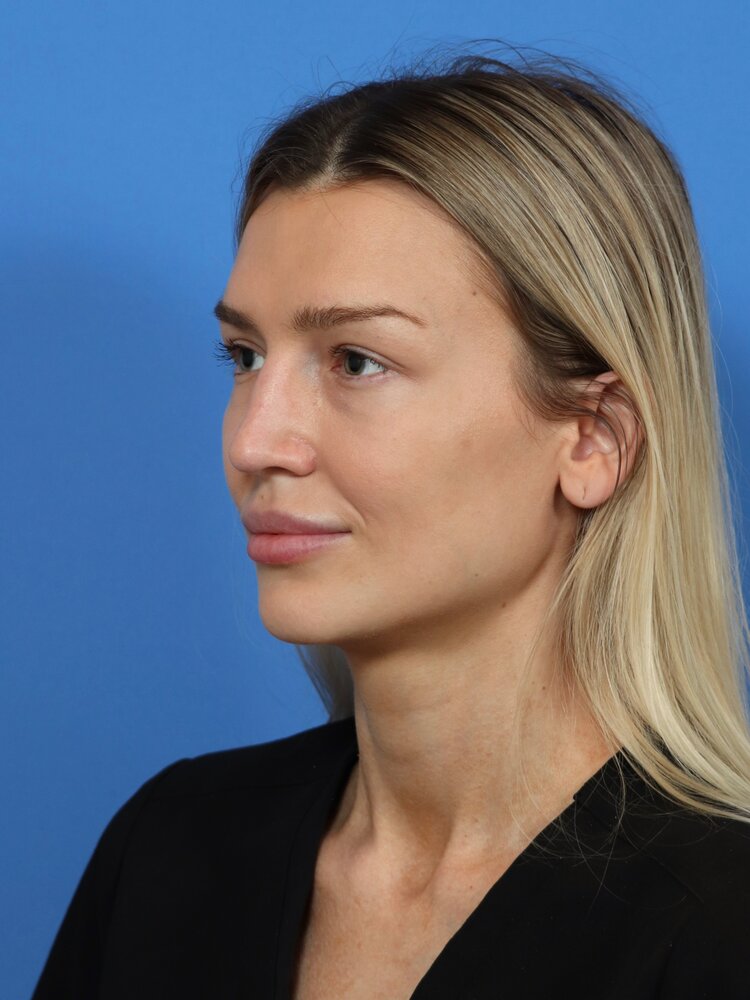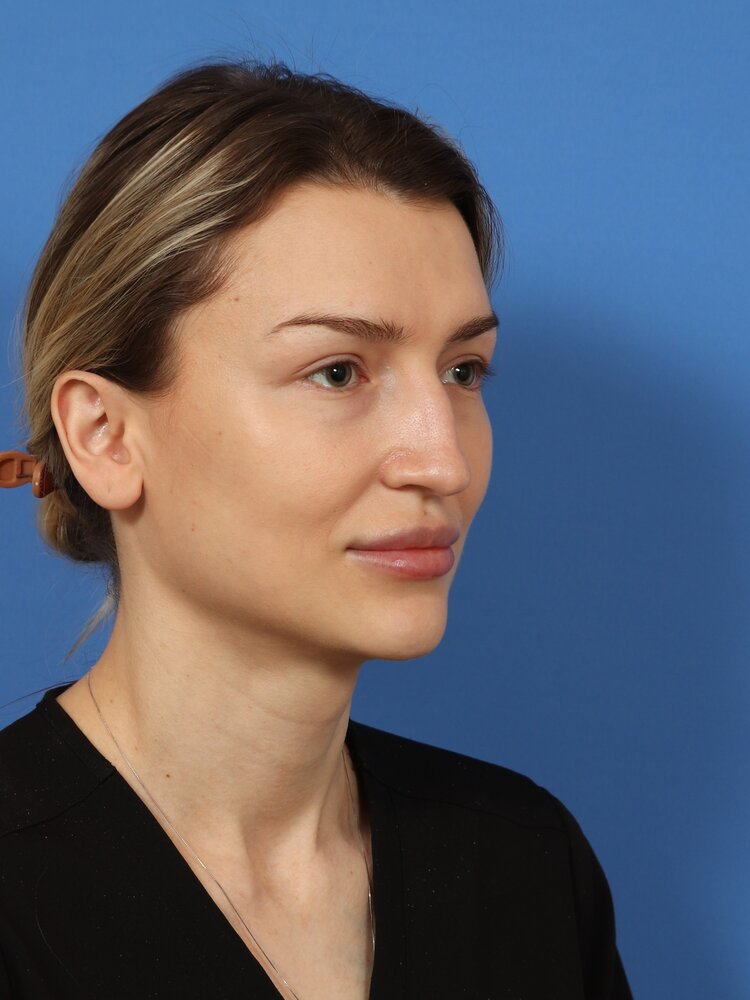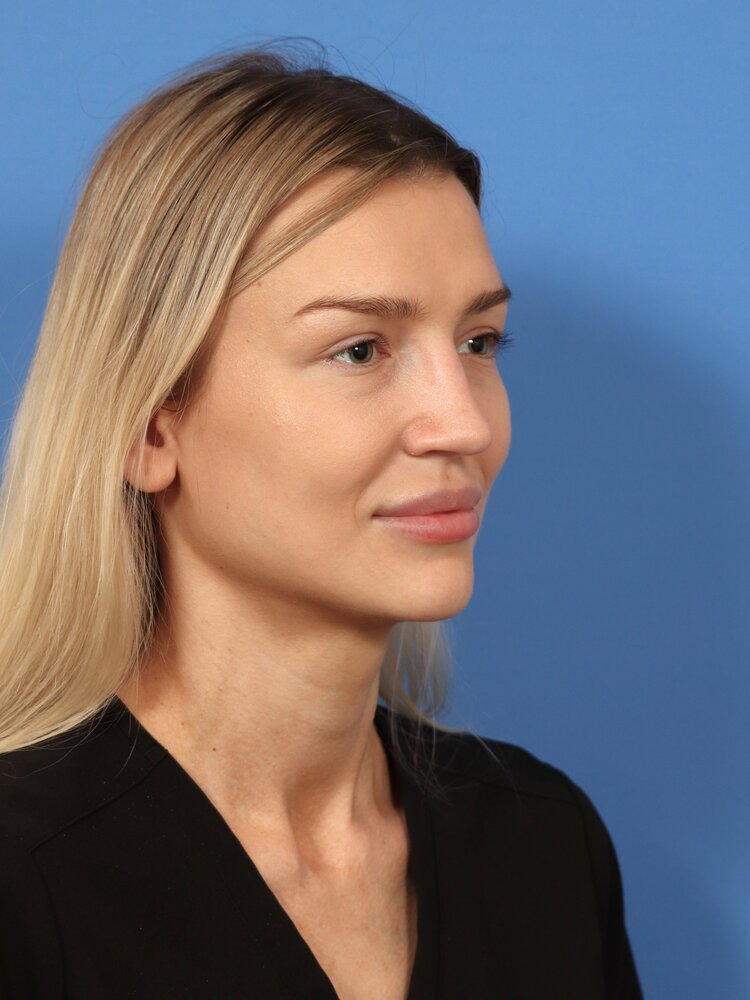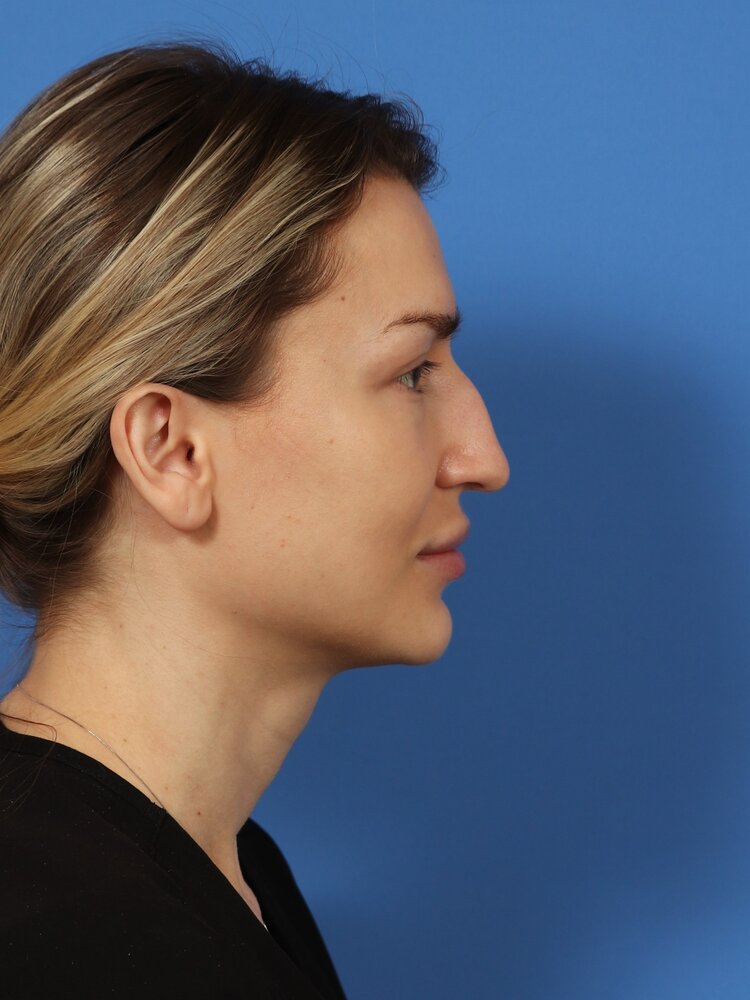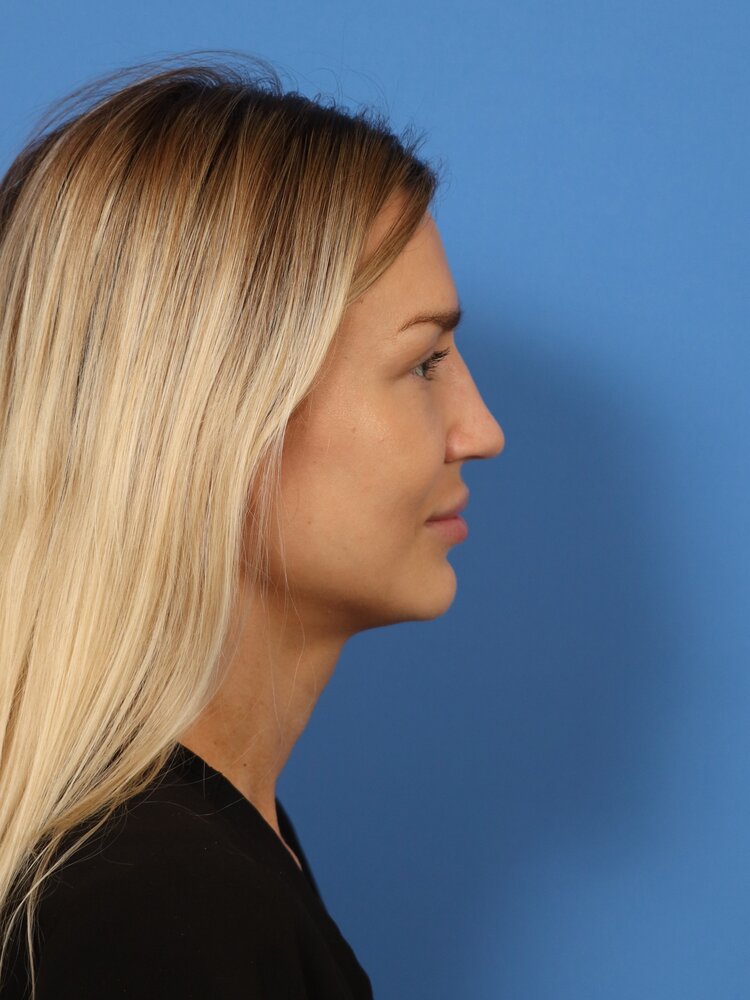
In 2020, over 350,000 Rhinoplasty were performed in the United States—making it one of the top three most frequently performed cosmetic surgeries, according to a report by the American Society of Plastic Surgeons. At RENATA Facial Cosmetic Surgery, located in the heart of New York City, Dr. Renata Khelemsky offers patients both surgical and non-surgical options for Rhinoplasty to create balanced and naturally pleasing results. As a double board-certified facial cosmetic surgeon, Dr. Renata Khelemsky specializes in aesthetic surgery for the face and neck.
 Swipe To Next
Rhinoplasty, often called a "nose job," is a transformative procedure that can significantly boost your self-esteem by enhancing the appearance of your nose. RENATA Facial Cosmetic Surgery, located in New York City, specializes in this highly requested procedure, with over 200,000 surgeries performed annually in the United States, according to the American Society of Plastic Surgeons. Whether you're looking to straighten a crooked nose, reduce a bump, refine the tip, or create a more harmonious facial appearance, rhinoplasty offers a permanent solution tailored to your needs.
In addition to cosmetic improvements, rhinoplasty can address functional issues such as a deviated septum, narrow nasal passages, or lingering concerns from prior trauma. Many patients require both external and internal adjustments, so choosing a surgeon experienced in all facets of nasal surgery is crucial. This comprehensive approach ensures that your nose's shape and function are optimized, minimizing the need for future revisions. Even if your primary goal is cosmetic enhancement, rhinoplasty can significantly improve your breathing and overall nasal function.
Rhinoplasty can change how the nose looks, how it functions, and the overall facial balance from profile and front views. Patients usually come in with specific and sometimes multiple concerns: a hump on the bridge, a tip that feels too round, nostrils that look too wide, asymmetry after injury, or obstructed as well as less-than-optimal breathing.
A well-planned rhinoplasty is not intended to create a “perfect” nose, as this concept varies from person to person and must be considered within the context of the individual’s overall facial features. Instead, rhinoplasty is designed to address the nasal features that detract from overall facial balance and beauty. The goal is to create a nose that is appropriately proportioned to the patient’s face, maintains or improves nasal function when indicated, and achieves a natural, unoperated appearance.
Common benefits of rhinoplasty include:
A raised bridge can pull attention away from the eyes, lips, and jawline. Rhinoplasty can smooth and lower a “bump” on the bridge so the profile looks more refined while avoiding an overly sloped or operated appearance.
Some patients feel their nasal tip looks round, heavy, bulbous, droopy, or poorly defined. Some patients feel it plunges down when smiling. Tip refinement is part of every rhinoplasty surgery, and it can create better shape and proportion while preserving enough structure to keep the nose supported.
A crooked or uneven nose from the frontal view can affect the entire face, especially in photos. Rhinoplasty can address visible asymmetry caused by genetics, prior trauma, or uneven cartilage and bone structure.
When the nostrils feel too wide for the rest of the face, rhinoplasty can refine the base of the nose. This can make the nose feel more proportional with the eyes and overall width of the face, without making it look pinched.
The nose sits at the center of the face, so even a small change can affect the overall profile. Rhinoplasty can help the nose complement and blend in with the surrounding features instead of competing with them.
Some patients have internal structural issues such as a deviated septum, nasal valve collapse, or obstruction that makes breathing difficult. When rhinoplasty is paired with functional airway correction, patients may experience easier nasal breathing at rest as well as during exercise.
Blocked nasal airflow can affect sleep, mouth breathing, and general comfort. Correcting internal obstruction may help some patients breathe more comfortably at night.
Injury can change the shape, alignment, and function of the nose. Rhinoplasty can help rebuild support, improve symmetry, and restore a more stable nasal framework.
Revision rhinoplasty may help patients who are unhappy with the look or function of a previous nasal surgery. This can include correcting asymmetry, breathing problems, collapsed areas, or an unnatural shape.
For many patients, the benefit of a rhinoplasty is practical and personal. They no longer fixate on one feature in photos, avoid certain angles, or feel like their nose is the first thing people see.
Surgical rhinoplasty produces long-lasting changes to the shape and structure of the nose. While the nose will continue to age along with the rest of the face, rhinoplasty often improves support of the nasal tip, helping to preserve nasal shape and tip position over time.
Septorhinoplasty combines rhinoplasty and septoplasty in a single procedure, addressing both functional and cosmetic concerns by correcting structural issues and enhancing the nose's appearance. The nasal septum is the structure within the nose that separates the right and left nasal passages. While many individuals have some degree of septal deviation, this condition does not always correlate with perceived breathing difficulties. Consequently, some may not be aware that their breathing is compromised. In contrast, many patients seeking nasal surgery experience chronic nasal obstruction, difficulty with breathing or exercising, and persistent issues that do not improve with nasal sprays or allergy medications. Additionally, some patients may seek to address intermittent breathing problems.
It is essential to choose a surgeon with expertise in both cosmetic and functional nasal surgery. Dr. Renata possesses extensive experience in functional and reconstructive surgery of the head and neck, including the management of traumatic injuries, skin cancer, and complex facial deformities. She emphasizes that optimal nasal function is crucial and should not be sacrificed for cosmetic improvements. As such, addressing functional issues like a deviated septum is integral to achieving both aesthetic and functional enhancements. Many patients find that their breathing improves significantly, even if they did not initially recognize a problem.
Dr. Renata incorporates septoplasty into every rhinoplasty procedure, offering a comprehensive approach to nasal enhancement. This combined procedure, known as "septorhinoplasty," provides several benefits:
If you're self-conscious about the appearance of your nose or feel it doesn't harmonize with your facial features, rhinoplasty might be the right choice for you. Ideal candidates are in good overall health and have realistic expectations about the surgical outcomes. It's important that the nasal bones are fully matured, typically around age 16 for females and 17 for males, before considering cosmetic changes to the nose. Dr. Renata specializes in teenage rhinoplasty, offering a safe and effective option for young patients looking to improve their self-esteem and confidence by addressing concerns about their nose's appearance. With the support of family and the medical team, teenage rhinoplasty is a viable choice for those in their teens who have completed their bony growth.
For patients dealing with functional issues due to traumatic injuries, nasal surgery might still be an option. During your initial consultation, Brooklyn rhinoplasty surgeon Dr. Renata will listen to your concerns, conduct a thorough examination of your nose, and discuss the best approach to meet your goals. Your medical and surgical history will be reviewed, and if needed, an X-ray will be performed to ensure you're an optimal candidate for rhinoplasty.
Our Brooklyn practice treats a highly diverse patient demographic. Ethnic rhinoplasty requires specialized surgical precision to refine the nasal architecture without erasing the patient's cultural identity. According to the American Society of Plastic Surgeons, ethnic minorities account for approximately 32 percent of all cosmetic procedures. Hispanic individuals undergo roughly 11 percent of rhinoplasty surgeries in the United States, while Asian individuals account for about 8 percent. Dr. Renata customizes her surgical approach for African American, Asian, Hispanic, and Middle Eastern anatomies. She utilizes advanced cartilage grafting techniques to elevate the nasal bridge, refine the nasal tip, and provide necessary structural support while maintaining authentic, natural facial proportions.
Liquid Rhinoplasty is a non-surgical treatment that uses dermal fillers to add volume and to contour certain areas of the nose, creating an improvement in the overall shape and proportion. The most common Liquid Rhinoplasty treatment is to diminish the appearance of a nasal bump along the bridge. By adding filler above and below the bump, as well as to the nasal tip, the overall shape of the nose is smoothed and refined. Ideal patients for Liquid Rhinoplasty may not be ready for invasive surgery, or their aesthetic concerns can be addressed with a more simple dermal filler option.
Liquid Rhinoplasty treatment typically takes about 15 to 30 minutes and may require 1 to 2 sessions to achieve the overall goal. Results can be expected to last from 1 to 2 years, and will require repeat treatment for maintenance. Traditional Rhinoplasty is an outpatient surgical procedure that takes about two to four hours, depending on the extent of surgery for each patient. While early recovery takes several weeks, the results are permanent and offer a long-lasting solution to reshaping your nose, improving underlying issues in breathing, and restoring balance and harmony of the face.
Rhinoplasty surgery is a safe outpatient surgical procedure designed to address both functional and aesthetic concerns. Dr. Renata performs rhinoplasty in a fully accredited surgical facility in Manhattan, New York City, along with general anesthesia to ensure your safety and comfort. You'll need a friend or family member to drive you home and help you recover.
Dr. Renata often performs open rhinoplasty, which involves a small incision along the columella (the skin between the nostrils) and additional incisions inside the nose. This approach allows for precise reshaping of the nasal cartilage and bones. Stitches are placed along the incisions, and a soft dressing with antimicrobial ointment is used to aid healing. Nasal packing is rarely needed, making the recovery process smoother and more comfortable for you.
You can expect to be "restaurant-ready" within one to two weeks after your rhinoplasty. Immediately after Rhinoplasty New York City Facial Cosmetic Surgeon, Dr. Renata, will place a nasal cast over your nose to help it heal and retain its new shape. In most cases, a soft nasal dressing with antimicrobial ointment is also applied inside the nose. The cast is typically removed a week after surgery, and you'll receive detailed post-operative instructions, such as sleeping with your head elevated to reduce swelling. Delicate taping may be applied to the nose to aid in contour refinement and compression, helping to expedite healing. Some drainage and bleeding in the first few days is normal and can be managed with gauze.
While most patients can return to their daily activities in about a week, it's important to avoid certain activities like swimming, blowing your nose, wearing glasses on your nose, pulling clothes over your head, contact sports, and sleeping on your face for approximately six weeks to ensure optimal healing. Following Dr. Renata's post-operative care instructions and attending all follow-up visits are crucial for the best results.
Understanding the expected recovery timetable helps patients plan their schedules effectively:
Swelling, bruising, and mild discomfort are typically at their peak during the first few days after surgery. Patients are advised to rest with the head elevated and avoid strenuous activity. The external nasal cast remains in place throughout this period.
The external nasal cast and any sutures are removed during the first postoperative visit. By this point, a significant amount of swelling has improved, although mild bruising and nasal congestion may persist. Breathing often begins to improve following this visit. The nose is typically retaped to help control swelling and guide at-home taping techniques. Most patients feel ready to return to non-strenuous desk work.
Swelling continues to gradually decrease along the nose and around the eyes, and bruising generally resolves completely. Light cardiovascular exercise may be resumed. Any direct pressure or contact to the nose should still be avoided, including glasses resting on the nasal bridge and contact sports. Saline nasal rinses remain an important part of postoperative care to keep the nasal passages clean and comfortable. Breathing is often significantly improved and may begin to feel close to normal.
The nasal bones have largely stabilized, allowing patients to resume wearing glasses and return to unrestricted physical activity. Breathing continues to improve, particularly during more strenuous exercise. The nasal tip appears increasingly refined as residual swelling continues to resolve.
Subtle improvement in swelling continues, especially along the nasal tip. External incisions typically fade significantly and become increasingly difficult to detect. Nasal massage is often discontinued, and results become more defined and natural in appearance.
Minor refinements continue as the final residual swelling resolves, most notably in the nasal tip. Subtle changes in definition and contour may still occur as the nose continues to settle. Results become increasingly stable and predictable, with the final surgical outcome typically evident by the end of the first year.
The results of a rhinoplasty are immediately noticeable once the nasal cast and bandages are removed, though you will have some visible swelling for one to two weeks, which improves significantly over the next four to six weeks. It can take up to a year for the final results to fully emerge. Most patients feel comfortable returning to social activities in about one to two weeks when swelling and bruising are minimal and not easily noticed by others. By two to three months, your nose's new shape and size become more apparent, and within six months, most of the swelling has resolved. The tip of the nose, with its thicker skin, takes the longest to heal and may take up to two years for complete recovery. While the results of rhinoplasty are permanent, your nose will undergo very subtle changes as you continue to age.
Tracking your final results involves a distinct biological timeline:
Approximately 85 percent of the acute swelling resolves. The new structural profile becomes clearly visible.
The soft tissue envelope contracts around the new osteocartilaginous framework. Subtle details along the nasal bridge emerge.
The final 10 percent of swelling dissipates. This prolonged maturation process primarily occurs in the nasal tip, revealing the permanent, refined anatomy.
We offer surgeon-based care focused on highlighting your unique beauty. Possessing a keen eye, gentle touch, and deft technical skill, Dr. Renata stays at the forefront of aesthetic medicine to bring you the highest level of care available, tailoring every service to your unique needs.
Our state-of-the-art facial aesthetic clinic is located in DUMBO, Brooklyn, in New York City. We cater to the local areas, including Downtown Brooklyn, Brooklyn Heights, Park Slope, Williamsburg, Long Island City, and Cobble Hill, as well as Manhattan and New York City at large. Patients can expect a premium experience in our luxury office setting, where attention to privacy and one-on-one care create a professionally tranquil and high-quality visit.
A double-board-certified facial cosmetic and reconstructive surgeon, Dr. Renata Khelemsky specializes in enhancing natural beauty. A Fellow of the American Academy of Cosmetic Surgery and diplomate of the American Board of Facial Cosmetic Surgery, her personalized approach begins with a comprehensive analysis of your facial features, ensuring each transformation celebrates your unique individuality.
Learn More About Dr. Renata
Call (646) 558-3757 or complete our online form to schedule your consultation for Rhinoplasty. Our tailored approach to Rhinoplasty procedures and expert-level care set us apart from other providers, ensuring a top-notch experience that unveils your natural beauty. Schedule your personalized consultation with New York Facial Cosmetic Surgeon, Dr. Renata Khelemsky, today.
During a rhinoplasty Brooklyn and NYC patients will be asleep while under general anesthesia used during surgery. Additionally, local anesthesia is also used and allows patients to have a smooth transition to their recovery after they are awake. As you recover, you will feel congested and are only able to breathe through your mouth, which can cause dry mouth and fatigue. However, once the nasal cast and dressings are removed, patients begin to breathe more freely and recover more comfortably. Intermittent congestion is to be expected and is comfortably managed with salt water nasal sprays. You may receive prescribed medications, but most postoperative discomfort can be alleviated with over-the-counter products.
Rhinoplasty is a very safe and effective surgical procedure; however, some risks may include infection, prolonged bleeding or swelling, scarring, or an unsatisfactory cosmetic result. Dr. Renata will discuss all the possible risks of nasal surgery with you during your personalized consultation.
Most patients after the age of 16 years do well recovering from cosmetic nasal surgery. However, patients under the age of 16 are advised to wait until their nose and facial features are finished growing before seeking cosmetic surgery. In certain cases, surgery may be a suitable option to correct functional concerns or traumatic injuries. In each situation, Dr. Renata will carefully consider a patient’s age before moving forward with the procedure.
During your consultation, Dr. Renata will create a customized treatment plan to meet your aesthetic and functional needs. Based on your surgical plan, Dr. Renata and her team will discuss the costs for your rhinoplasty procedure and answer any questions you may have. While every Rhinoplasty is unique, Dr. Renata takes a strong personal philosophy that no nasal surgery should separate the cosmetic and functional aspects of the nose. For patients with underlying breathing issues, Dr. Renata will simultaneously address any anatomy that may be impairing your breathing in addition to your cosmetic goals. Thus, we assure every patient that nasal function will not be compromised during cosmetic surgery, and on the contrary, most patients will experience noticeably improved breathing along with their newly refined nasal shape and appearance.
Our practice does not participate with any insurance plans or programs including Medicaid or Medicare. However, financing and payment options may be available through CareCredit.
On the day of your rhinoplasty, you will be greeted by our friendly team and prepared for the procedure with anesthesia. During surgery, precise incisions are made to access and reshape the bone and cartilage to achieve your desired outcome. A nasal splint will be applied to support the healing process. After the surgery, you will return home the same day, likely feeling drowsy from the anesthesia. You may have a light dinner that evening. Post-operative care involves resting, staying semi-upright to reduce swelling, taking prescribed medications, and following detailed aftercare instructions. Follow-up appointments are arranged to monitor your recovery, with initial visits the day after surgery for instruction on cleaning incisions and one week later to remove the nasal splint and reveal your results.
Swelling from rhinoplasty gradually subsides over several months, with noticeable improvement seen within a few weeks. However, it can take up to a year for all the swelling to resolve and for you to see the final, refined results. Patients with thicker skin types may take longer to see the final refinements of their nasal shape, particularly along the nasal tip. Patience is key as the nose continues to settle and adjust over time.
If you are dissatisfied with your rhinoplasty results, revision rhinoplasty may be an option to address your concerns and make adjustments. During your follow-up appointment, you can discuss any issues and revisit your surgical goals with your surgeon. It’s essential to wait until your nose has fully healed, which typically takes about a year, before considering revision procedures. It’s also normal to undergo an emotional adjustment to your new appearance. A skilled and compassionate surgeon will be honest about the potential for further refinements. While both patients and surgeons hope to avoid revisions, a small percentage may require them due to the unpredictable nature of healing, scarring, imperfections, or rarely, complications. Discussing your concerns with your surgeon will help determine the best course of action.
Selecting a qualified Rhinoplasty surgeon involves looking for board certification and extensive experience in facial plastic surgery. Reviewing before-and-after photos, reading patient testimonials, and having a detailed consultation can help ensure you choose a surgeon who understands your goals and can deliver the desired results. Trust and communication with your surgeon are crucial for a successful outcome.
Yes. A deviated septum can be addressed at the same time as cosmetic rhinoplasty in a combined procedure known as septorhinoplasty. This approach improves internal nasal airflow while also improving the external nasal structure.
Achieving both functional and aesthetic goals requires careful surgical planning and experience in nasal reconstruction. Choosing a surgeon with advanced training in reconstructive and functional nasal surgery is essential to properly correct internal structural issues while also enhancing outer nasal appearance.
Closed rhinoplasty is performed entirely through incisions placed inside the nostrils, with no external incision on the columella, the strip of skin between the nostrils. In open rhinoplasty, a small incision is made across the columella, allowing the nasal skin to be gently lifted for improved visualization of the underlying structures.
Dr. Renata frequently uses the open approach because it provides direct, unobstructed access to the nasal framework. This allows for more precise reshaping of cartilage, bone, and soft tissue, as well as more accurate placement of structural grafts when needed. When healed, the columellar incision is typically faint and often imperceptible. In rare cases, it can be further improved with laser treatment. The open approach offers enhanced visibility and control compared to the more limited exposure of closed techniques, particularly in complex or reconstructive cases.
Yes. Rhinoplasty is commonly performed in combination with other facial procedures as part of a broader approach to facial beautification. The goal is to refine multiple features in a coordinated way so that the nose, chin, eyes, and neck are brought into better proportion with one another, increasing the overall attractiveness and aesthetic refinement of the face.
Eyelid surgery and neck lift procedures are also frequently performed in combination with rhinoplasty when appropriate. Performing procedures together allows for a more comprehensive approach to facial beautification, addressing multiple areas in a coordinated surgical plan while maintaining natural-looking results.
Ethnic rhinoplasty refers to customized surgical techniques tailored to patients of diverse ethnic backgrounds. The goal is to achieve refined structural changes while respecting and preserving the patient’s natural facial characteristics.
This approach often involves carefully planned modifications such as dorsal augmentation or alar base narrowing, using advanced cartilage grafting and structural techniques. The emphasis is on achieving balanced, natural-looking results that enhance nasal aesthetics while maintaining the individual features that define the patient’s appearance.
At RENATA Facial Cosmetic Surgery, we prioritize privacy. While many Before & After photos are featured on our website and social media channels, we understand not everyone wishes to share them publicly. To respect our patients’ unique preferences, we invite you to explore a more comprehensive Before & After gallery during your consultation in our office.
Life can be demanding, and we understand. For patients who may be traveling, preparing for a last-minute occasion, or simply looking for a more exclusive experience without any inconvenience or delays, we are pleased to offer preferred patient scheduling. Patients may undergo a personal consultation as well as tailored cosmetic treatments during evening hours or weekends. Appointments are required and premium rates apply. Please call our office to inquire about preferred patient scheduling and allow us to create an exceptional experience just for you.
Contact UsAt RENATA Facial Cosmetic Surgery, patients receive excellent customer service, communication, personal attention, and scheduling flexibility. Located in the historical and breathtaking waterfront neighborhood of DUMBO, Brooklyn in New York City, our office serves local neighborhoods including Brooklyn Heights, Park Slope, Williamsburg, and Cobble Hill, as well as Manhattan and New York City at large.
Our office location is:
58 Prospect Street, Brooklyn, NY 11201
Monday - Friday: 8:30AM to 4:30PM Saturday (by appointment only): 9:30 to 2:30PM