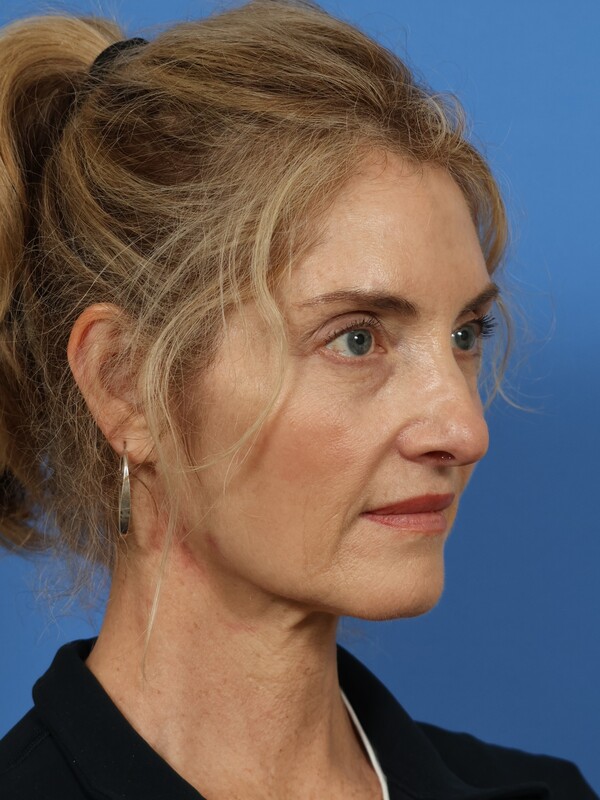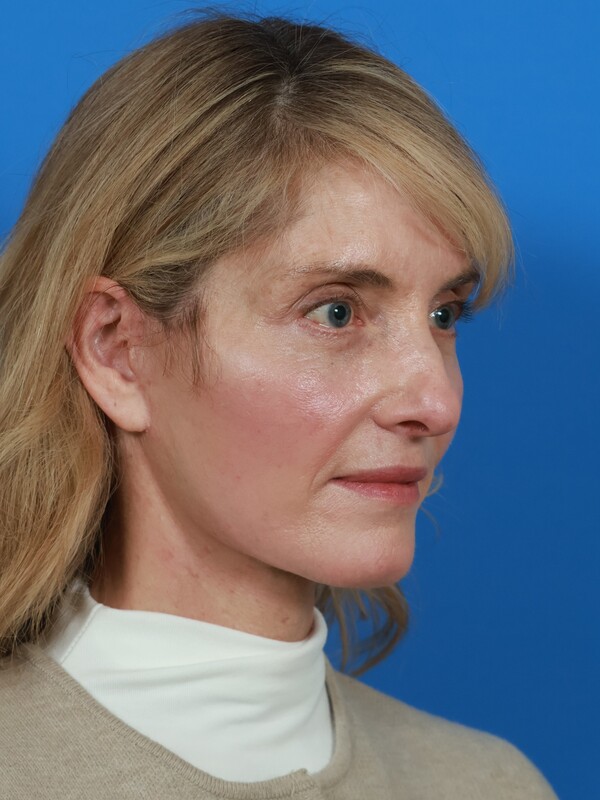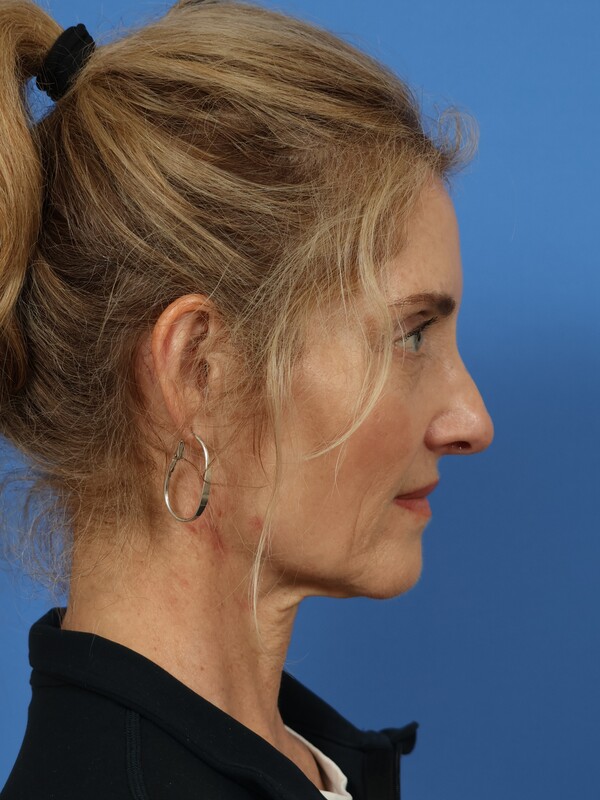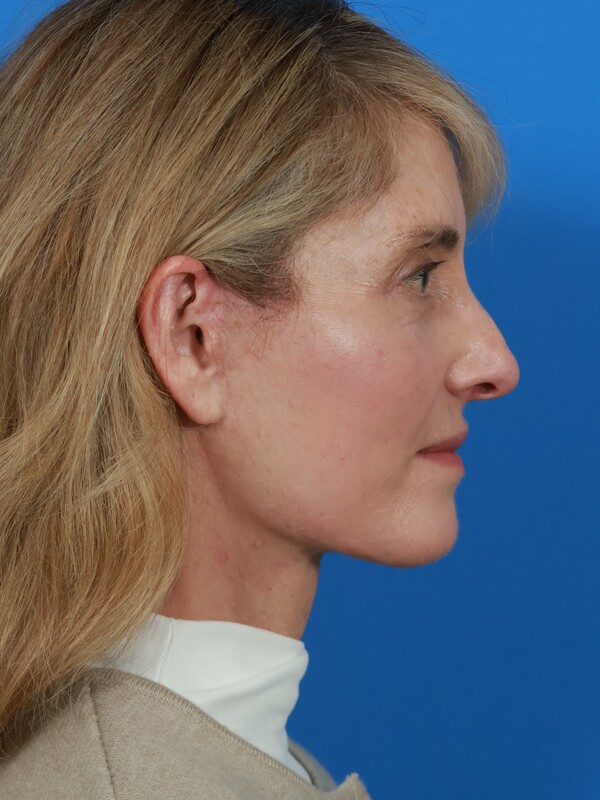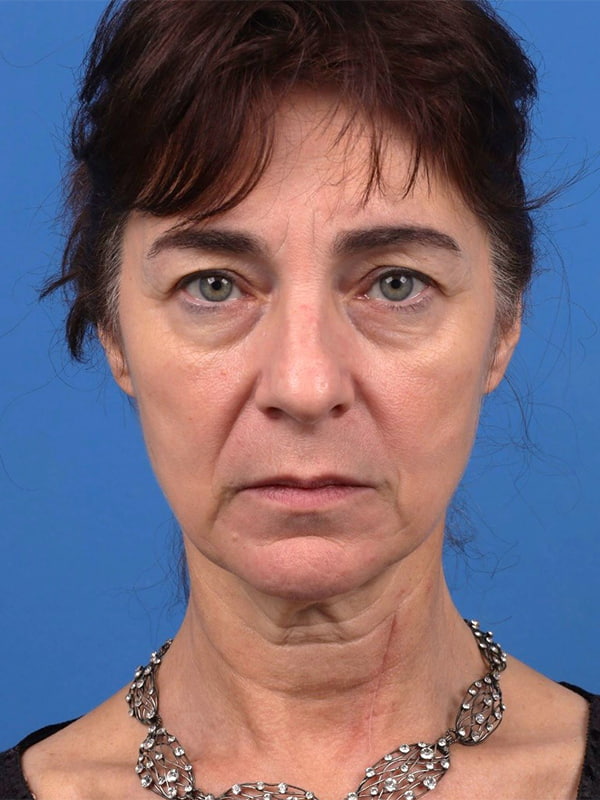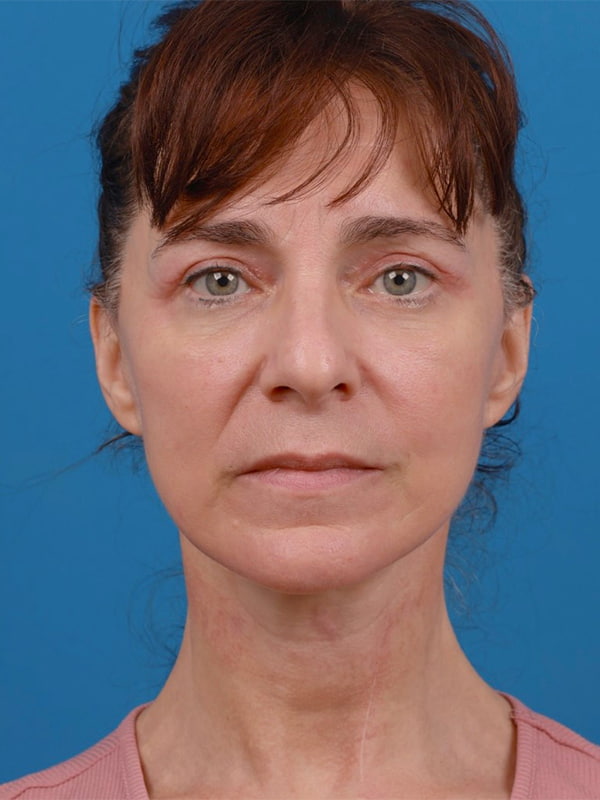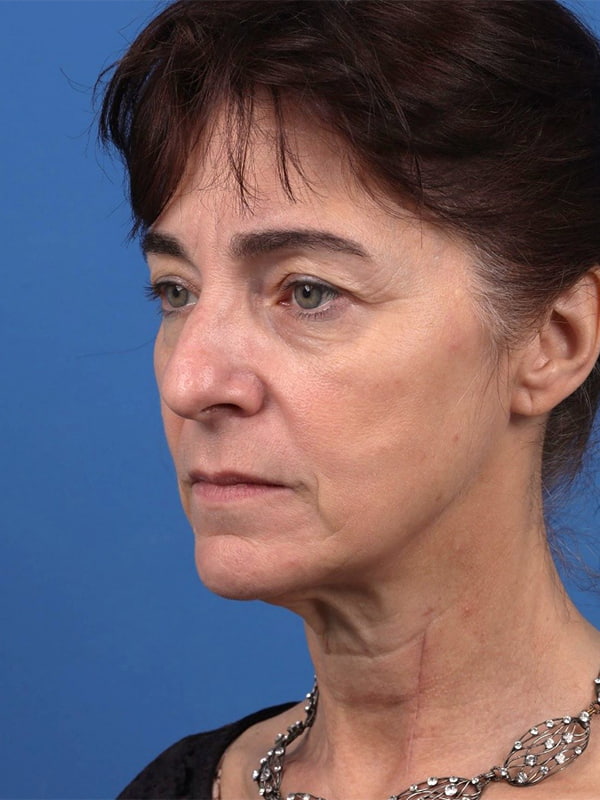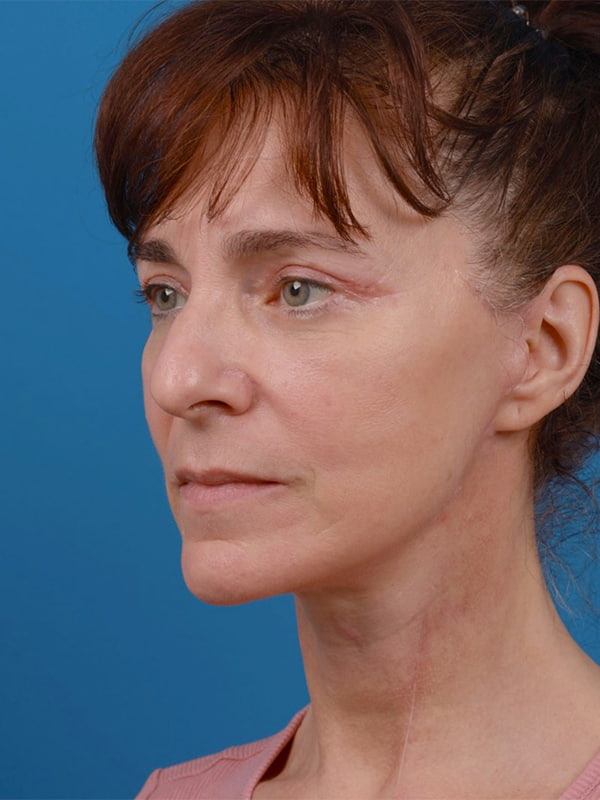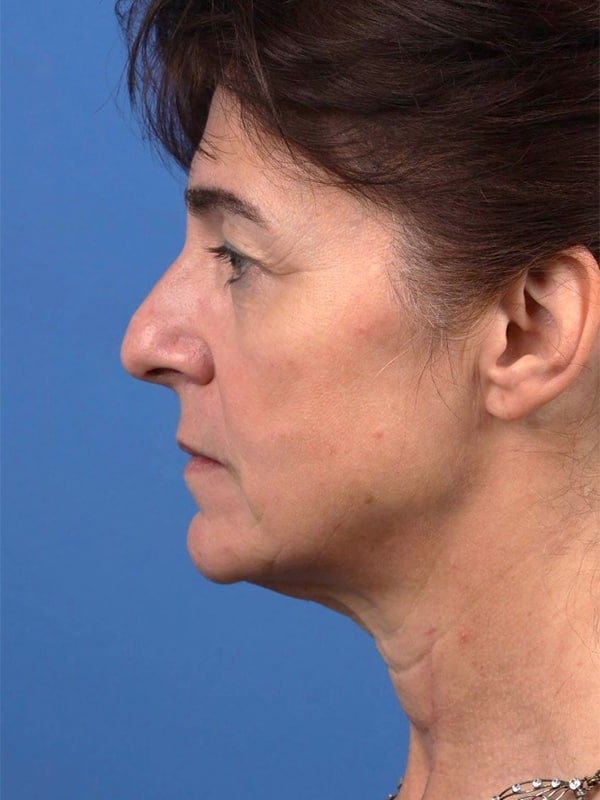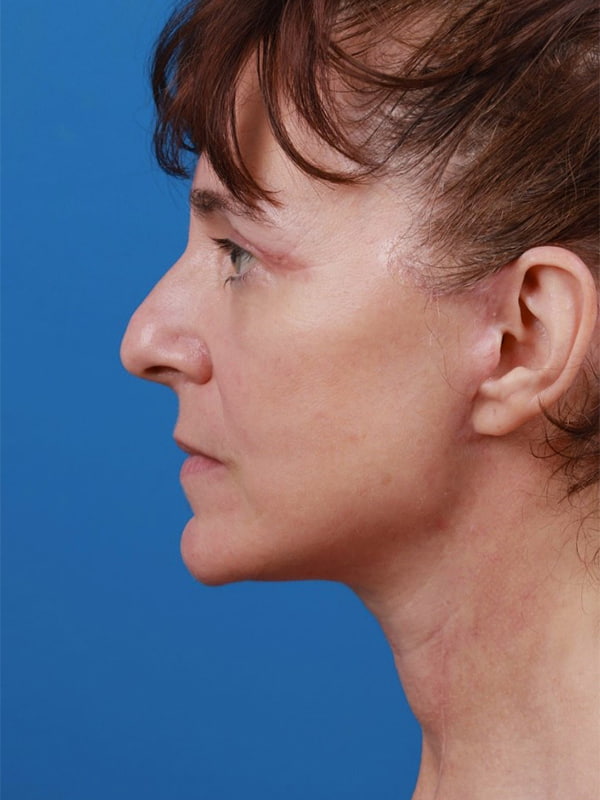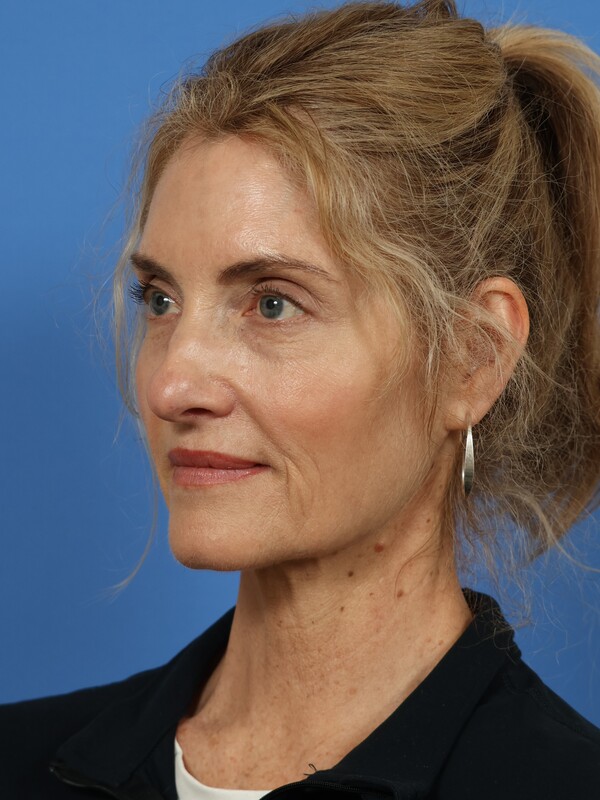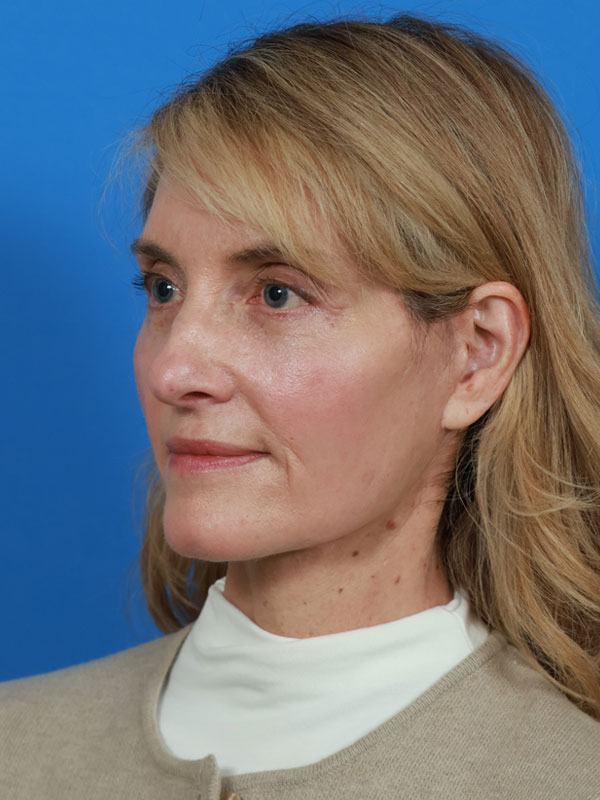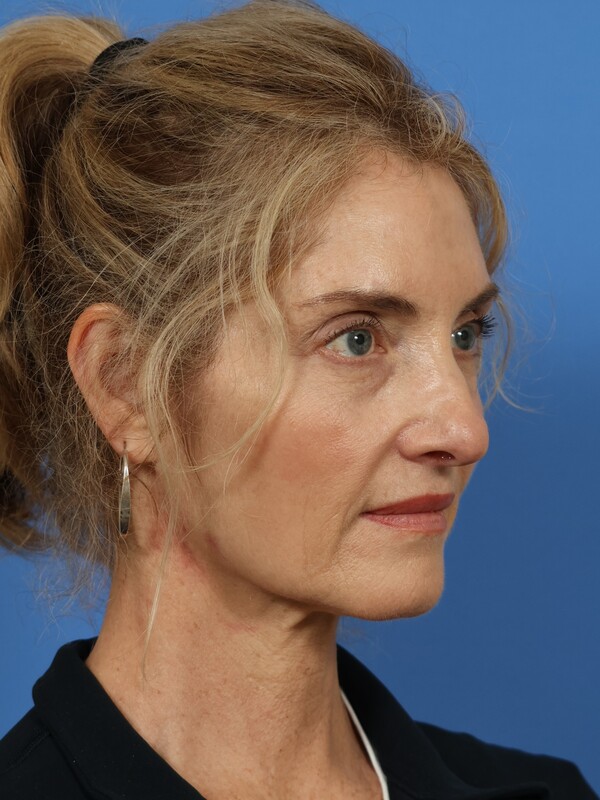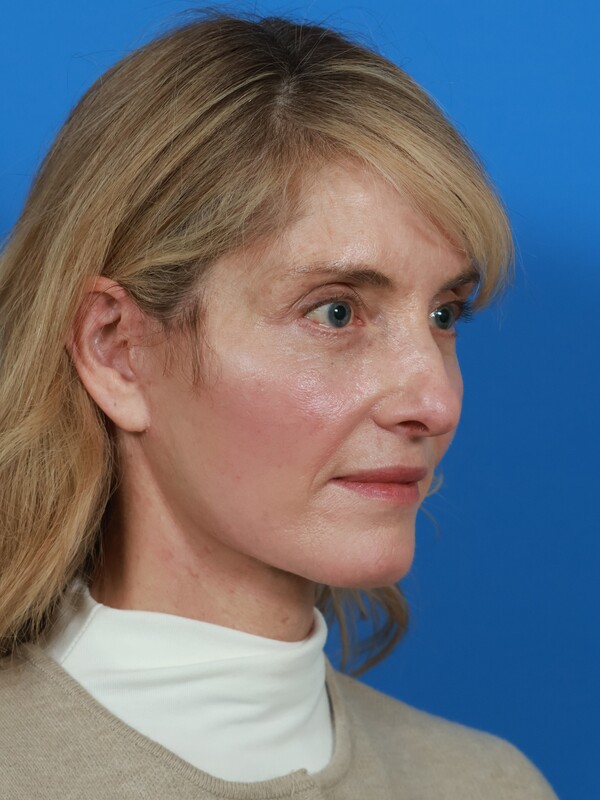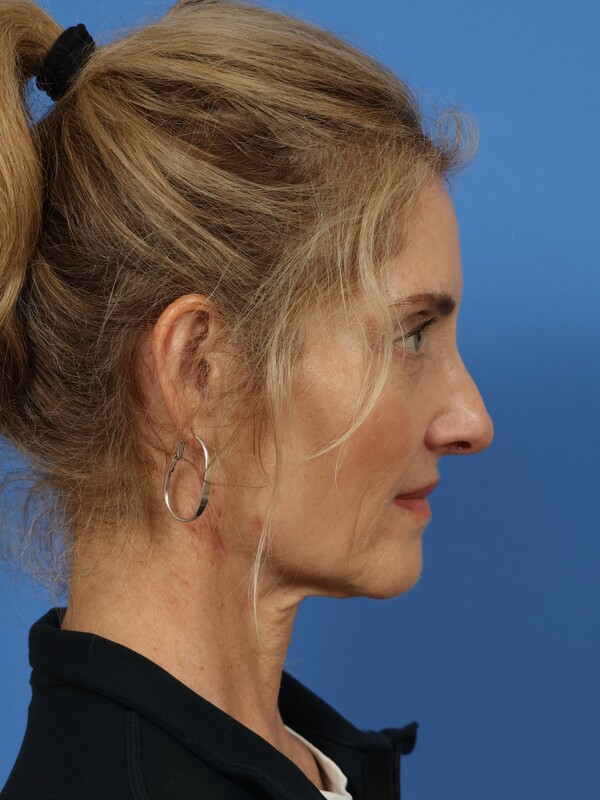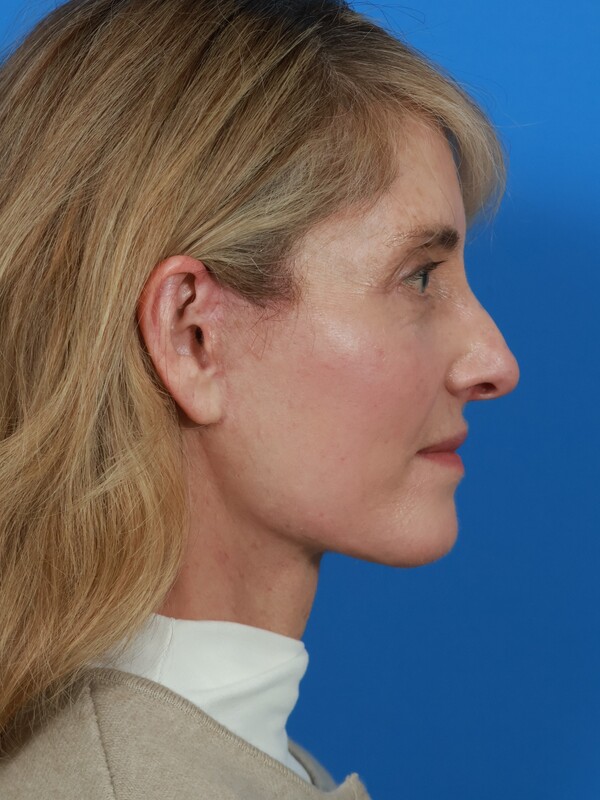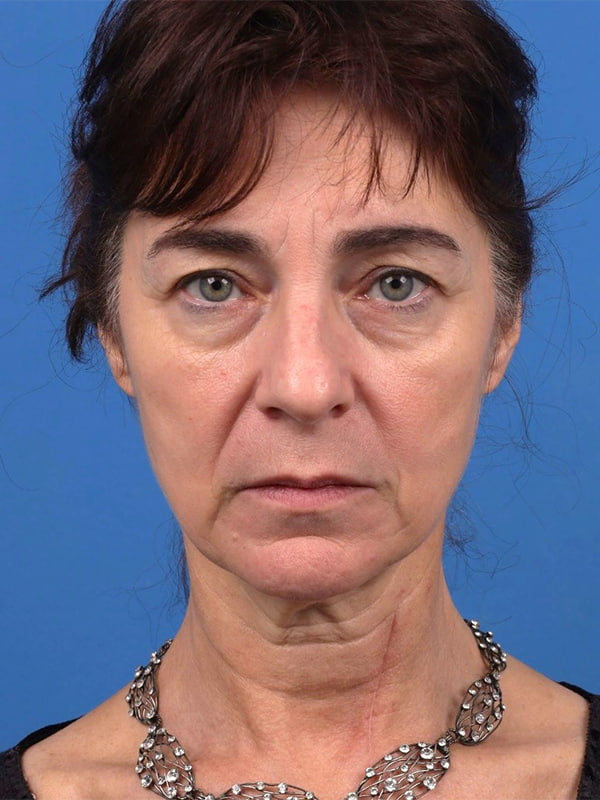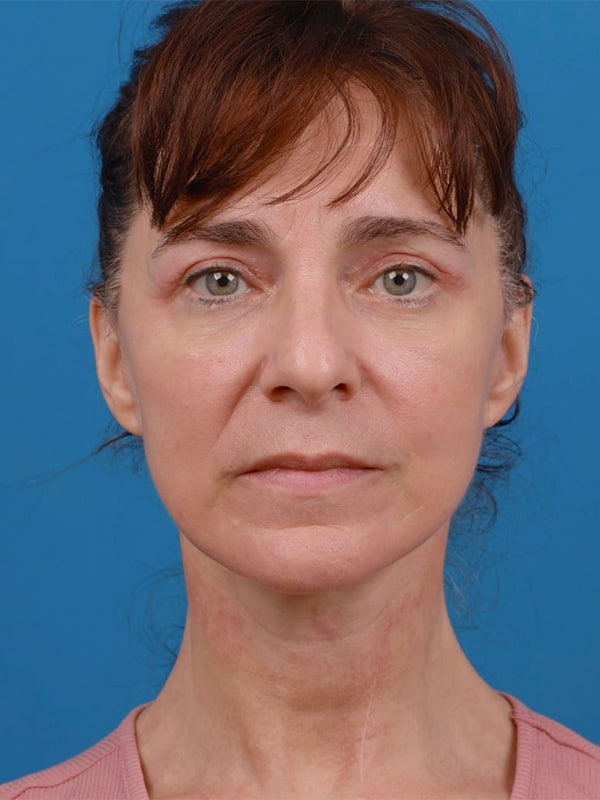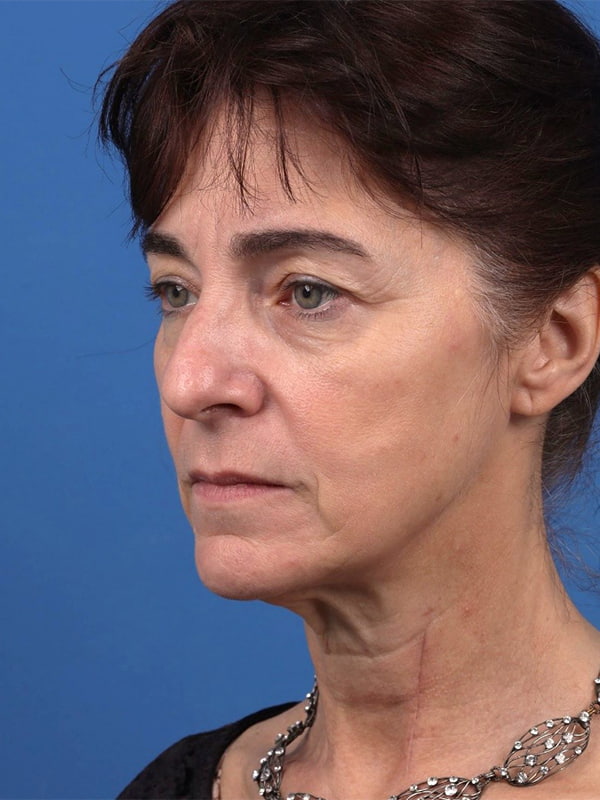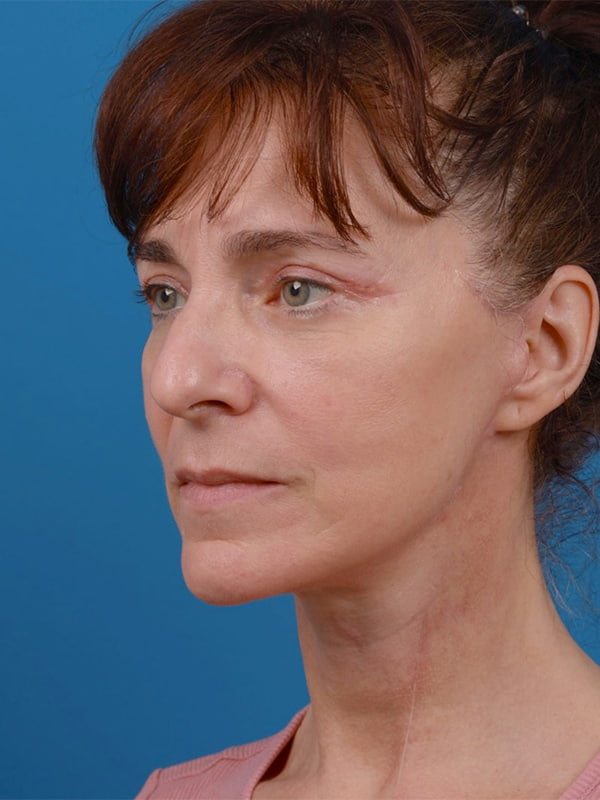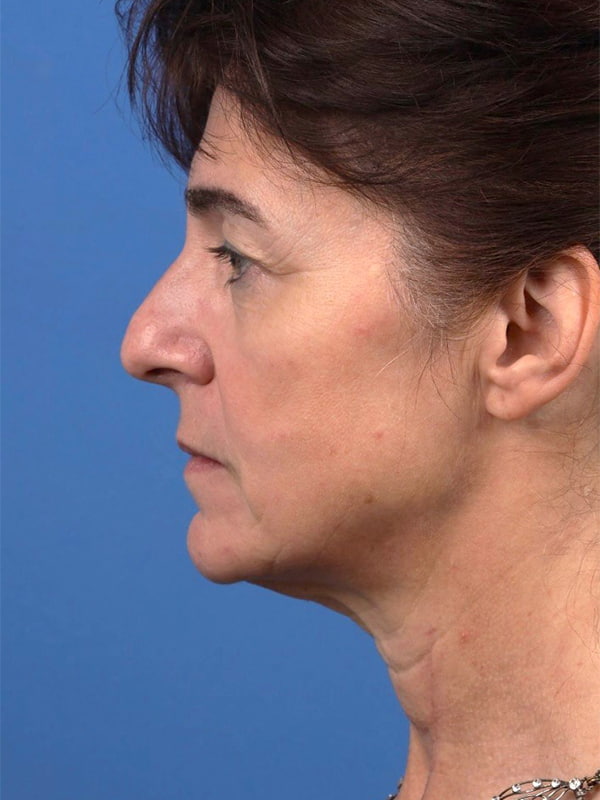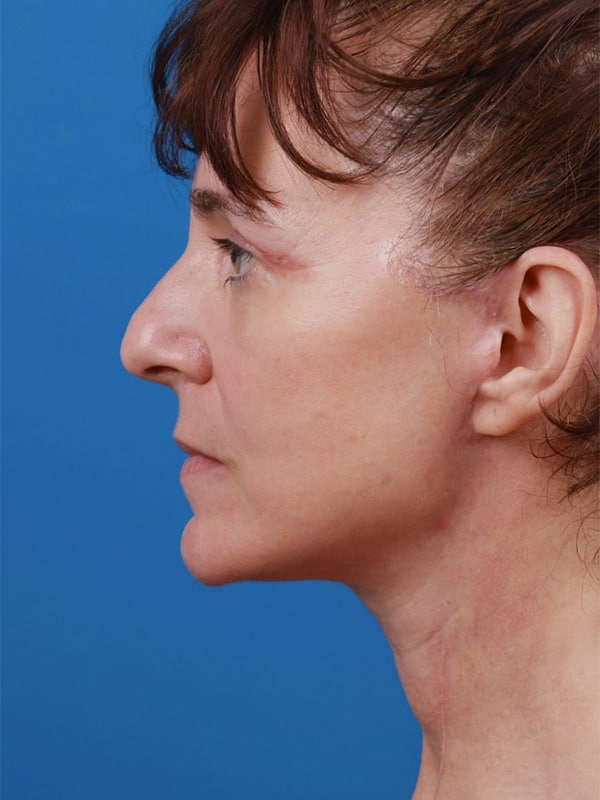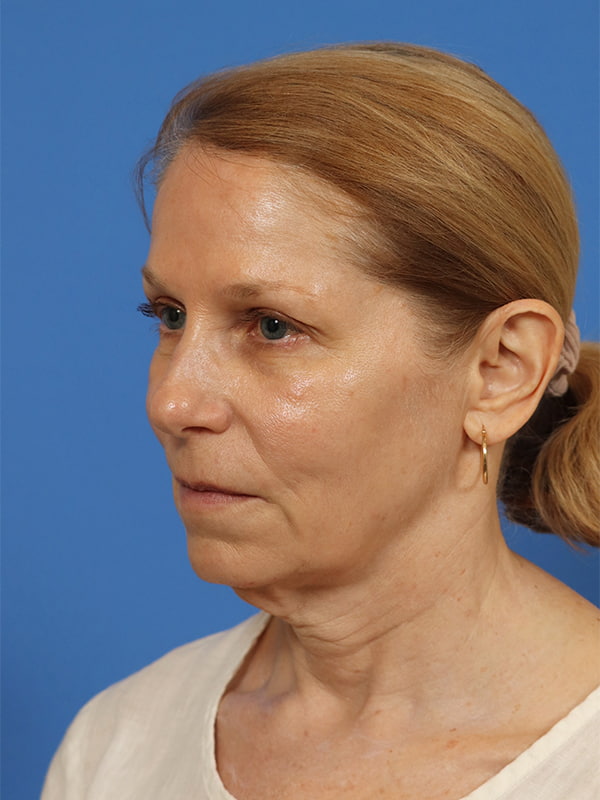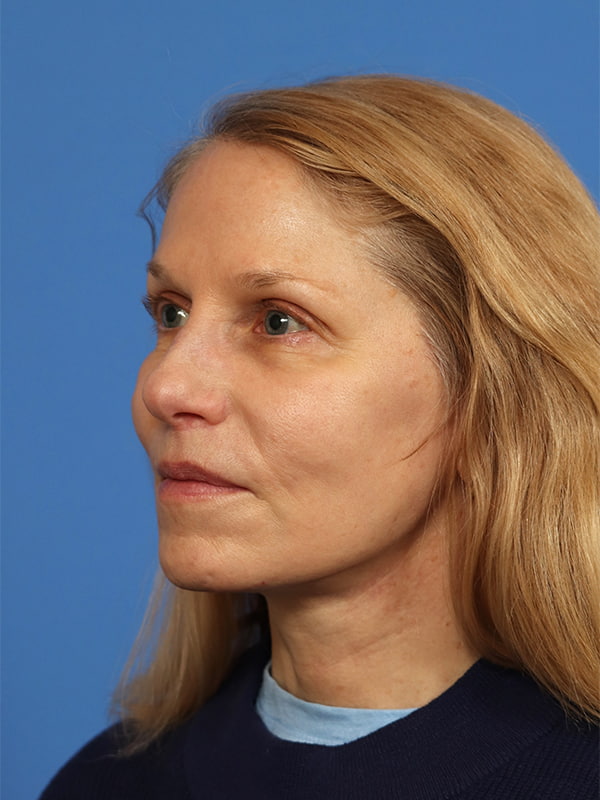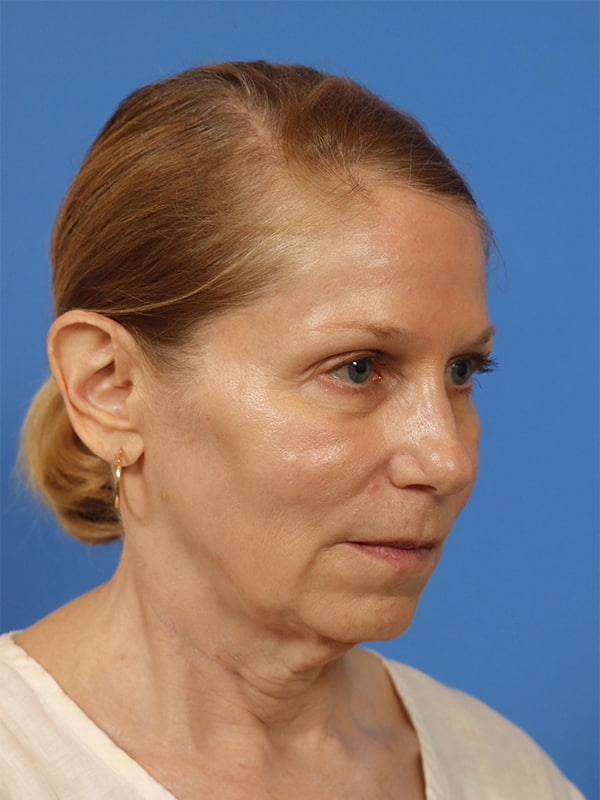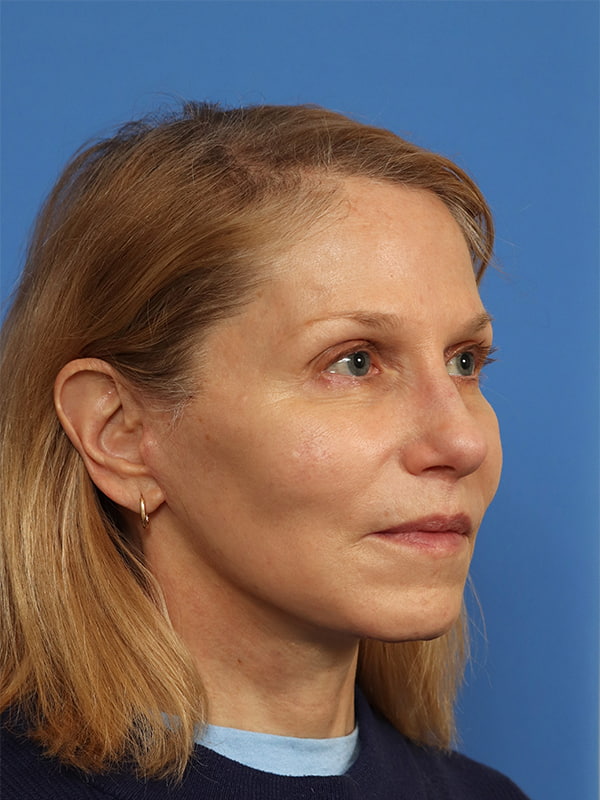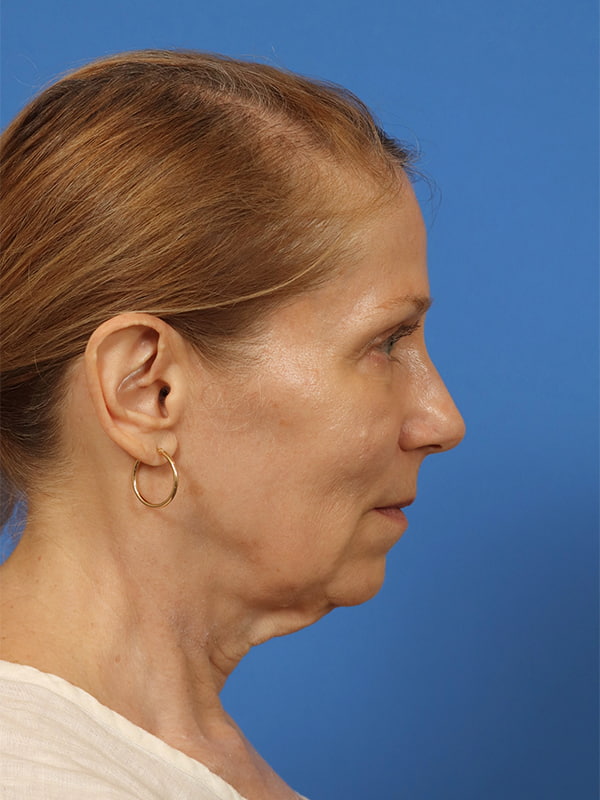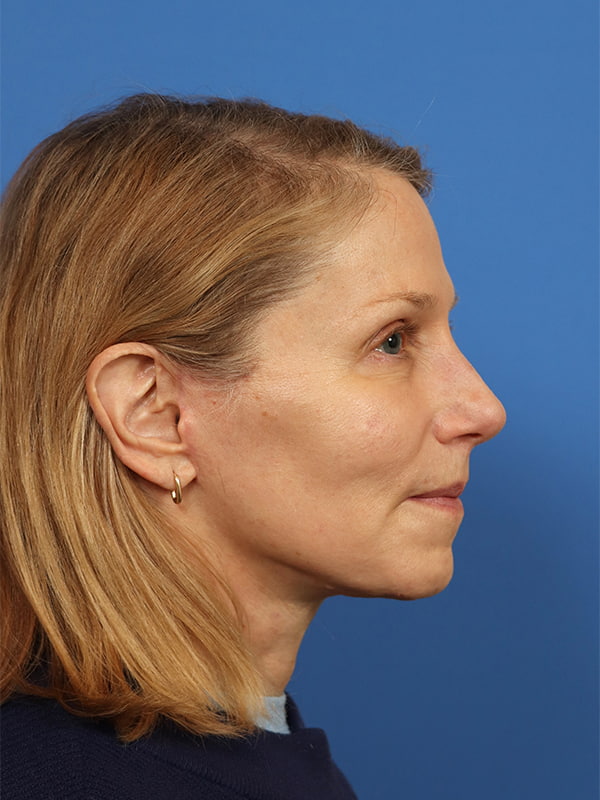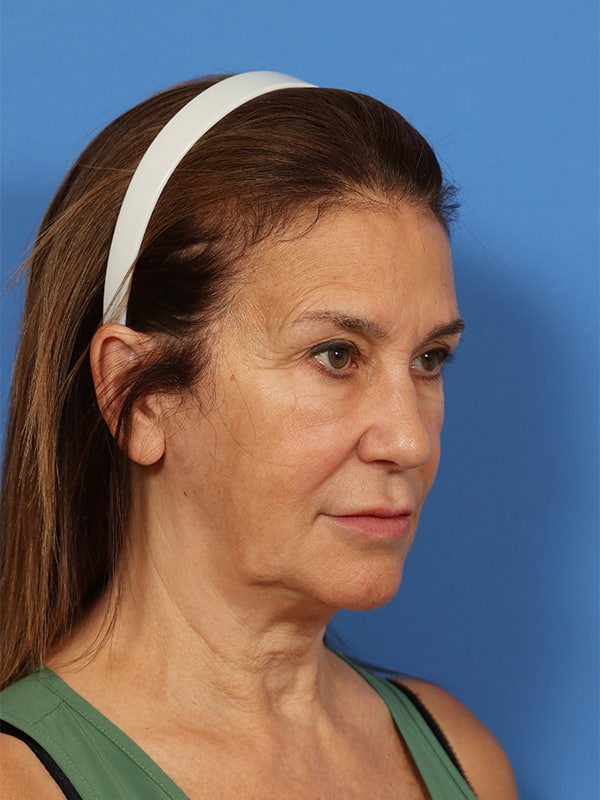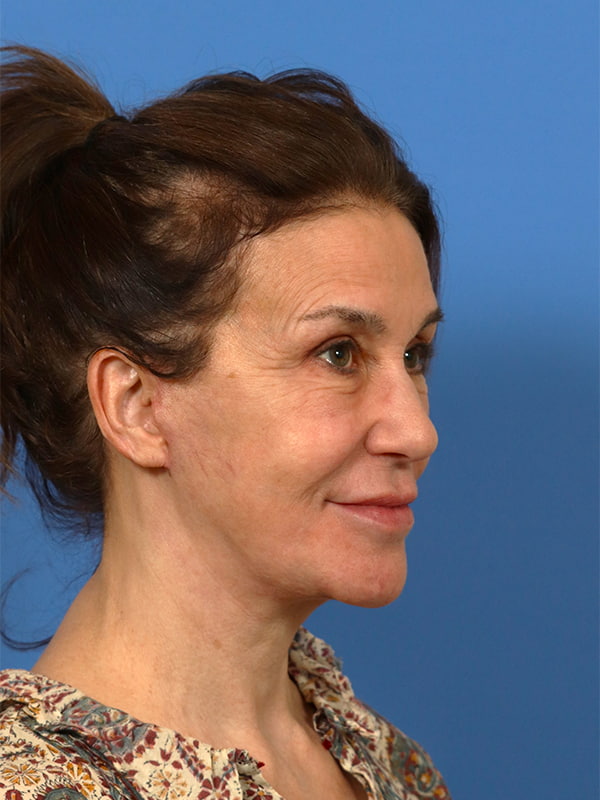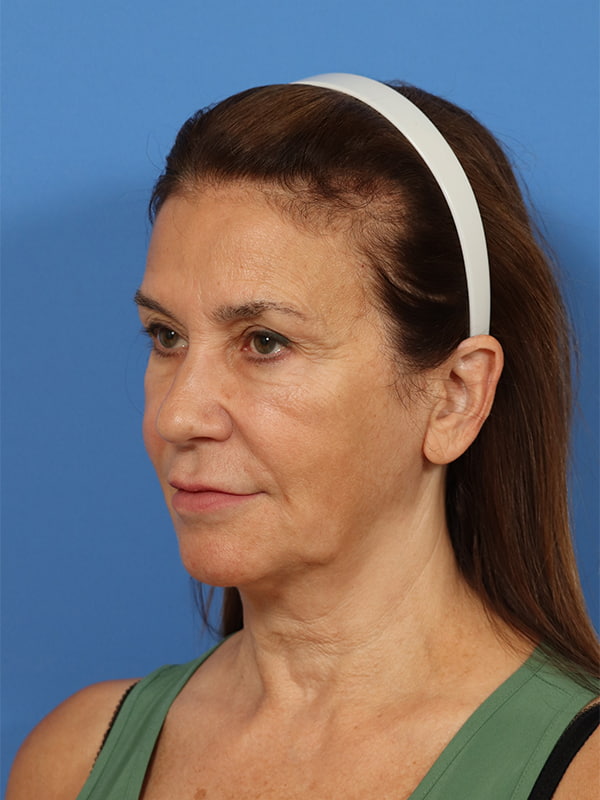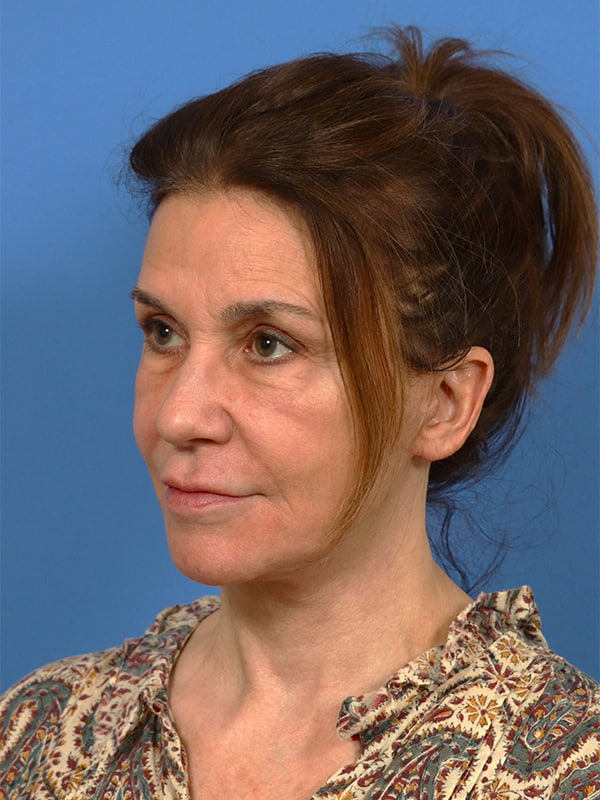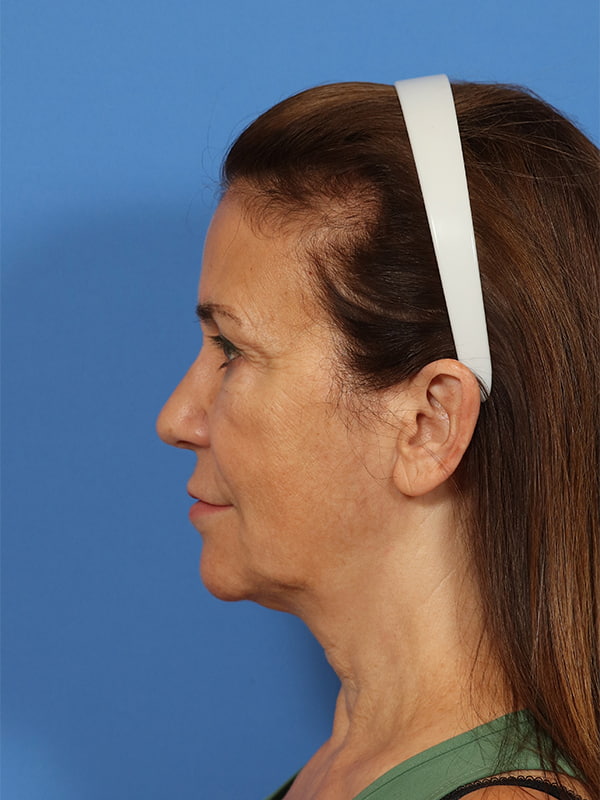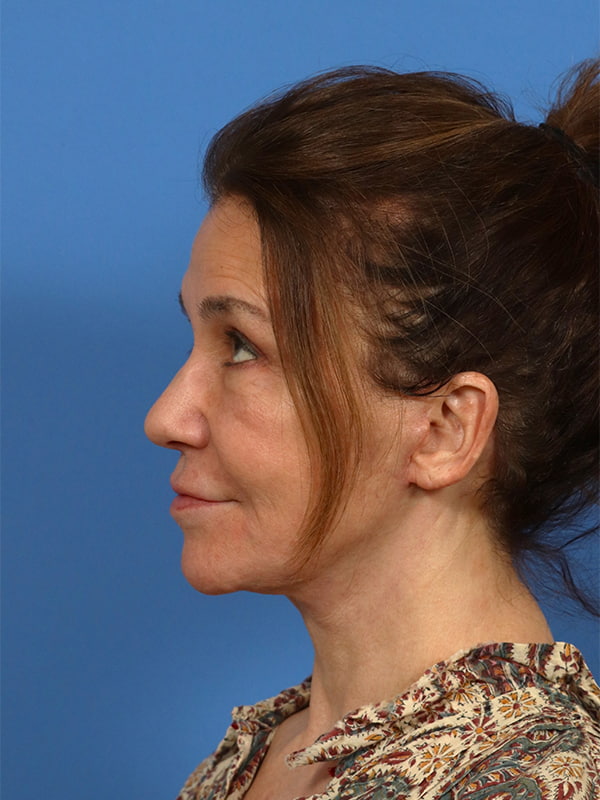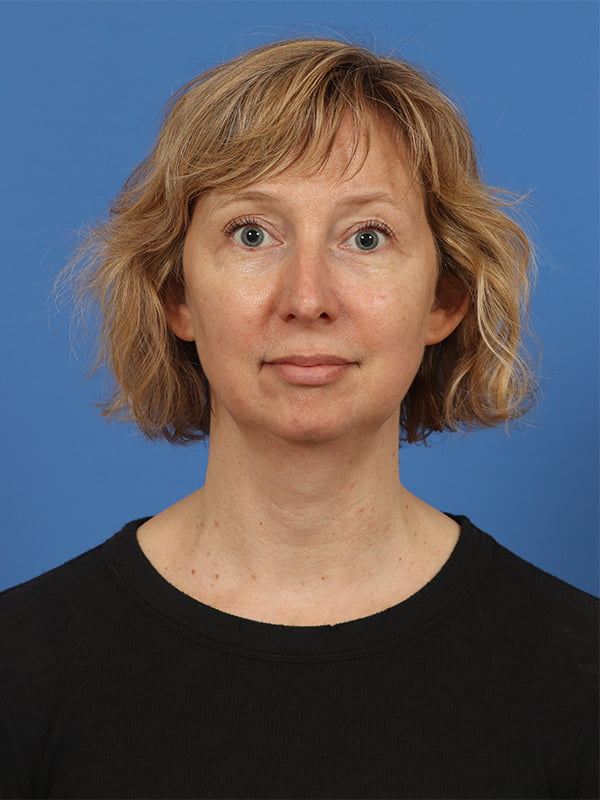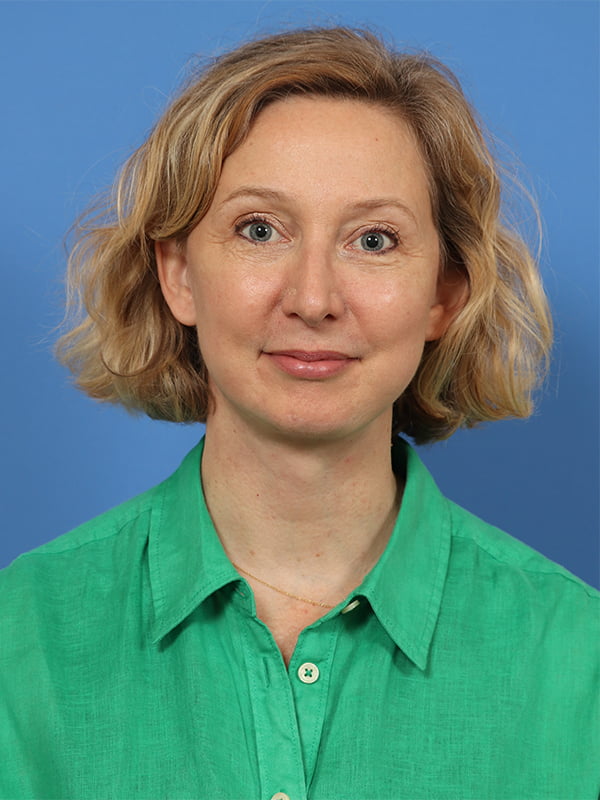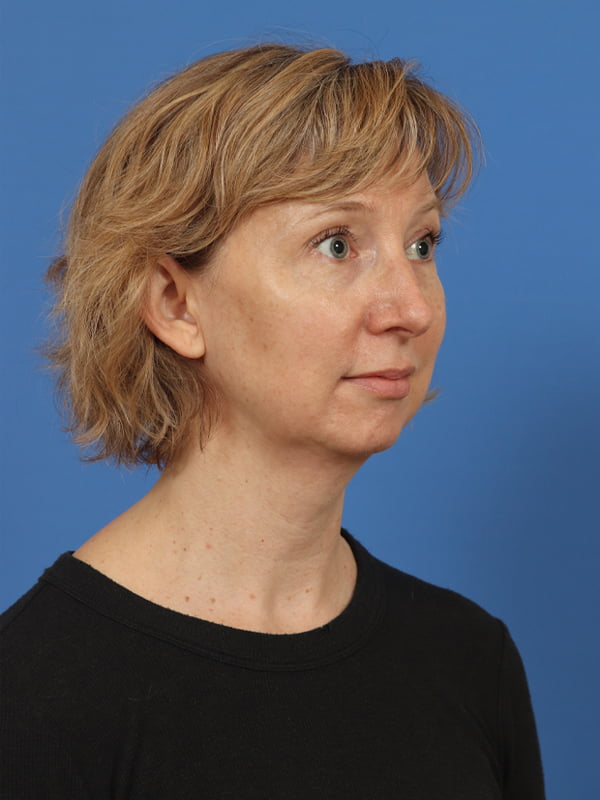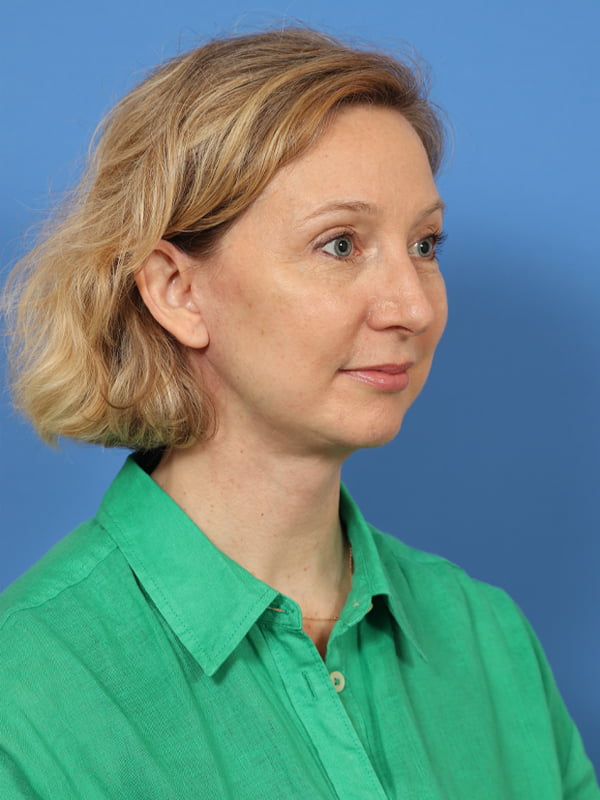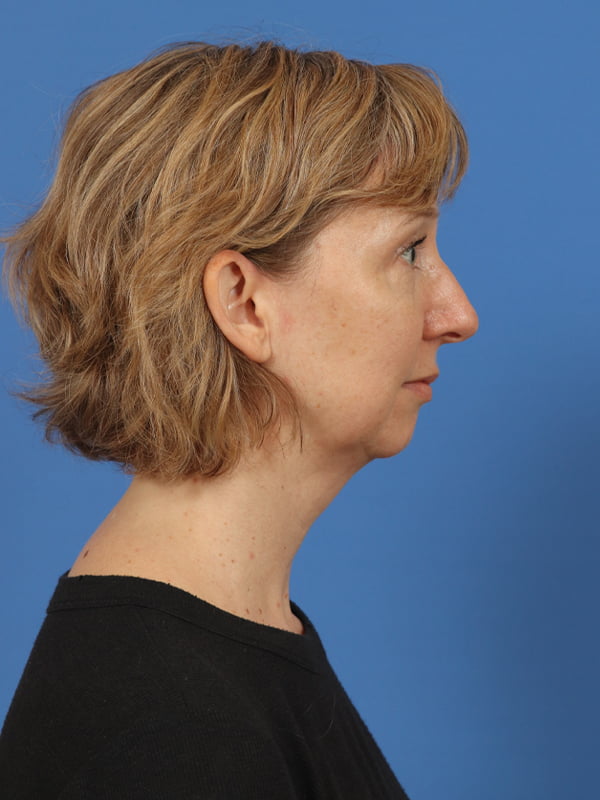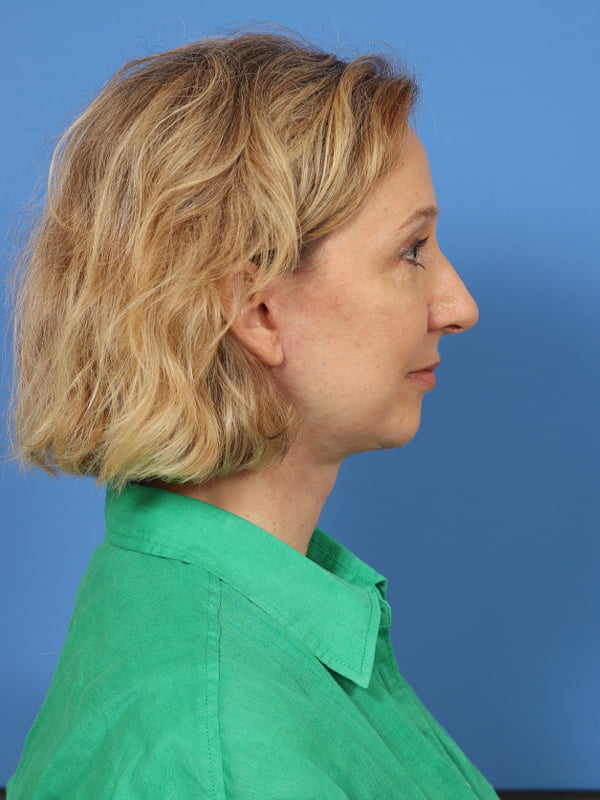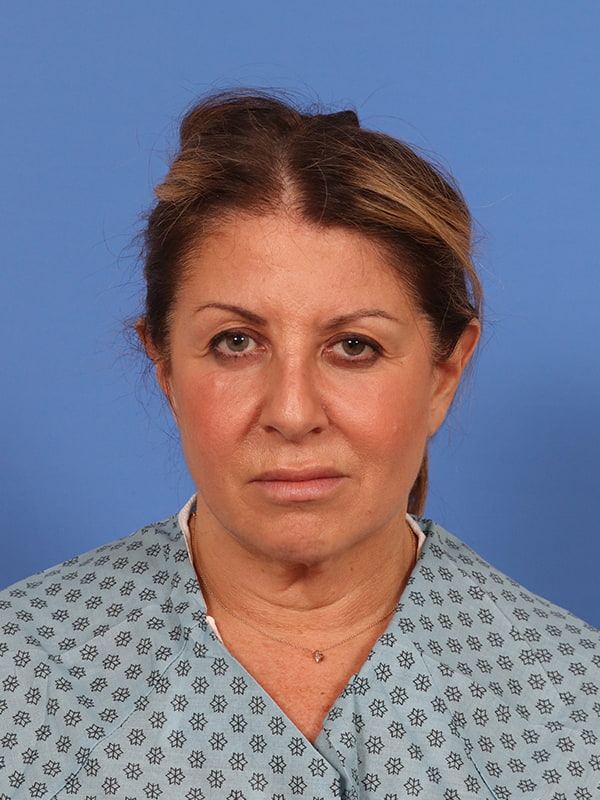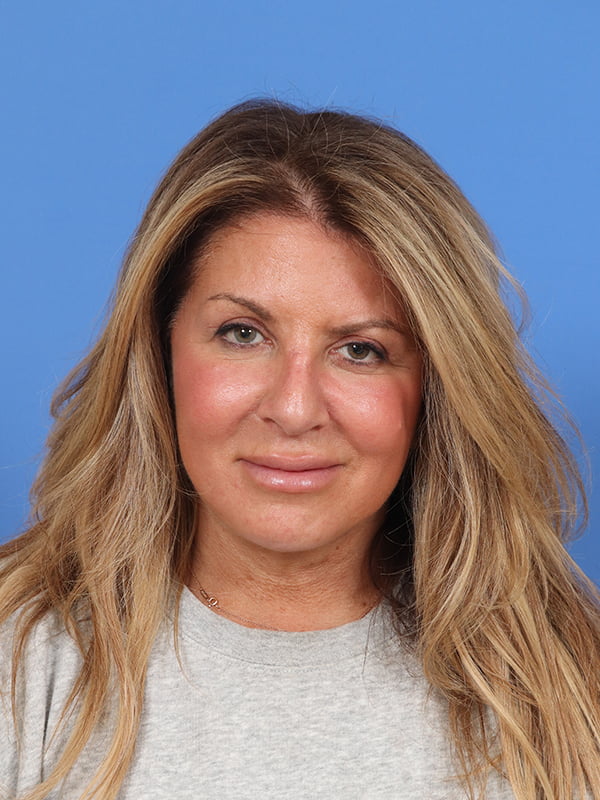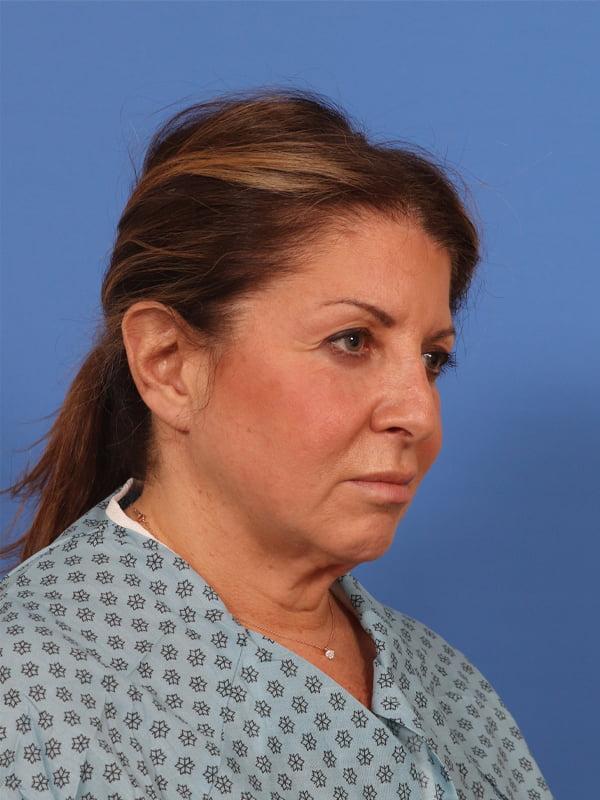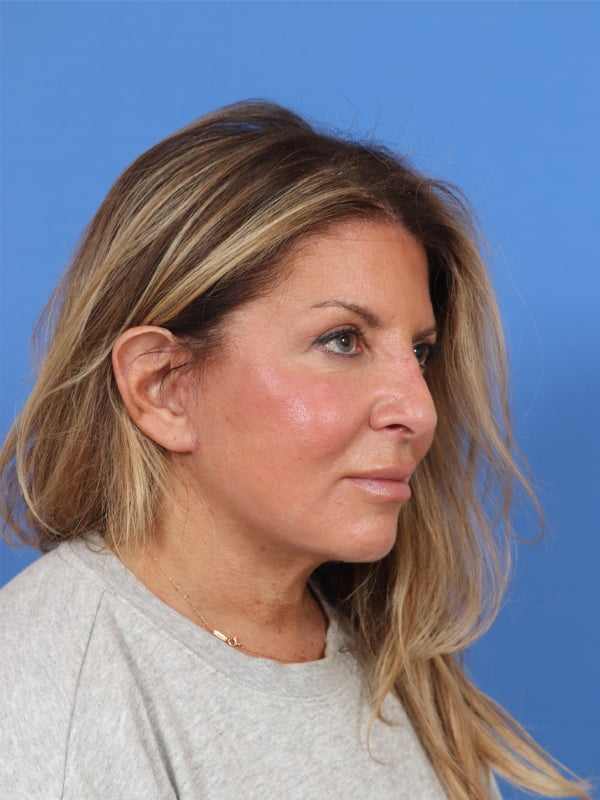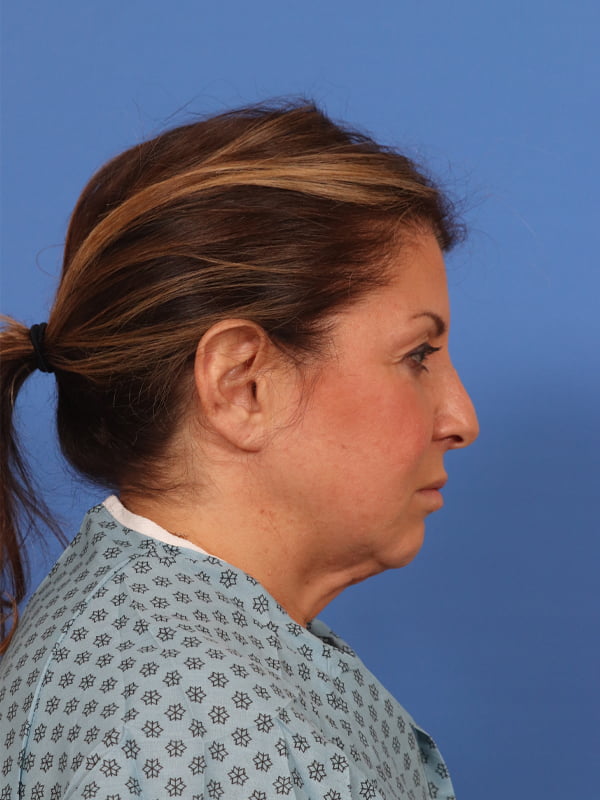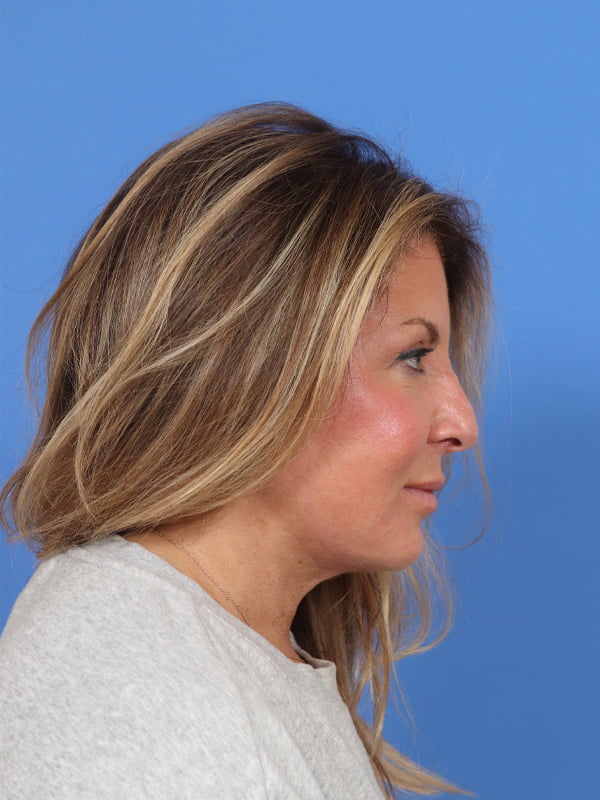

As you approach the mirror in the morning, you may wonder how the stresses of your day, sleep habits, and your overall health affect your appearance. We may all have different habits and desires, but many patients agree: how you present yourself to the world is important. As our faces emerge from behind the constant use of masks, both men and women notice the signs of aging. The early development of jowls, sagging skin, deepening facial folds around the mouth, and perhaps a double chin may contribute to making you appear older than you wish.
At RENATA Facial Cosmetic Surgery, patients receive exceptional customer service, a welcoming environment, scheduling flexibility, and personal attention to their needs and wishes. Double board-certified facial cosmetic surgeon Dr. Renata Khelemsky specializes in aesthetic surgery for the face and neck. By creating a carefully tailored and customized treatment plan, Dr. Khelemsky achieves beautiful transformations by working with her patients’ natural features to accentuate their unique beauty.
 Swipe To Next
A facelift, also known as a rhytidectomy, is a surgical procedure designed to dramatically improve the appearance of visible signs of aging in the face and neck. In addition to our genetic makeup and the biological process of senescence, several other factors contribute to the signs of aging, such as environmental exposure to harmful ultraviolet light, stress, nutrition, as well as alcohol and tobacco consumption. Together, these multifactorial stressors translate to the physical development of chronic facial aging such as evident jowls, an uneven jawline, sagging and loose skin of the neck, and heaviness along the lower face. At our practice located in Brooklyn, NY, facelift patients can effectively rejuvenate the shape and contour of the cheeks and face while dramatically tightening the skin of the neck, re-creating the well-defined and contoured jawline of youth and beauty.
Overall, a facelift is the most effective way to address sagging jowls and cheeks, redundant skin, especially along the lower face, and vertical neck bands that correspond to excess skin and muscle. By definition, every facelift incorporates a neck lift. However, not all neck lifts address facial lifting and sculpting. A facelift offers results that last for up to ten years when performed using contemporary techniques. The ideal age for a facelift is a person in their late 40s to mid-60s with signs of facial aging and skin excess, but every individual’s case is unique and requires careful assessment of the perceived benefits. It is essential to be in good physical health with no significant and poorly controlled medical conditions.
According to the American Society of Plastic Surgeons, in 2019, more than 120,000 people had facelifts in the United States, making it one of the most requested cosmetic surgical procedures. Ideal candidates for a facelift are men and women with moderate to severe signs of aging in the face, neck, and jawline and who are looking for dramatic and transformative results. Brooklyn facelift surgeon, Dr. Khelemsky, has extensive experience in cosmetic and revision facelift surgeries, and your specific needs will be met with the highest level of excellence, training, and personal care, from your consultation through your surgery and aftercare.
Facial aging is a structural process that affects every layer of the face and neck. In youth, the face tends to have a soft, triangular shape, with fullness in the cheeks tapering to a defined jawline. Over time, that shape gradually shifts into what is often called the “trapezoid of age,” as weight settles lower and the jaw and neck become fuller and less defined.
Several changes contribute to this shift. The ligaments that hold the facial tissues in place stretch and loosen, allowing the deeper tissues and muscles to descend. Fat compartments that once supported the cheeks slide downward toward the jaw, leaving hollows where volume used to be. At the same time, the face naturally loses volume with age, and shifts in weight, hormones, and overall skin health add to these changes. The skin itself becomes thinner and loses its elasticity, so it no longer springs back as it once did and begins to sag along with the structures beneath it.
Because aging affects these various layers of the face, treatments that work only on the skin have limits. Lasers and energy based devices that heat the deeper layers of the skin can improve texture and tone, but they cannot reposition muscles, lift descended fat, tighten stretched connective tissue, or remove true excess skin. When these deeper changes are present, repositioning the underlying structures and removing excess skin are essential for a natural, rejuvenated result.
A facelift addresses these specific changes:
No two facelifts are the same. A facelift is not a menu item where patients choose what they think they need. Instead, Dr. Renata evaluates the degree of aging in the face and neck, the underlying bone structure, and the quality and elasticity of the skin to determine the right approach. A patient in their late 30s or early 40s will need a very different plan than a patient in their 50s or 60s, or older.
The goal is always a complete, natural result for that patient’s stage of aging, not a partial improvement. The right technique is chosen through a thorough evaluation of each patient’s anatomy, aesthetic goals, and medical history.
A mini facelift may be appropriate for patients with early aging in the midface and jowls who do not yet have significant laxity in the neck. The term “mini facelift” is used differently from one surgeon to another, so it is worth understanding exactly what it involves in each surgeon’s hands.
Dr. Renata’s mini facelift uses shorter incisions around the ear but follows the same deep plane principles as her comprehensive face and neck lift. The deeper tissues of the mid and lower face are released and repositioned. This procedure is not a skin tightening procedure or a quick in-office treatment, and it does not include work on the neck. The goal is to lift the midface, improve early jowling, and refine the jawline, with a shorter surgery and recovery. It is best suited for patients with good skin elasticity and early signs of aging.
Patients with more advanced aging, such as noticeable jowls, visible bands in the neck, and loose neck skin, need a more comprehensive approach that lifts both the face and the neck. This procedure is also commonly called a “Traditional Facelift” or a “Deep Plane Face and Neck Lift”. The term deep plane simply refers to the surgical layer in which the lift is performed, rather than the full technique of the procedure. As performed by Dr. Renata, the Comprehensive Face and Neck Lift always uses a deep plane approach and includes a full neck lift.
Like the Mini Facelift, this procedure works beneath the SMAS, the supportive connective tissue layer under the skin, and enters the deep plane. The difference is that the operation extends into the neck through an additional incision beneath the chin, tightening the neck muscles and contouring unwanted fullness from fat and muscle. The incisions also continue down along the hairline behind the ears to remove and tailor the larger amount of excess skin.
Every deep plane technique relies on releasing the ligaments that hold the face and neck tissues in place. This allows the deeper tissues to be lifted and repositioned without pulling on the skin, which helps avoid a tight or windswept look. Because the skin is not under tension, incisions also tend to heal more discreetly, without thick or stretched scars.
A neck lift on its own is less common than many patients expect. Most people with aging in the neck also have aging in the jowls and lower face, so a neck lift is usually performed together with a facelift. Lifting the neck alone in these cases can cause skin to bunch near the jawline, since the neck skin is naturally lifted up toward the face.
In some situations, however, focusing only on the neck is the right choice. This may include younger patients with fullness under the chin but little excess skin, patients seeking revision of a previous face or neck lift, or patients who are candidates for a different type of neck lift that uses an incision along the center of the neck, also called a Direct Neck Lift.
During a neck lift, Dr. Renata makes a small incision beneath the chin to reach the platysma, the thin muscle of the neck, and the deeper structures beneath it. Excess fat is removed, the neck muscles are tightened, and excess skin is trimmed when needed. The right approach depends on several variables, including each patient’s age, skin quality, anatomy, and goals. Whether a neck lift alone or a combined procedure is best is discussed during consultation.
Volume loss is one of the most significant drivers of facial aging. As fat and bone gradually diminish, the face loses the support that once kept it full and lifted. The temples hollow, the cheeks flatten, and the jawline softens, allowing the skin to fold and sag. For patients whose aging is driven largely by this loss of volume, and who are not ready for or not candidates for surgery, Dr. Renata offers her signature FaceFrame™ Lift using hyaluronic acid dermal filler. Rather than concentrating filler in the center of the face, this approach restores support from the outside in, rebuilding the outer frame of the face while using more measured amounts centrally to avoid an overfilled appearance. By replacing what time has taken away, it creates a refreshed, subtly lifted look that preserves natural expression.
As a nonsurgical treatment, the FaceFrame™ Lift is designed to restore volume rather than remove loose skin, tighten the neck, or reposition significantly descended tissue. It is best suited for milder aging or as a complement to surgery. For patients who are not surgical candidates, it offers a more modest yet meaningful improvement that improves overall appearance. Results may last a year or longer and are maintained with periodic follow up visits. Downtime is minimal, though some swelling or bruising is possible for a few days.
During your consultation for a facelift Brooklyn Facial Cosmetic Surgeon, Dr. Khelemsky, will evaluate whether you are an ideal candidate for the procedure. In addition to taking a complete medical history, other factors that may influence whether you are a candidate for surgery include:
After a thorough consultation with Dr. Khelemsky, you will learn about the benefits and limitations of facelift surgery. A facelift will help you rejuvenate your face, neck, and jawline. However, it will not improve or affect the appearance of the eyes, nose, lips, or chin. Patients are encouraged and properly counseled to maintain realistic expectations with respect to surgery, as well as to expect an overall natural, refreshed, and rejuvenated appearance.
Dr. Khelemsky will evaluate any relevant medical condition(s) that may put you at an increased risk of health complications associated with surgery or anesthesia. Safety is a top priority, and working together with your primary medical provider and medical specialists is essential in preparation for elective surgery.
Dr. Khelemsky will inquire about any prescribed or over-the-counter medications you take. Medications such as aspirin, ibuprofen, and various herbal supplements may promote bleeding and bruising. A comprehensive list of such medications will be provided to you to help you prepare and consult with your medical provider. If you smoke, vape, or use nicotine-containing products, you are at an increased risk of surgical complications. The use of these products impedes blood flow and as a result greatly hinders the normal healing process. Alcohol consumption in the days leading up to and immediately after surgery must also be monitored to ensure safety. Patients are advised to consider cessation of all nicotine-containing products several weeks prior to and after surgery, and of alcohol two to three days before and after surgery. At times, prospective patients will benefit from the advice of their medical provider to help them achieve their lifestyle goals and safely prepare for surgery.
At our practice in Brooklyn facelifts are commonly performed as an outpatient surgery. Before your surgery, a board-certified medical anesthesiologist will review your medical history and determine the best approach for general anesthesia. At the time of your consultation and throughout your surgery, Dr. Khelemsky will determine the best facelift technique for your specific anatomy and rejuvenation needs.
The short scar “mini” Facelift is ideal for patients with mild degrees of facial aging and sagging tissues. As a result, a shorter length of incision may be used to access and tighten the deeper tissues of the face and neck. If you are a candidate for a “mini” facelift, you can expect a more youthful and well-defined neck and jawline with a shorter recovery period when compared to a traditional facelift.
The Superficial Musculoaponeurotic System (SMAS) Lift refers to the fascial layer, or the firm connective tissues, covering the muscles of the face. With a SMAS Lift, an appropriate amount of skin is lifted in order to visualize and access this SMAS layer. In this approach, various incisions are used to release, lift, and reposition the underlying SMAS. After the SMAS has been lifted and repositioned using key sutures, the excess skin is carefully removed, creating a tighter and firmer appearance for the face and neck.
This facelift method involves lifting both the skin and SMAS concurrently and then tightening and redressing this composite layer for natural and long-lasting results. The Deep Plane Lift extends to the deeper layers of the face and has been shown to provide excellent long-lasting results in the midface region.
After a facelift Brooklyn patients will be carefully monitored to ensure comfort and a smooth recovery, and a head dressing made of gauze will be in place. You will need a responsible caregiver to drive you home and provide immediate support during your recovery. It is recommended to have a caregiver available to you for at least one week after your surgery. You will receive specific post-operative instructions, such as keeping the head elevated, taking specific medications, refraining from turning your neck, and avoiding physical exertion for the first two weeks after surgery.
You will also have frequent follow-up visits with Dr. Khelemsky to ensure your safe and optimal recovery. As you heal, you may experience tightness in your face along with itching, swelling, and minor bruising. These symptoms are expected and will begin to subside after a couple of days. Patients can manage early discomfort with both prescribed and over-the-counter medications. Dr. Khelemsky and her team in Brooklyn will be there for you every step of the way in your facelift recovery, even if you travel to see us.
Healing after a facelift happens in stages, and knowing what to expect can make recovery feel more manageable and help with planning work, social commitments, and travel. The timeline below is a general guide. Every patient heals differently, and Dr. Renata tailors recovery instructions to each patient’s procedure and progress.
Following a facelift, patients can remove their bandages approximately 24 to 48 hours after surgery, and immediately appreciate the results. However, swelling and bruising are to be expected and will gradually dissipate over the next several days to weeks. You can expect to be “coffee shop ready” in about three weeks but will have to hold off on highly strenuous exercise and major social events for approximately six weeks. Dr. Khelemsky can help you amplify your rejuvenated appearance with a customized and dedicated skincare regimen using tailored and effective ingredients for your skin’s health and radiance.
A facelift creates long lasting structural improvement by removing excess skin and repositioning the deeper tissues of the face and neck. The face continues to age naturally year by year, but from a more refreshed starting point, so patients often look younger than they otherwise would for many years. Many patients begin to consider a refresher procedure around ten years after their facelift, though this varies with genetics, skin quality, sun exposure, preferences, and lifestyle.
Consistent sun protection, wrinkle relaxing treatments, and a thoughtful medical skincare routine help preserve the quality of the skin and maintain the results of surgery, even as the natural aging process continues.
We offer surgeon-based care focused on highlighting your unique beauty. Possessing a keen eye, gentle touch, and deft technical skill, Dr. Renata stays at the forefront of aesthetic medicine to bring you the highest level of care available, tailoring every service to your unique needs.
Our state-of-the-art facial aesthetic clinic is located in DUMBO, Brooklyn, in New York City. We cater to the local areas, including Downtown Brooklyn, Brooklyn Heights, Park Slope, Williamsburg, Long Island City, and Cobble Hill, as well as Manhattan and New York City at large. Patients can expect a premium experience in our luxury office setting, where attention to privacy and one-on-one care create a professionally tranquil and high-quality visit.
A double-board-certified facial cosmetic and reconstructive surgeon, Dr. Renata Khelemsky specializes in enhancing natural beauty. A Fellow of the American Academy of Cosmetic Surgery and diplomate of the American Board of Facial Cosmetic Surgery, she takes a personalized approach that begins with a comprehensive analysis of your facial features, ensuring each transformation celebrates your unique individuality.
Learn More About Dr. Renata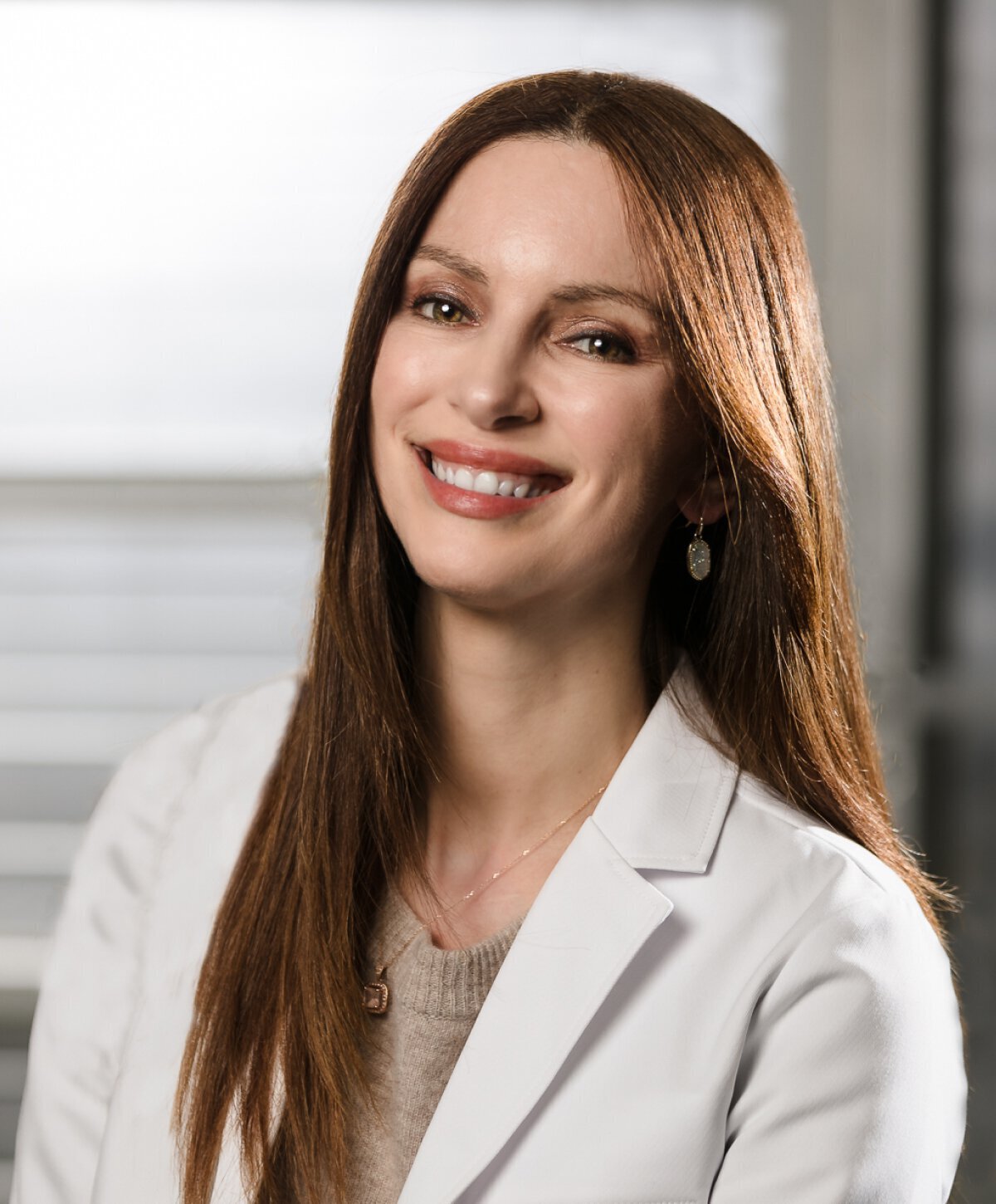
Call (646) 558-3757 or complete our online form to schedule your consultation for Facelift. Our tailored approach to Facelift procedures and expert-level care set us apart from other providers, ensuring a top-notch experience that unveils your natural beauty. Schedule your personalized consultation with New York Facial Cosmetic Surgeon, Dr. Renata Khelemsky, today.
Yes, and this is most commonly the case! As facial aging is a global phenomenon, patients will notice aging not only through the face and neck, but also the eyes, brows, lips, and chin. These areas are commonly rejuvenated at the same time as the face and neck in order to produce the most comprehensive result achieving harmony across multiple facial regions, while benefiting from one recovery period. Dr. Khelemsky will tailor a treatment plan that meets your individualized aesthetic needs.
Certain medical conditions may disqualify you from undergoing Facelift surgery. These include but are not limited to uncontrolled diabetes, severe heart disease, bleeding disorders, and autoimmune diseases. It’s crucial to discuss your full medical history with your surgeon during the consultation. Your surgeon will evaluate your overall health and determine if you are a suitable candidate for the procedure. Being honest about your health conditions and any medications you are taking will help ensure a safe and successful outcome.
There are various types of Facelift techniques, and the decision to choose one over another is influenced by factors such as the surgeon's training, their nuanced understanding of individual patient anatomies, and their personal preferences. The traditional SMAS Facelift targets the deeper Superficial Musculoaponeurotic System (SMAS) by isolating and lifting it, modernizing older skin-only Facelifts with a long track record of safety and efficacy. This technique includes multiple variations, such as the Extended-SMAS and High-SMAS lifts, which further enhance precision and outcomes.
The Deep Plane Facelift goes further by completely separating the SMAS from its attachments, enabling a more powerful and tension-free lift, particularly in the jawline and midface areas. While both SMAS lifts and Deep Plane Facelifts access the deep facial plane, a properly performed Deep Plane Facelift releases deeper layers from their tethered points, providing more substantial and long-lasting results.
Additionally, some surgeons perform a Mini Facelift, which typically lifts a limited portion of the SMAS without addressing the neck tissues. This technique is often tailored for younger individuals with minor aging and early jowling. Despite the various names and subtypes of facelifts, each procedure is designed to meet the specific needs and goals of the patient.
Facelift surgery, like any surgical procedure, carries potential risks and complications. These can include infection, bleeding, scarring, hematoma, skin sensory changes, nerve injury leading to temporary or permanent facial weakness, and adverse reactions to anesthesia. Proper preoperative assessment and choosing an experienced surgeon can significantly reduce these risks. During your consultation, your surgeon will discuss these risks in detail and explain the measures taken to minimize them, ensuring you have a clear understanding before proceeding with the surgery.
The most visible phase of healing lasts about two to three weeks. During the first week, a dedicated caregiver should stay with the patient to help with medications, meals, and responsibilities around the home, and to accompany them to postoperative visits. Most patients feel comfortable returning to public settings by the start of the third week, though preferences for discretion vary, and some choose to take additional time before returning to social commitments. By six to seven weeks, most patients feel confident wearing makeup, styling their hair, and enjoying their results. Full healing continues gradually over several months and up to one year.
Surgery is not strictly about age, but rather about addressing specific concerns. Patients who exhibit the classic signs of aging that Facelifts are designed to correct can be considered candidates for the procedure, regardless of their age. While most patients seeking Facelifts are in their 40s to 60s, some individuals in their late 30s or early 40s may choose to have a Facelift if they have significant skin laxity or signs of aging along the neck and jawline. Early intervention with Facelift surgery can often result in more natural-looking outcomes, especially when alternatives like dermal fillers are insufficient for addressing excess, sagging skin. It's essential to have a thorough consultation with your surgeon who can evaluate your unique situation and determine if a facelift is appropriate for you based on your specific findings and aesthetic goals.
Whether you will need more than one Facelift depends on several factors, including your age at the time of the initial procedure, your skin type, lifestyle, and how well you maintain your results. While a Facelift can provide long-lasting results, it does not stop the natural aging process. Most commonly, a “secondary” or "tuck" Facelift can be considered in 7-10 years, depending on the type of Facelift you had initially and your rate of aging. A weak or poorly performed initial Facelift may warrant a larger revision procedure, such as a Deep Plane Facelift. Patients who have an early intervention Facelift in their early 40s may go on to have three lifetime Facelifts, depending on their motivations and health. Regular maintenance through skincare, healthy lifestyle choices, and possibly non-surgical treatments can help prolong the results of your Facelift. It's best to discuss your long-term aesthetic goals with your surgeon to understand what to expect and how to plan for the future.
The cost of facelift surgery varies based on the type of facelift, extent of correction, surgeon’s experience, and geographic location. In Brooklyn, facelift surgeon fees commonly range from approximately $20,000 to $30,000, while more comprehensive procedures, including Deep Plane Face and Neck Lifts, may range from $40,000 to $60,000 or more. Additional costs for anesthesia, the accredited surgical facility, and postoperative care may apply depending on how fees are structured. These are general market ranges and are not a quote for an individual procedure. At RENATA Facial Cosmetic Surgery, the surgical approach and extent of correction are determined during an in-person consultation, followed by a detailed surgical proposal. Current general pricing ranges are available through the online Service Menu, and financing options may be available.
Yes, there are non-surgical options that can provide some rejuvenation, although they typically do not achieve the same dramatic results as a Facelift. These options include dermal fillers to restore volume and smooth wrinkles, Botox to relax facial muscles and reduce lines, and energy-based treatments to improve skin texture and tone. These treatments can be effective for patients with mild to moderate signs of aging and can serve as a complementary approach or a temporary solution before considering surgery.
However, overusing fillers to address issues best treated surgically can result in unnatural, "overdone" appearances that may need correction later. Patients who undergo surgical rejuvenation often continue using neuromodulators like Botox to smooth dynamic wrinkles, undergo laser skin resurfacing to reverse sun damage, and use fillers to maintain volume. Since surgery does not halt the aging process, non-surgical treatments may be used post-surgery to enhance and maintain the youthful results achieved.
These terms are used differently from one surgeon to another, so it is important to understand what each means in a specific surgeon’s hands. In Dr. Renata’s practice, both the Mini Facelift and the Traditional Facelift, which can also be described as a Comprehensive Face and Neck Lift, are performed using deep plane techniques. This means the ligaments that hold the facial tissues in place are released so the tissues can be repositioned without pulling on the skin, which helps avoid a tight or swept appearance.
The difference between them is how much of the face and neck is treated. The Mini Facelift uses shorter incisions around the ears to focus the lift on the midface and early jowling, without an additional incision beneath the chin to access the neck. Because less surgical dissection is involved, operative time is shorter and recovery is somewhat easier. This procedure is offered only to patients whose signs of aging are relatively early and mild.
The Comprehensive Face and Neck Lift extends into the neck, with longer incisions around the ears and an incision beneath the chin, to address more advanced aging, neck banding, and loose skin. “Traditional Facelift” is simply the familiar term many patients use for this procedure, referring to incisions around the ears and below the chin. Whether the facelift is Mini or Comprehensive, Dr. Renata uses a deep plane approach to create a lift without skin tension and results that look natural.
Ultimately, the right facelift technique depends on each patient’s anatomy, degree of aging, and goals.
When selecting a Facelift surgeon, it is essential to look for certain qualifications to ensure a safe and satisfactory outcome. Facelift procedures can be performed by general plastic surgeons as well as cosmetic surgeons who subspecialize in facial surgery alone. The surgeon should be board-certified in their respective specialty, indicating they have undergone rigorous training and adhere to high standards of care. Experience is crucial, so be sure to choose a surgeon who specializes in Facelift procedures and has a significant number of successful surgeries.
Additionally, positive patient reviews and testimonials, as well as before-and-after photos, can provide insight into the surgeon’s skill and patient satisfaction. Ensure the surgeon operates in an accredited medical facility and that you feel comfortable and confident in their care during the consultation process. And finally, consider asking your surgeon to connect you with previous patients who have undergone similar procedures and are at various stages of their recovery. This is a common request, and satisfied patients are often happy to share their experiences with prospective patients.
At RENATA Facial Cosmetic Surgery, we prioritize privacy. While many Before & After photos are featured on our website and social media channels, we understand not everyone wishes to share them publicly. To respect our patients’ unique preferences, we invite you to explore a more comprehensive Before & After gallery during your consultation in our office.
Life can be demanding, and we understand. For patients who may be traveling, preparing for a last-minute occasion, or simply looking for a more exclusive experience without any inconvenience or delays, we are pleased to offer preferred patient scheduling. Patients may undergo a personal consultation as well as tailored cosmetic treatments during evening hours or weekends. Appointments are required and premium rates apply. Please call our office to inquire about preferred patient scheduling and allow us to create an exceptional experience just for you.
Contact UsAt RENATA Facial Cosmetic Surgery, patients receive excellent customer service, communication, personal attention, and scheduling flexibility. Located in the historical and breathtaking waterfront neighborhood of DUMBO, Brooklyn in New York City, our office serves local neighborhoods including Brooklyn Heights, Park Slope, Williamsburg, and Cobble Hill, as well as Manhattan and New York City at large.
Our office location is:
58 Prospect Street, Brooklyn, NY 11201
Monday - Friday: 8:30AM to 4:30PM
Saturday (by appointment only): 9:30AM to 2:30PM