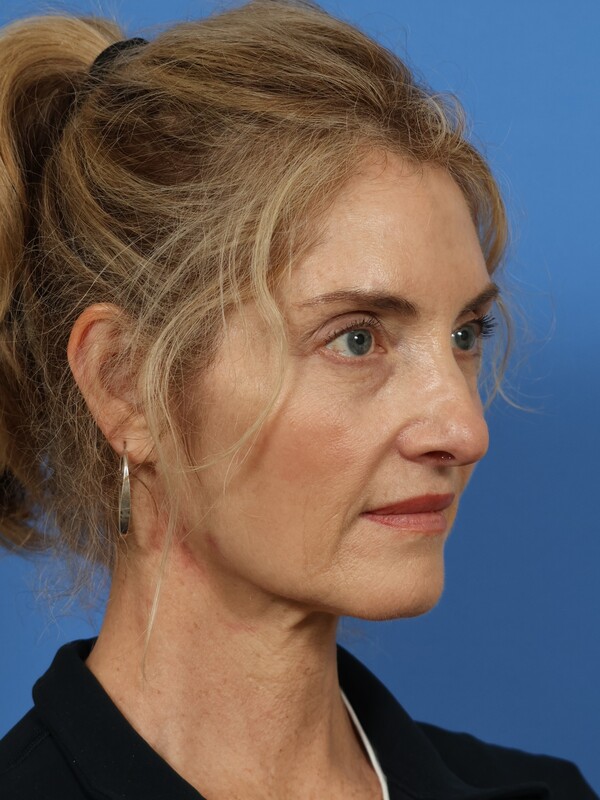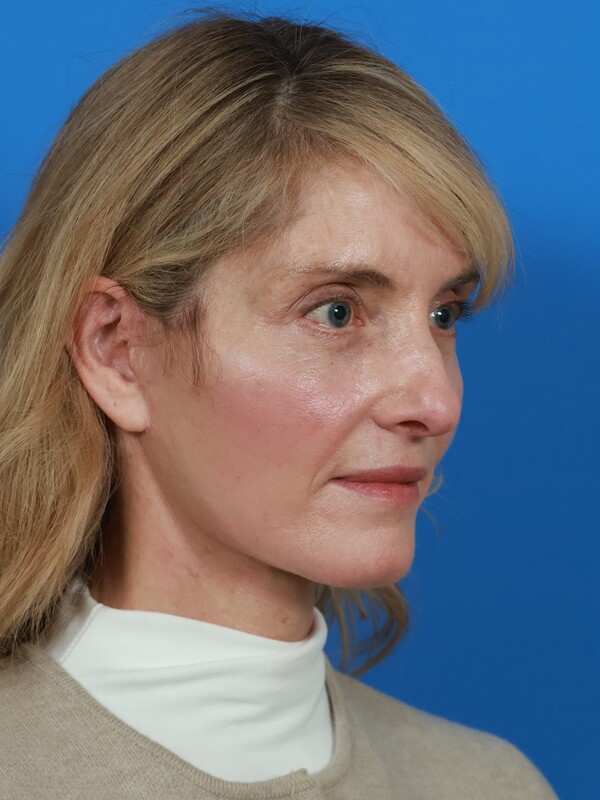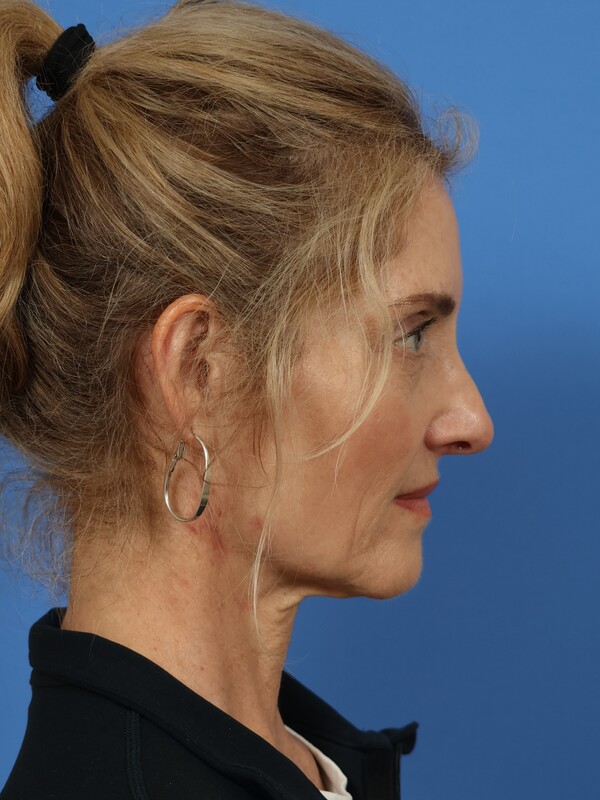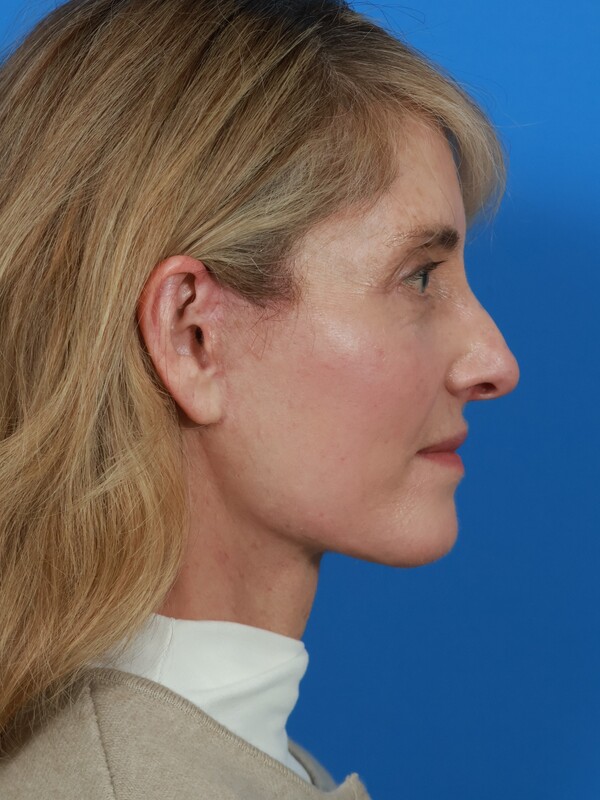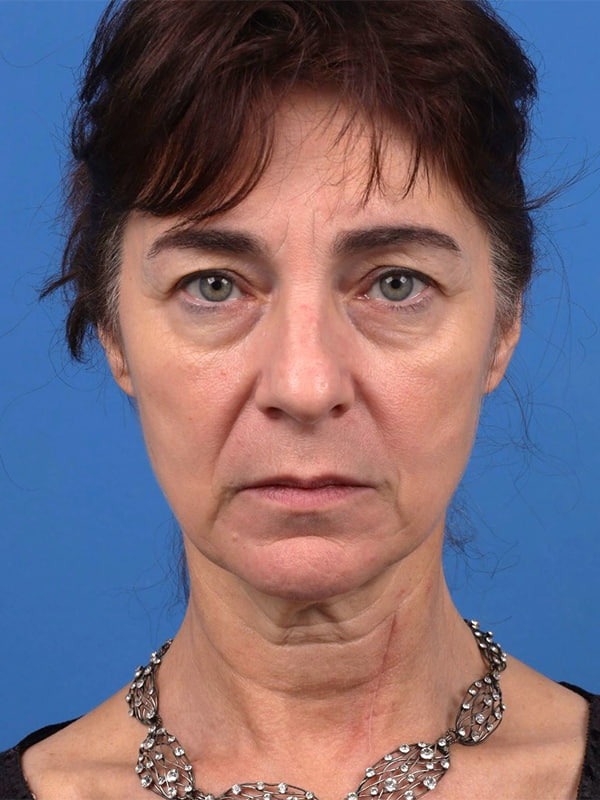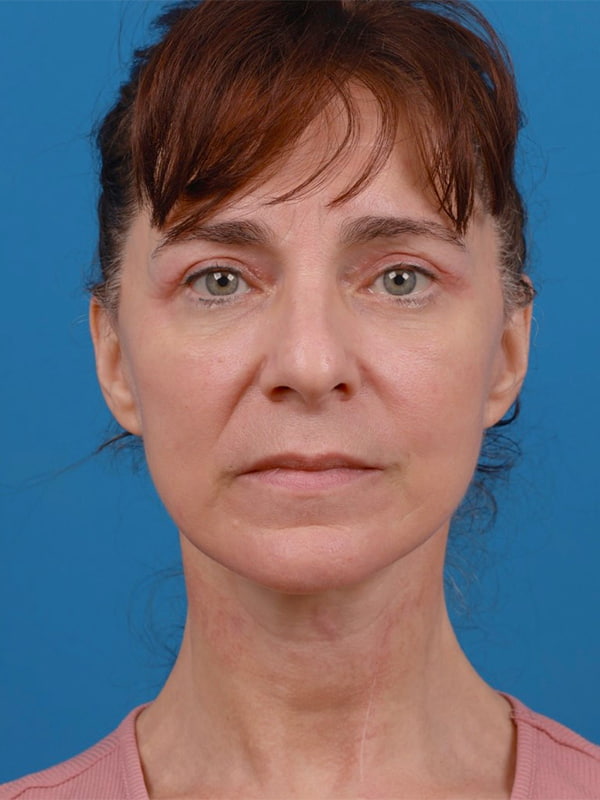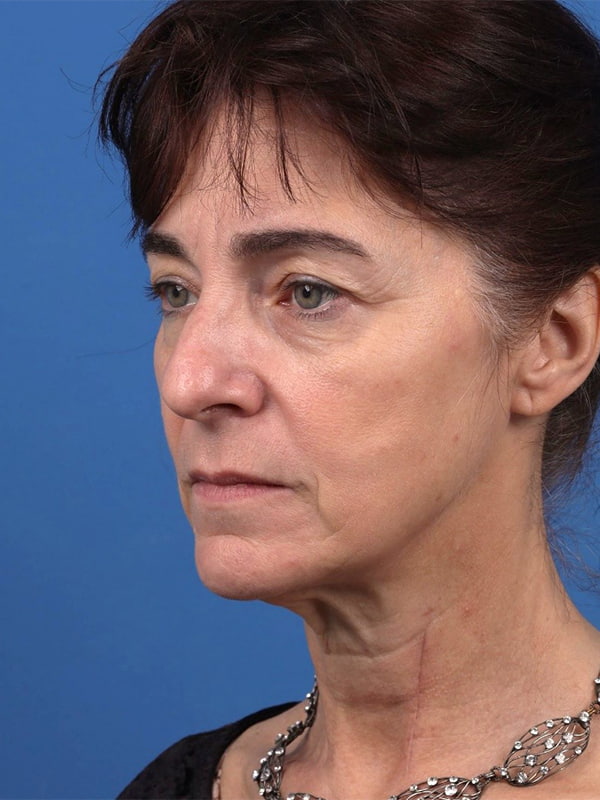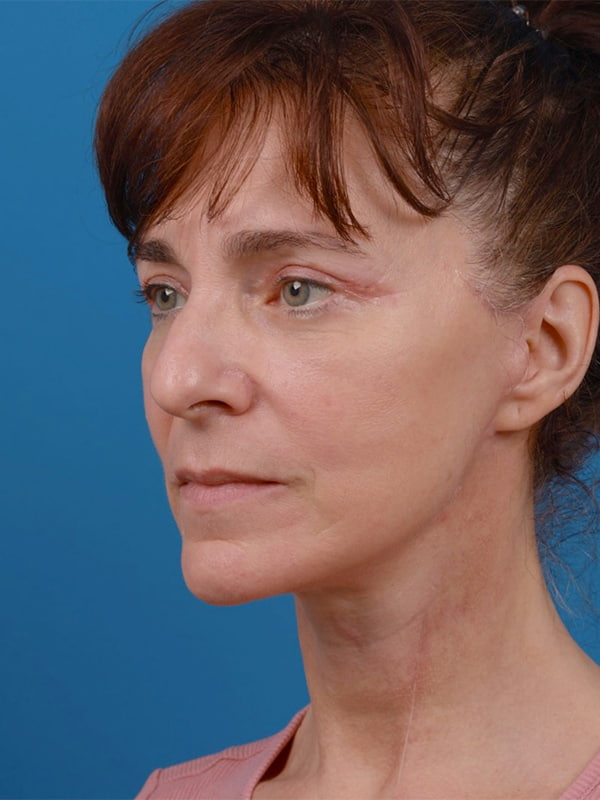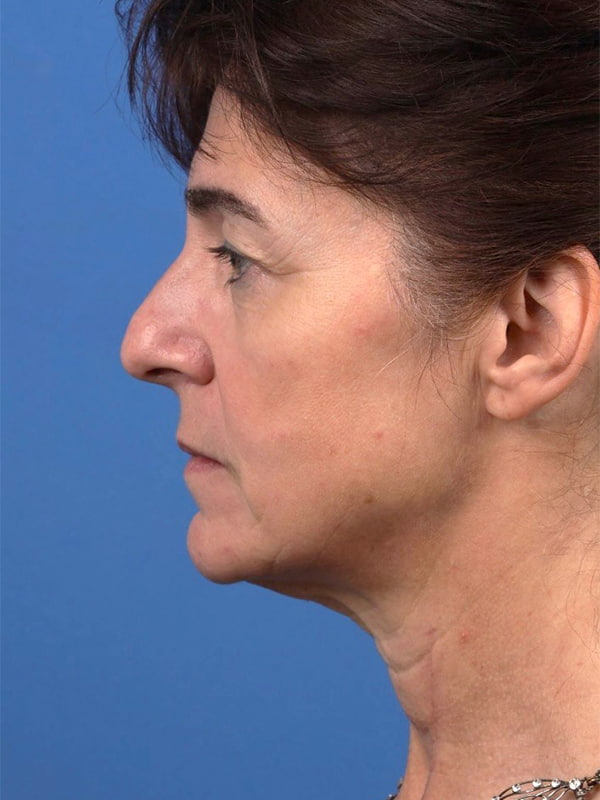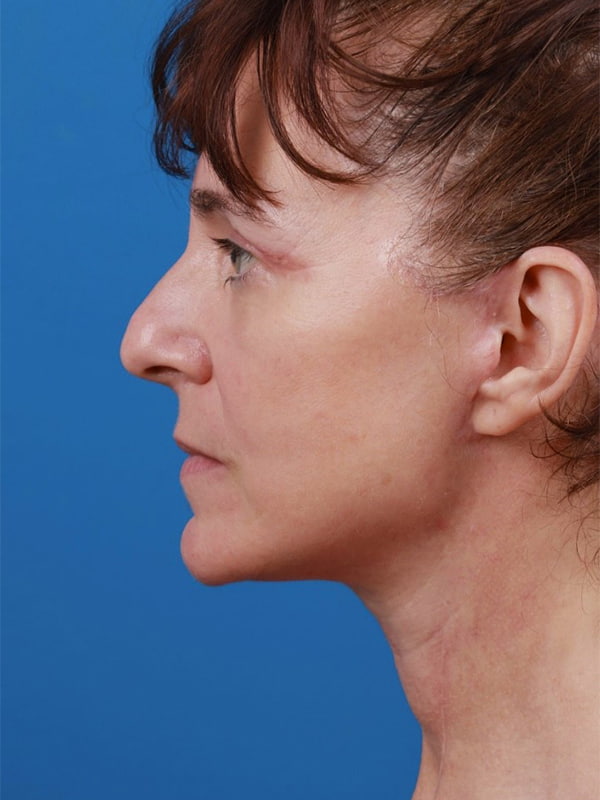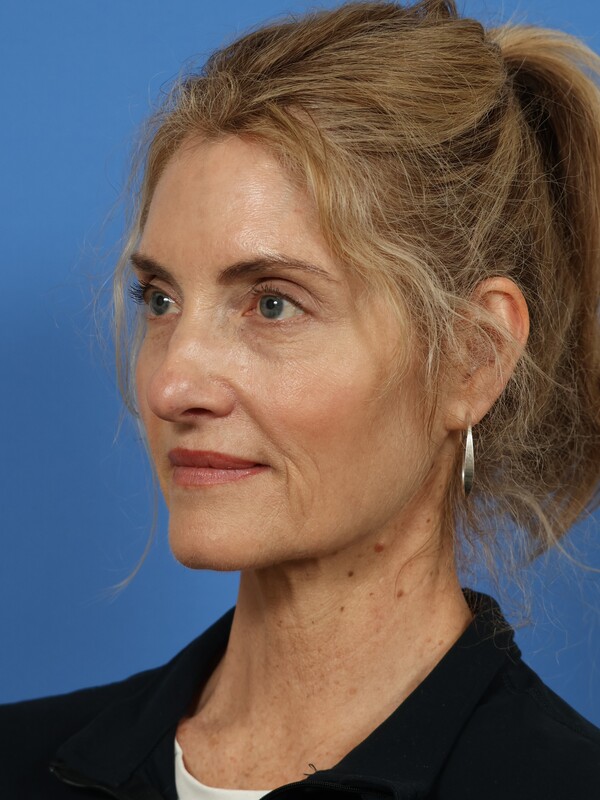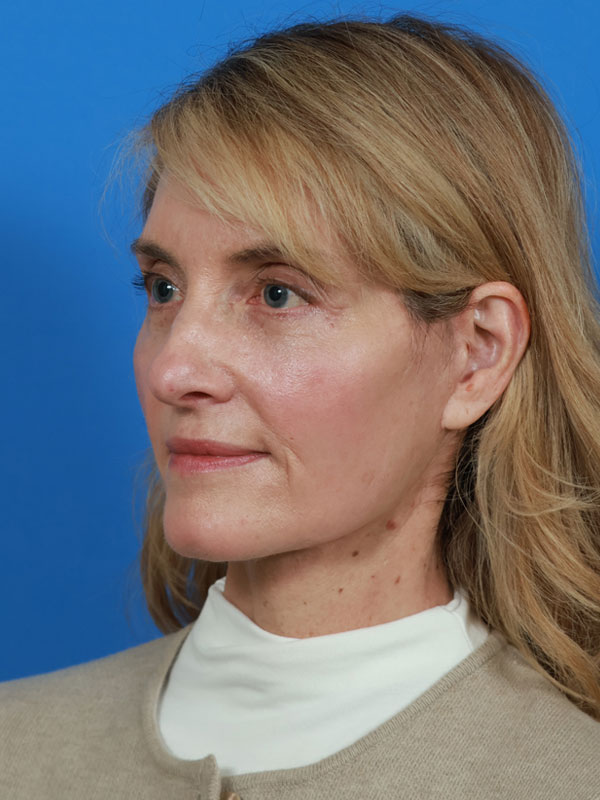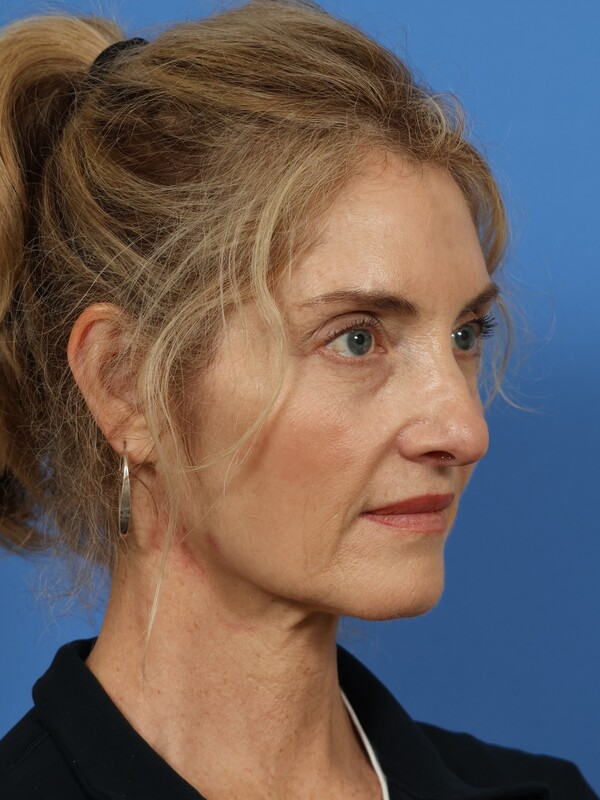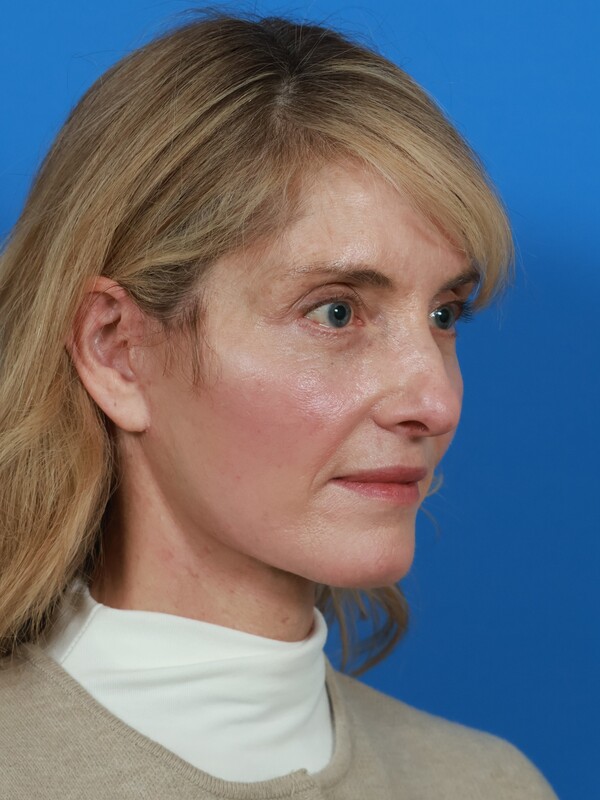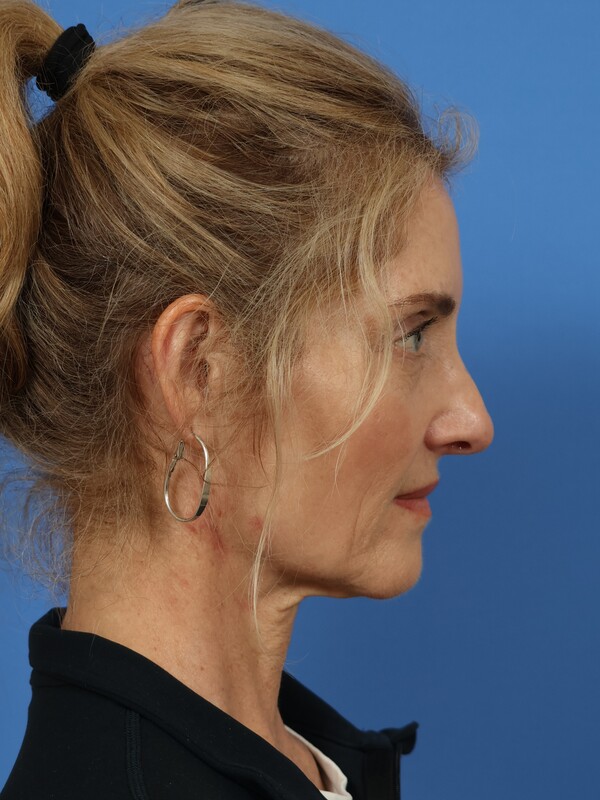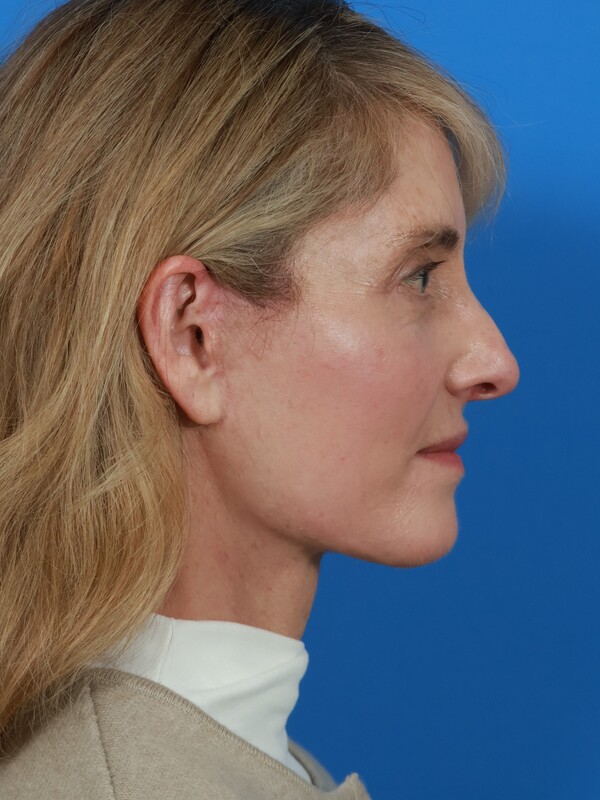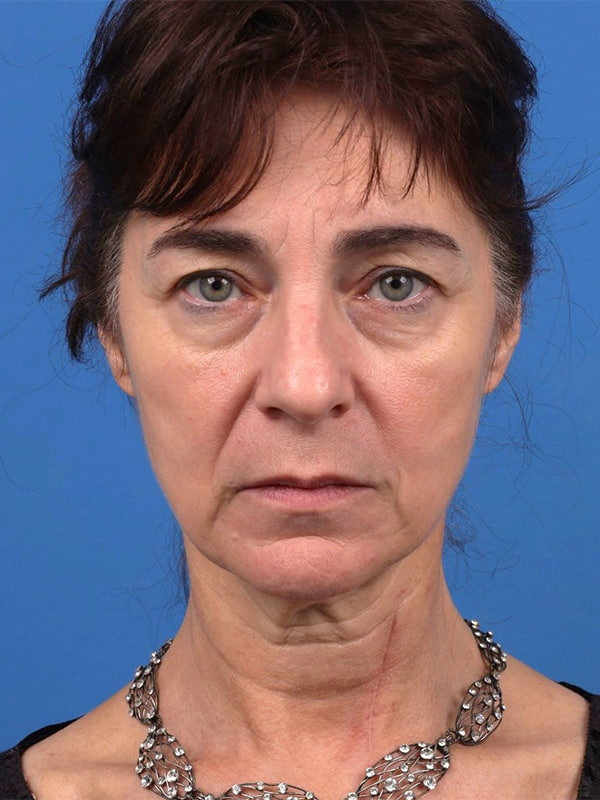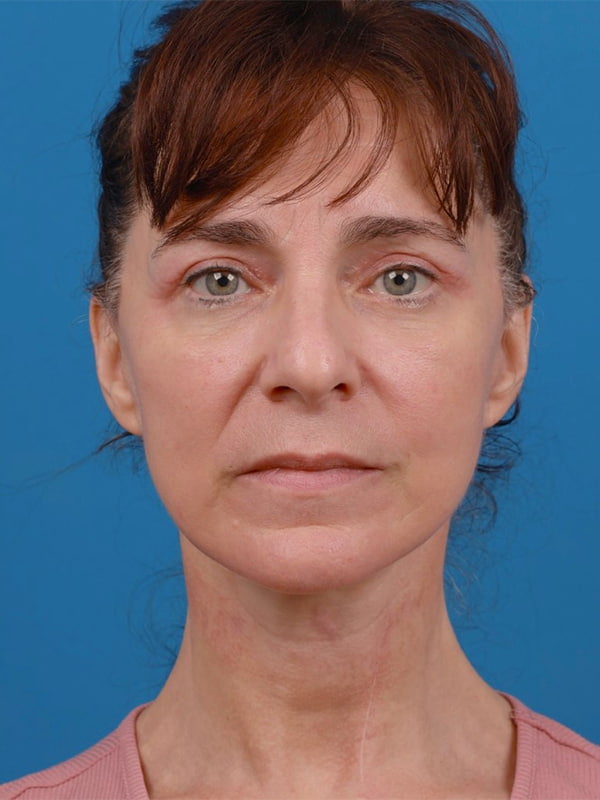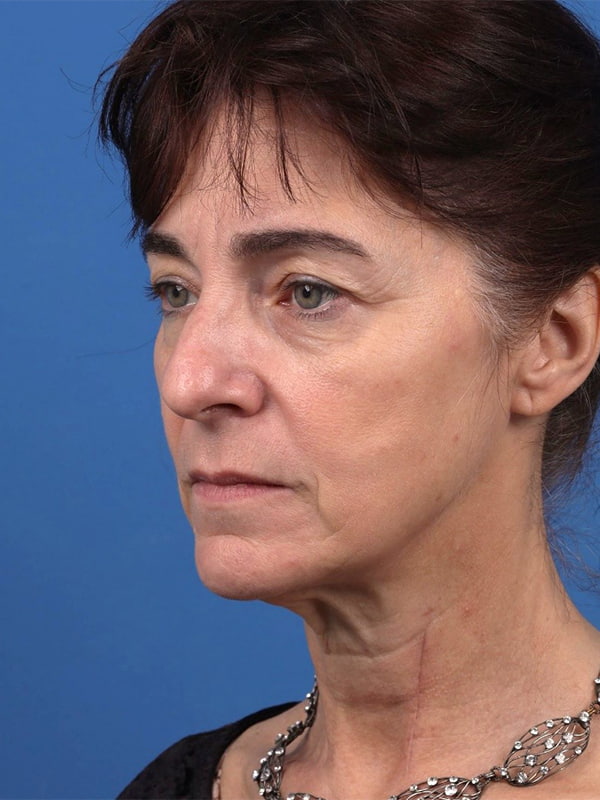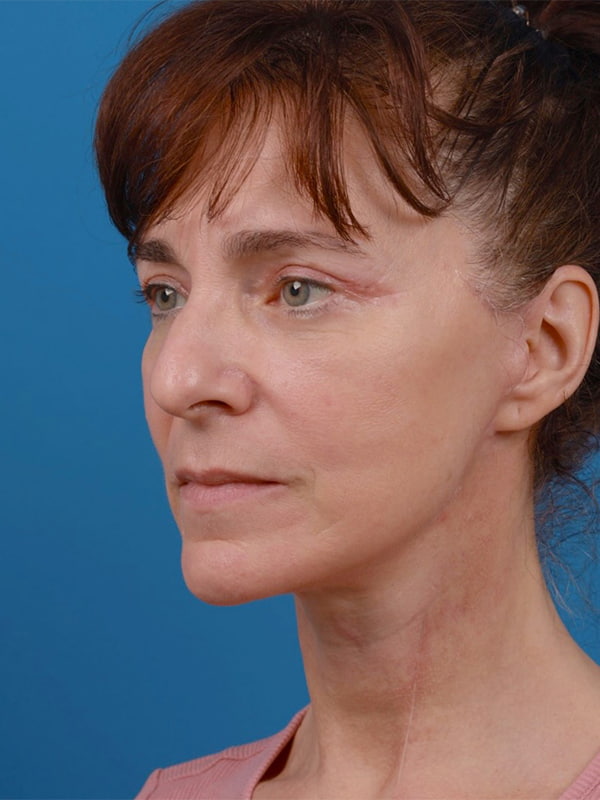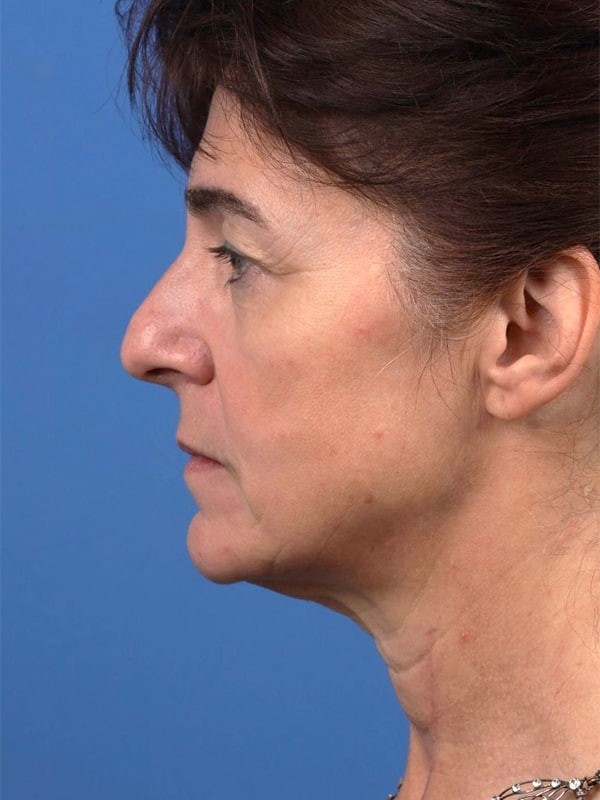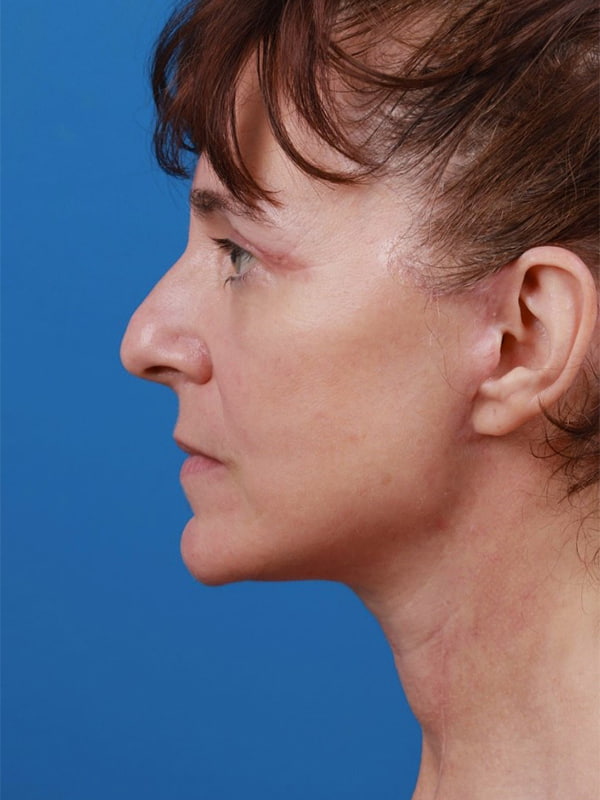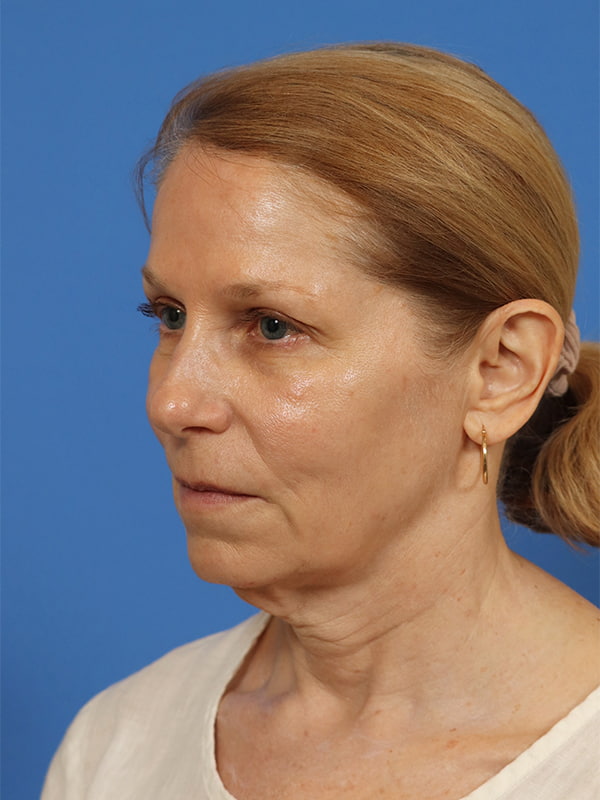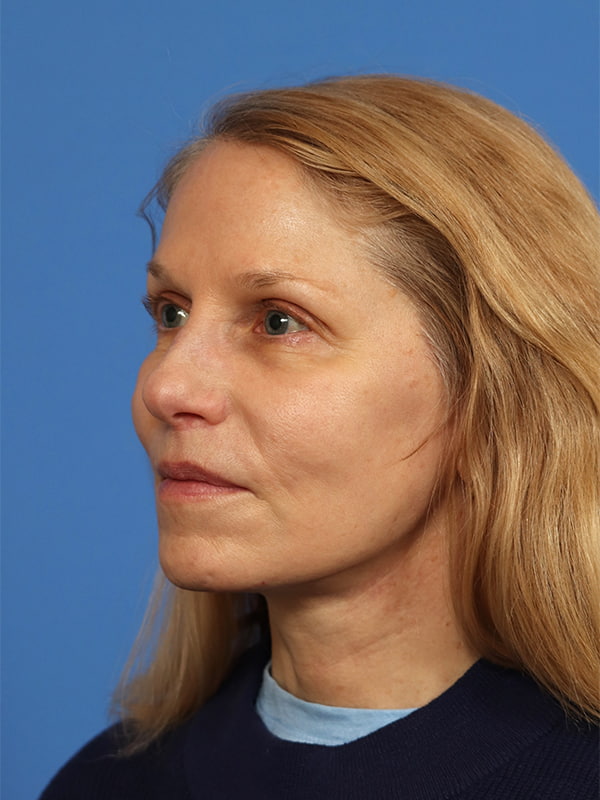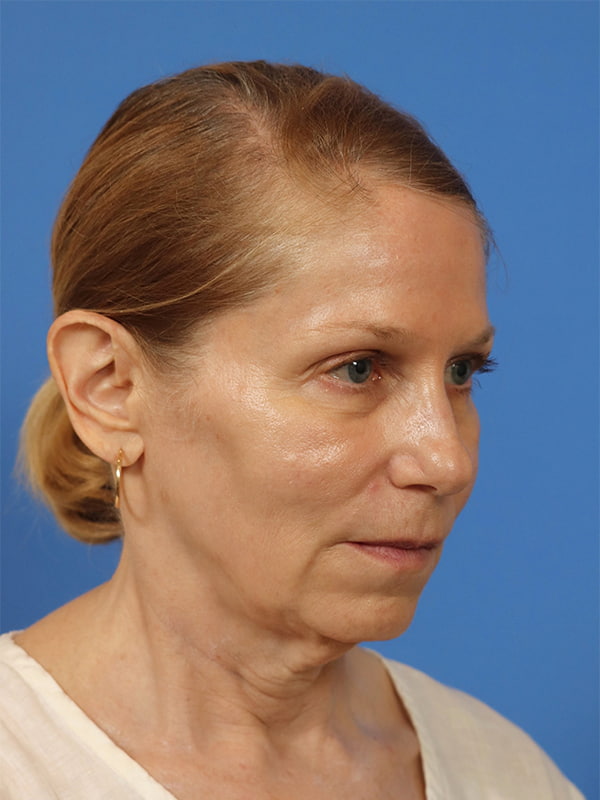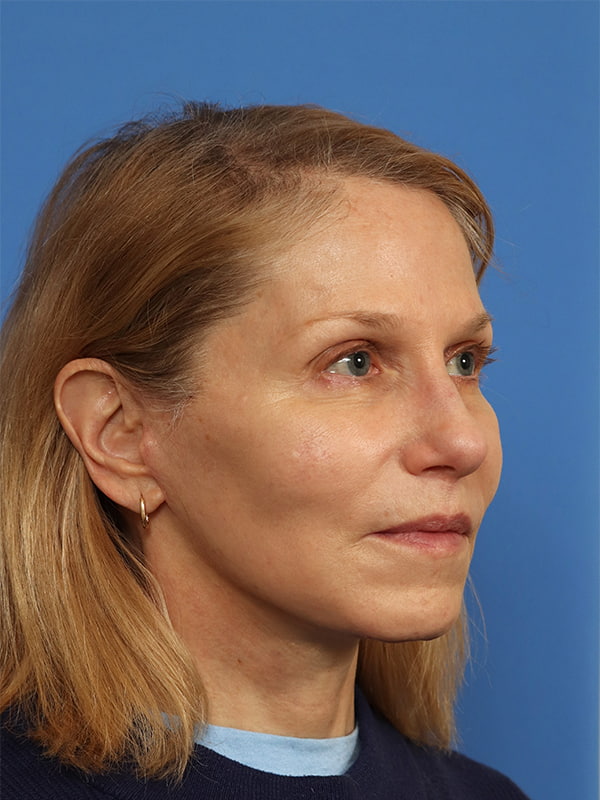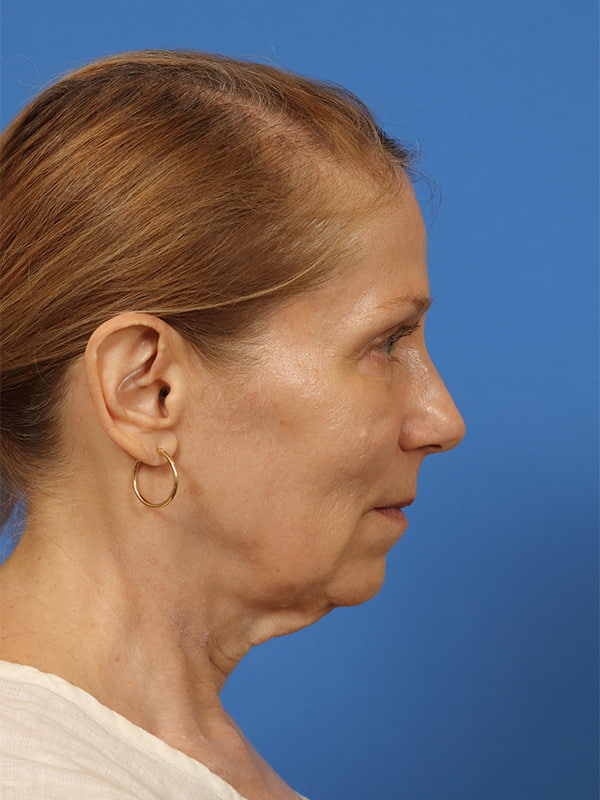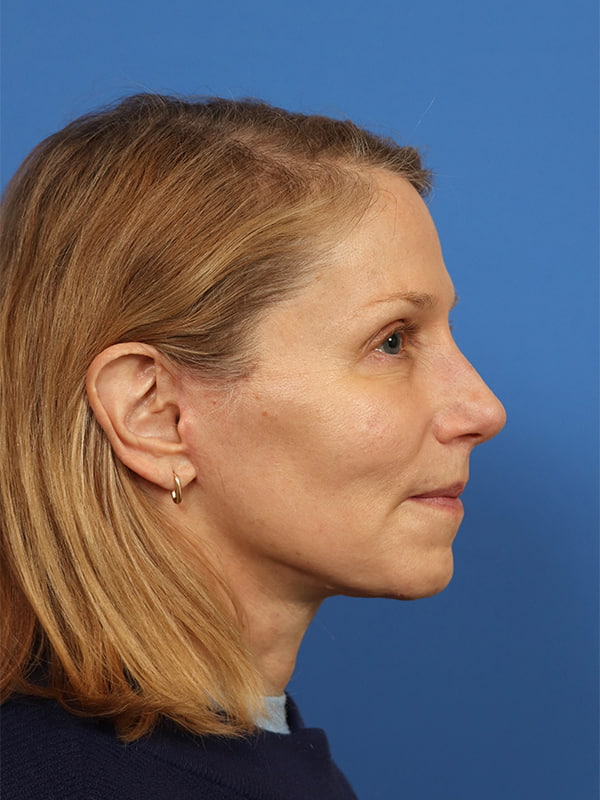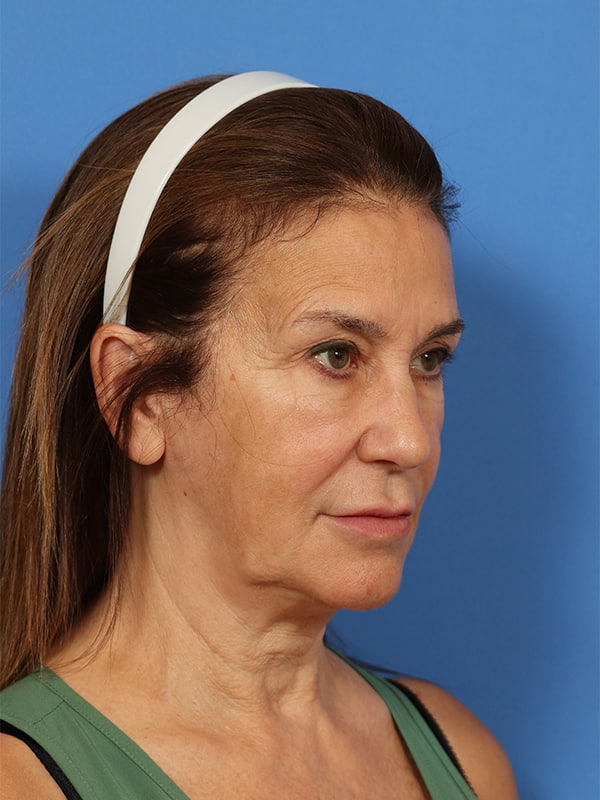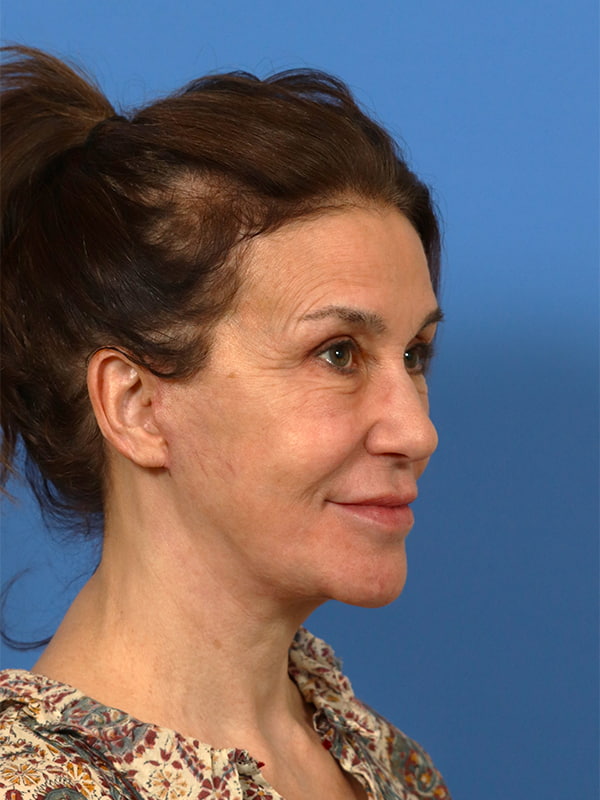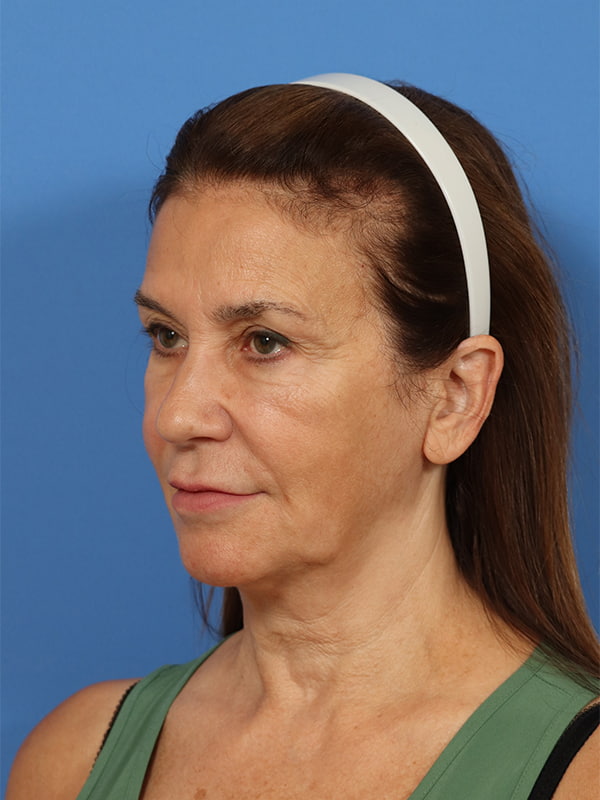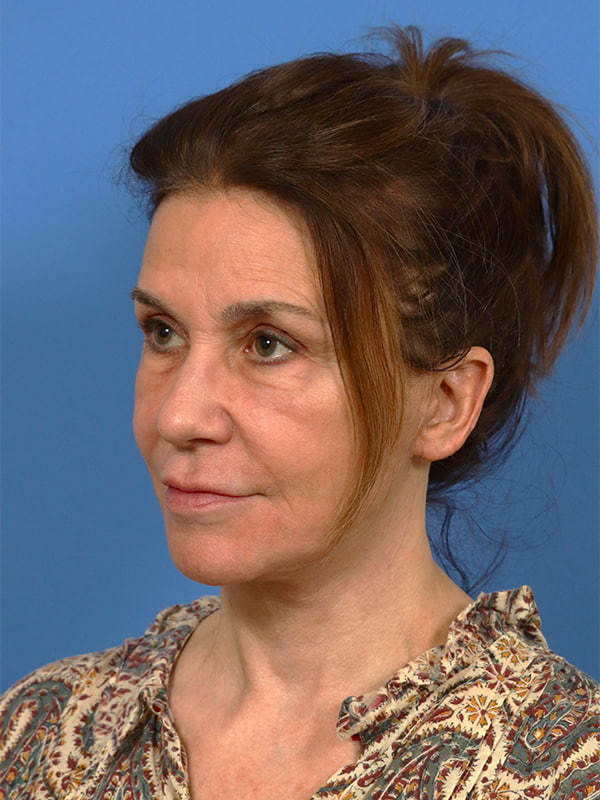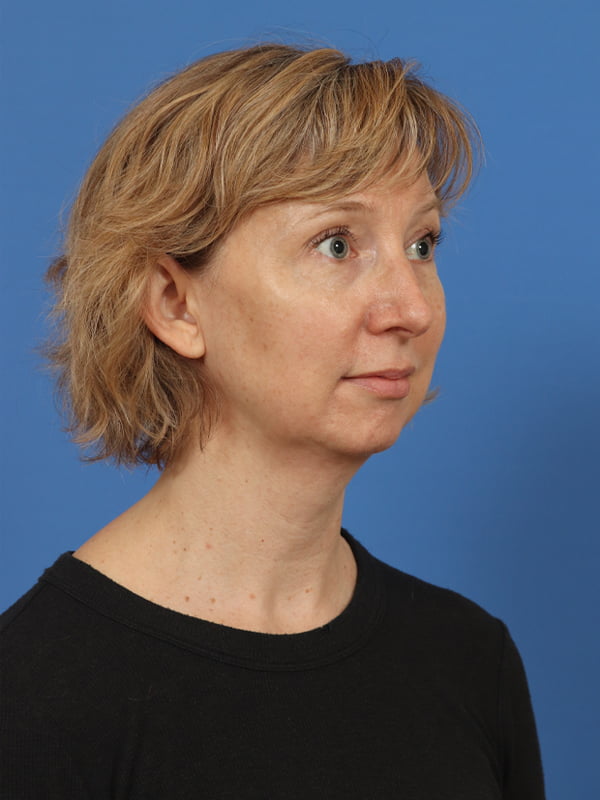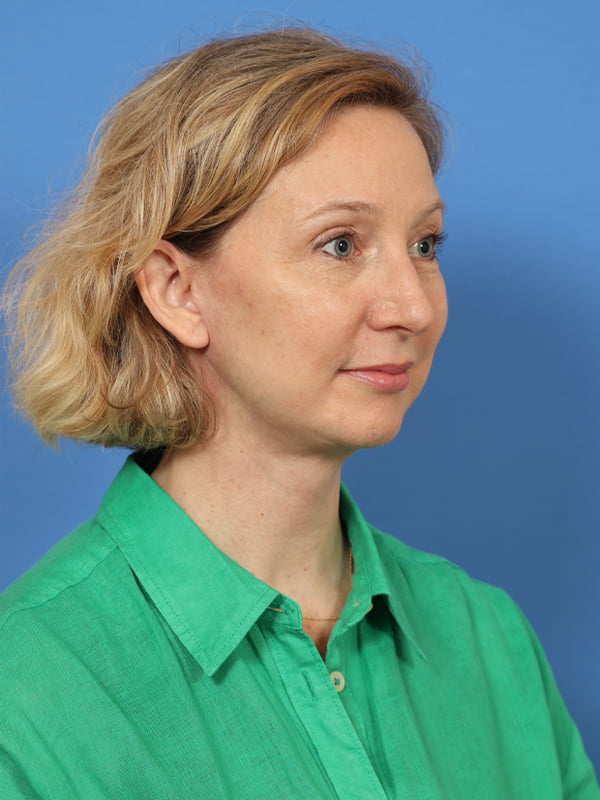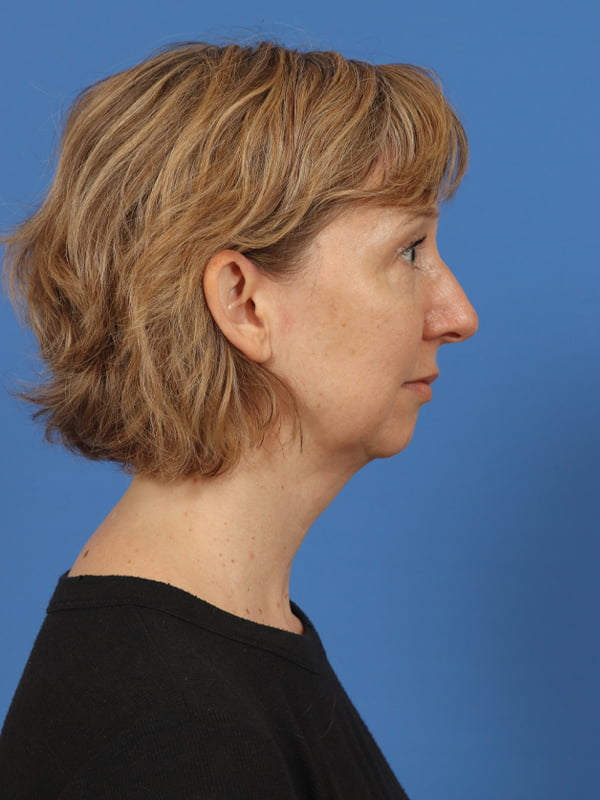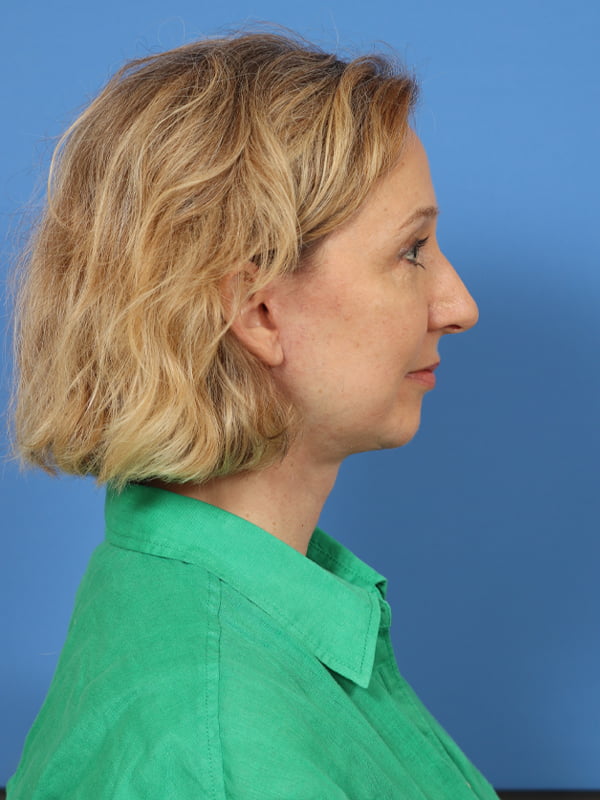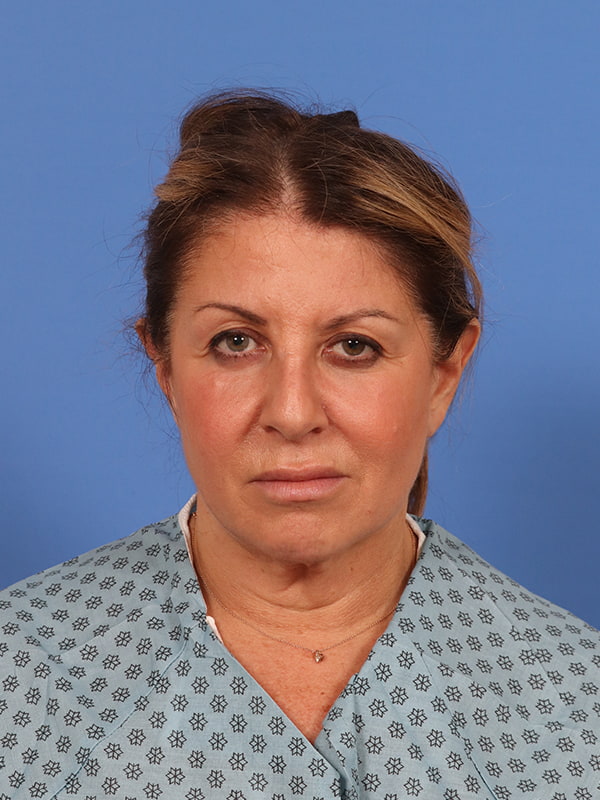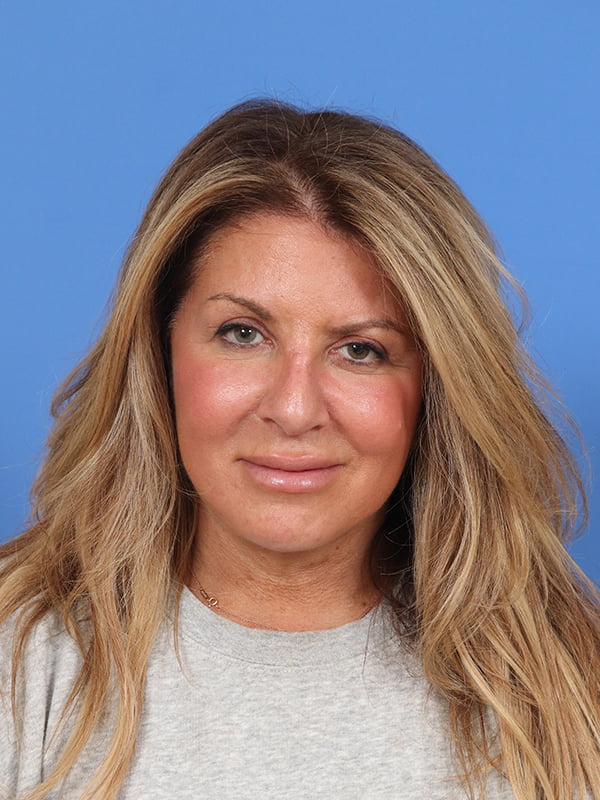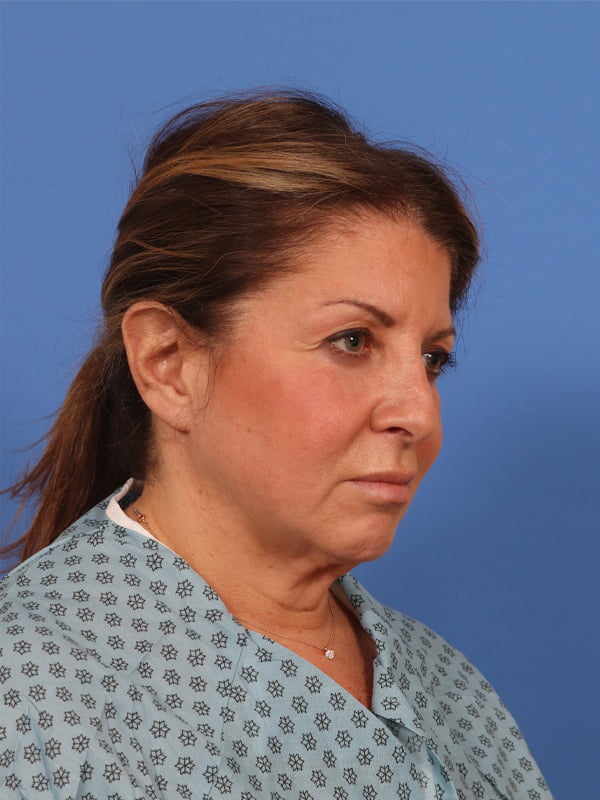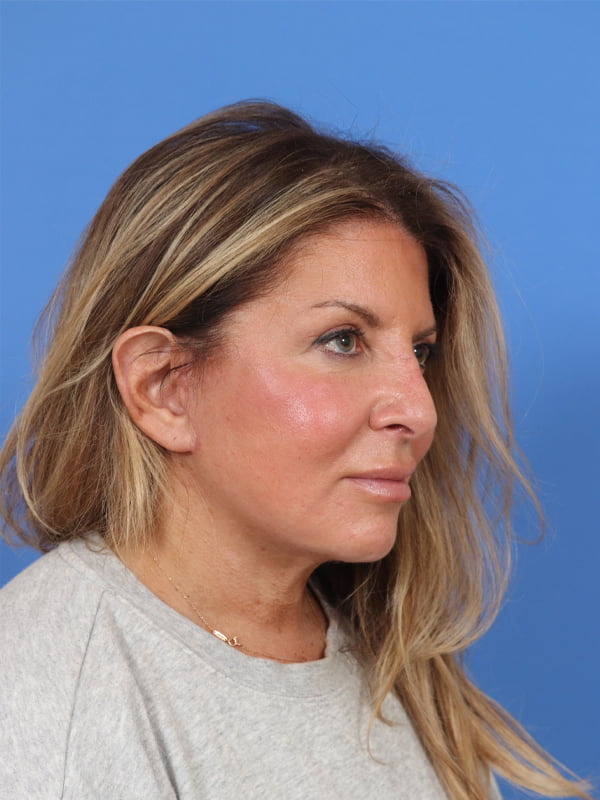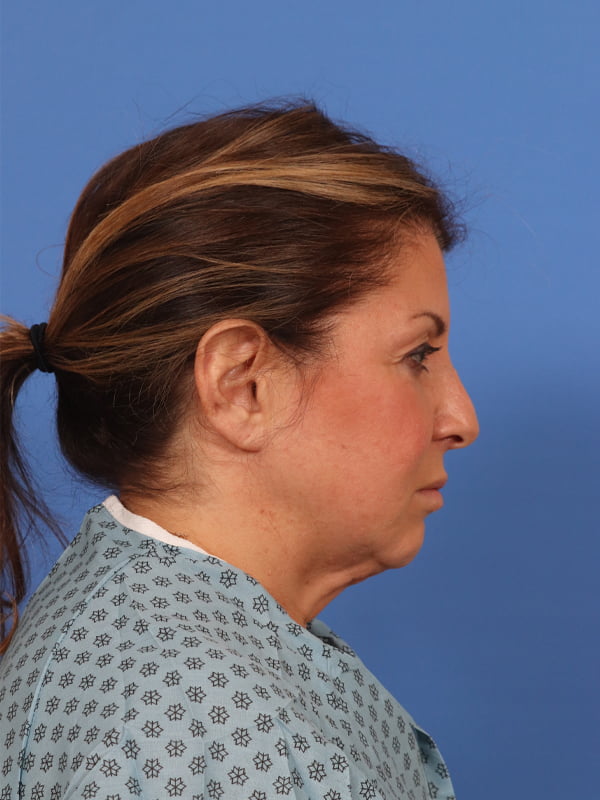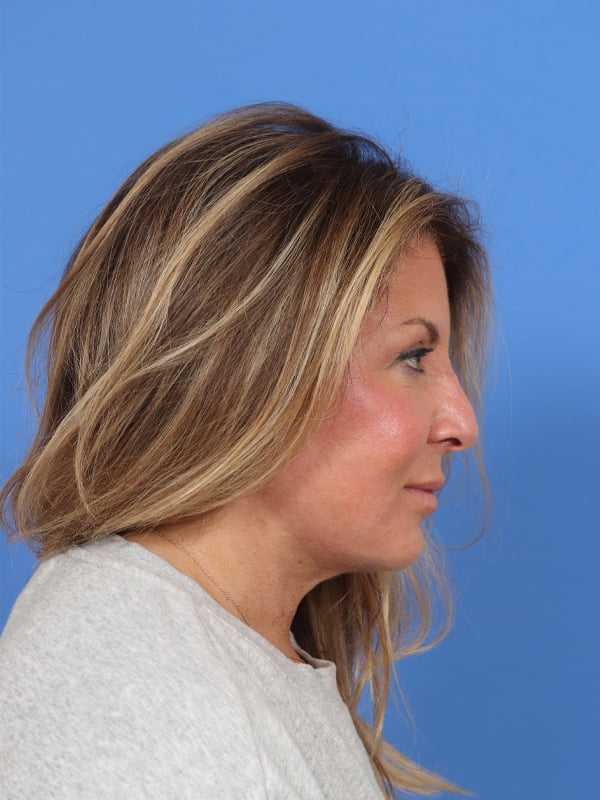

Facial aging is not limited to the surface of the skin. Over time, the cheeks and lower face may descend, the jawline can become less defined, jowls may develop, and the neck can lose its previous contour and firmness. A facelift addresses these changes by repositioning deeper facial tissues and removing excess skin to restore more youthful, natural facial contours.
At RENATA Facial Cosmetic Surgery, every facelift is individualized according to the patient’s anatomy, degree of aging, skin quality, and the areas where meaningful correction is desired. Some patients have earlier changes that can be addressed with a more focused lift, while others have more extensive aging involving the lower face and neck. The appropriate operation depends on the location and extent of these changes rather than simply on age or the name of the procedure. During a detailed consultation, Dr. Renata Khelemsky evaluates the face and neck as a whole to determine whether surgery is appropriate and which approach can best address the patient’s anatomy and goals.
 Swipe To Next
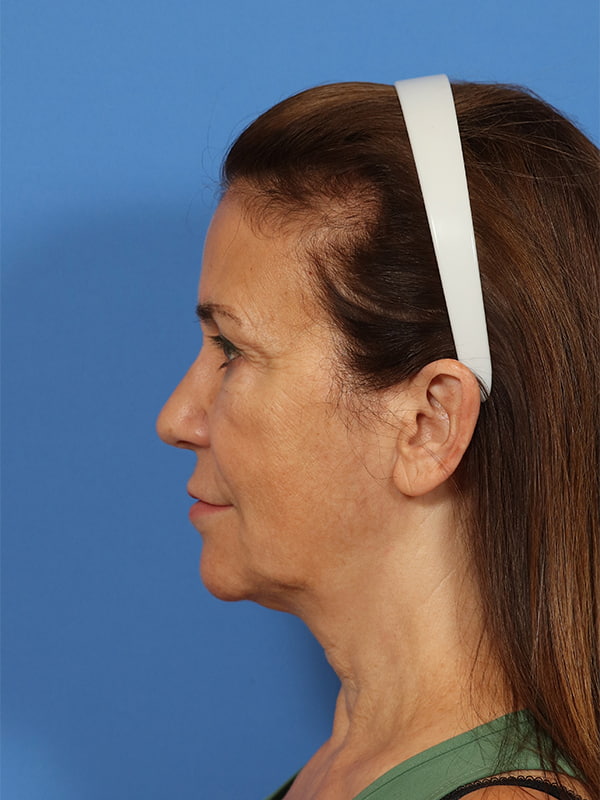
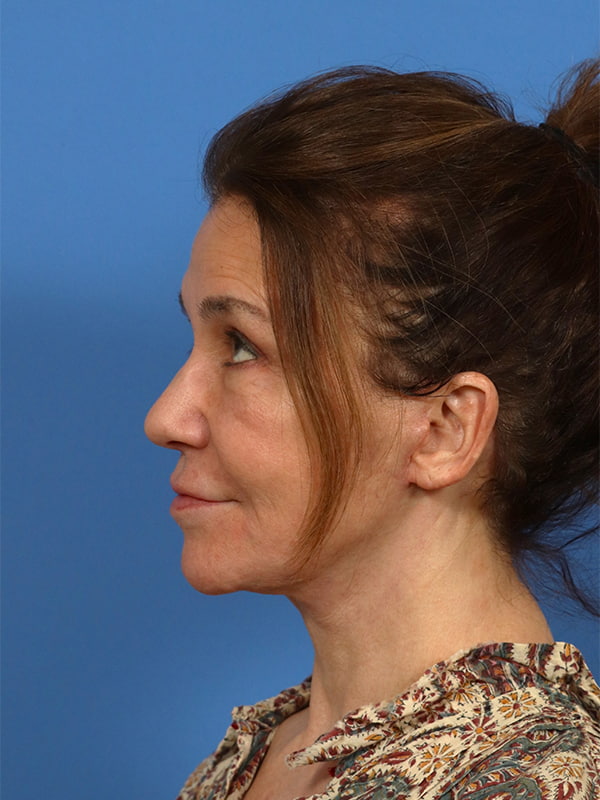
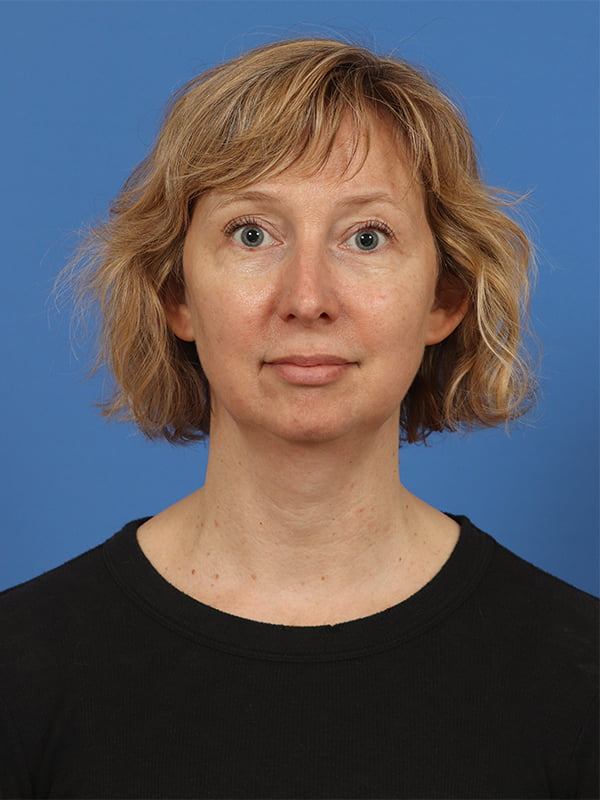
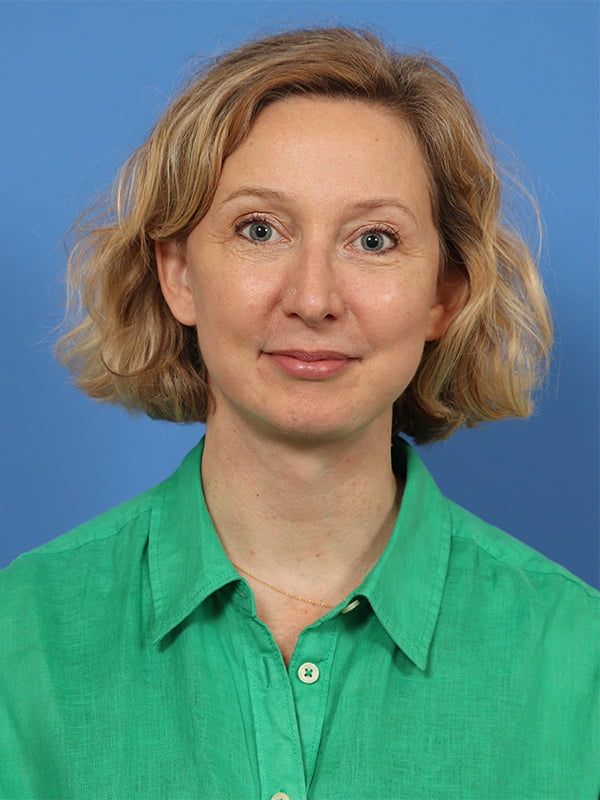
Facelift before and after photographs can help illustrate the changes that surgery can achieve, including improvement in jowling, lower facial laxity, jawline definition, and the transition between the face and neck. Each result reflects the patient’s individual anatomy, skin quality, degree of aging, and surgical plan. The goal is to restore contours that have changed with time while preserving the patient’s unique natural features. During consultation, Dr. Renata reviews these areas with each patient and explains which changes can be addressed with surgery based on their individual anatomy and goals.
A facelift, also known as rhytidectomy, is a surgical procedure designed to address visible signs of aging in the lower face and neck. Despite its name, a facelift often includes the neck because aging in these areas is closely connected. As facial tissues descend and the skin becomes less elastic, the lower face may develop jowls, heaviness, and loss of jawline definition, which can also affect the appearance of the neck. Facelift surgery therefore repositions the underlying tissues of the face and neck and redrapes the skin to restore more defined, youthful contours.
The extent of a facelift varies considerably from patient to patient. A more focused lift may be appropriate when aging is primarily limited to the lower face and jowls, while a more comprehensive lift may be appropriate when there is significant laxity involving both the face and neck. The surgical approach is determined by the patient’s anatomy, degree of tissue descent, skin quality, and overall facial structure. In this way, a facelift operation can range from a focused deep-plane facelift addressing the midface and jowls to a full deep-plane face and neck lift, depending on the changes being addressed.
There is no specific age at which a facelift becomes appropriate. Some patients begin considering facelift surgery in their late 30s or early 40s, while others may not develop enough structural laxity or excess skin to benefit from surgery until their 50s or later. More important than age is the nature and extent of the changes present in the lower face and neck, and whether nonsurgical treatments can still provide the degree of correction a patient is seeking.
Facelift candidacy is therefore determined by anatomy rather than age alone. During a consultation, Dr. Renata evaluates the face and neck as a whole, considering:
Standardized photographs are also used to evaluate the face from multiple angles and help patients better understand the changes being considered. Medical history, previous procedures, skin quality, and overall health are also taken into account when determining whether surgery is appropriate. The surgical recommendation is therefore based on a combination of factors rather than a patient’s age or a single feature.
Facelift surgery is described using many terms, including “mini facelift,” “vertical facelift,” and other procedure names used throughout online media and marketing. These terms are not standardized and may describe different surgical techniques from one surgeon to another. As a result, comparing facelift procedures by name alone can be misleading, and facelift surgery is not simply a matter of selecting an option from a menu.’
The appropriate approach depends on which tissues have changed, where those changes are located, and how much correction is needed. Although facelift terminology varies widely, modern facelift surgery is fundamentally about repositioning and supporting the tissues affected by facial aging while preserving natural facial movement and proportions, rather than creating a pulled or over-operated appearance.
When aging is earlier or more limited, a more focused approach may be appropriate. For example, a mini facelift may be recommended when the primary changes are concentrated in the lower face and jowls, with relatively limited neck laxity. When laxity and tissue descent extend more substantially from the face into the neck, a more comprehensive face and neck lift approach may be appropriate.
Patients sometimes seek a “neck lift, not a facelift” because their primary concerns are loose skin, fullness, or laxity in the neck, and they may worry that lifting the face will unnecessarily change their appearance. However, the lower face and neck are anatomically connected. As tissues descend with aging, the tissues of the neck and lower face are lifted and repositioned upward together. This movement extends into the lower face and helps restore the jawline as part of the same anatomical unit. Neck laxity is also frequently accompanied by jowling, because the tissues that have descended along the jawline and into the neck are interconnected. Excess neck skin is therefore not simply pulled backward behind the neck; it must be repositioned in relation to the lower face and jawline.
This is why a surgical neck lift cannot be considered completely separate from the lower face. If the lifting and repositioning of the tissues were to stop abruptly at the jawline or earlobes, the transition could create bunching or an unnatural contour because the surrounding tissues have also experienced age-related descent. The surgical approach must account for where the tissues have become lax and reposition them in a coordinated and anatomically appropriate manner. Evaluating and treating the face and neck together allows the tissues to be lifted more uniformly and helps preserve a natural relationship between the jawline, lower face, and neck.
At RENATA Facial Cosmetic Surgery, the surgical approach is determined by the patient’s anatomy and pattern of aging. Dr. Renata evaluates the location and extent of tissue descent, skin and deeper tissue laxity, jawline definition, neck anatomy, and the areas requiring correction. Some patients may be a candidate for a more focused lower face lift, while others may benefit from a comprehensive approach addressing the face and neck together. The specific approaches offered at RENATA Facial Cosmetic Surgery are outlined below, with the surgical recommendation individualized after a thorough evaluation.
The Mini Facelift at RENATA Facial Cosmetic Surgery is a deep plane approach that lifts the midface, lower face, and jowls. It is designed for patients whose aging changes are concentrated primarily in the face and jowls, without significant laxity or banding of the neck.
The incisions are placed around the ears without an incision under the chin, as this focused approach does not require direct access to or manipulation of the deeper structures of the neck. This allows the lift to remain focused on the mid and lower face, where minor to moderate skin laxity and earlier jowling are present. Although the Mini Facelift can provide some secondary improvement to the neck, it is not designed to adequately address more advanced neck aging.
The Mini Facelift offered by Dr. Renata Khelemsky is not simply a “short scar” procedure or one that relies on pulling the skin tighter. The deeper SMAS layer is released and repositioned as part of the deep plane approach, with the skin then redraped over the repositioned contours to minimize tension on the skin. When significant neck laxity, prominent neck bands, neck fullness, or more advanced facial aging are present, a more comprehensive Deep Plane Face and Neck Lift may be appropriate. This approach includes an incision under the chin to allow direct access to and treatment of the deeper structures of the neck. Whether a Mini Facelift is an appropriate approach is determined by the patient’s clinical examination and anatomy rather than by age alone.
A comprehensive face and neck lift addresses moderate to severe facial descent with jowling, loss of jawline definition, and significant neck laxity. As with the Mini Facelift, the procedure uses a deep plane approach to reposition the deeper facial tissues rather than relying primarily on skin tension. Incisions are placed around the ears as well as under the chin, allowing direct access to the deeper structures of the neck, including the central platysma muscle and subplatysmal structures. This approach can provide comprehensive correction of the cheeks, lower face, jawline, and neck when these areas have developed more advanced age related changes.
The comprehensive face and neck lift offered by Dr. Renata is most commonly performed using a deep plane approach that releases and repositions the SMAS to create a natural and effective lift. The extent of the lift is individualized according to the patient’s anatomy, skin quality, degree of tissue descent, and areas requiring correction. In some cases, the surgical technique may be modified based on the patient’s anatomy, previous procedures, or safety considerations. In select circumstances, a modified SMAS approach may be more appropriate than a traditional deep plane dissection. The specific surgical plane and technique are determined by the patient’s anatomy and surgical needs rather than dictated by the procedure name alone.
A Direct Neck Lift, also known as a direct submentoplasty, is a specialized procedure designed to address significant excess and laxity of the skin in the central neck, commonly referred to as a “turkey neck.” Rather than using incisions around the ears, the procedure uses a carefully designed incision directly along the front of the neck to remove redundant skin and address underlying muscle laxity. Because the resulting scar is located directly on the neck and may remain visible, this approach is most often considered in select men with naturally hair-bearing neck skin, where surrounding hair may help camouflage the incision.
A Direct Neck Lift may be appropriate for selected patients with pronounced, hanging central neck skin excess who may not desire a facelift or a more extensive face and neck lift. The location and visibility of the scar are important considerations when determining whether this approach is appropriate. Suitability is based on the patient’s anatomy, skin characteristics, goals, and willingness to accept a visible neck scar.
A facelift is designed primarily to address structural changes involving the face and neck. It can improve jowls, midface sagging, lower facial heaviness, skin laxity, jawline definition, and the transition between the face and neck. However, a facelift does not directly correct every aspect of facial aging. Changes involving the eyelids, brows, lips, chin, facial volume, and skin quality may require additional procedures or treatments.
During consultation, areas that can reasonably be improved with a facelift are distinguished from concerns that require a different approach or procedure. Depending on the patient’s anatomy and goals, additional procedures may be combined with a facelift as part of the same surgical plan.
Commonly combined procedures address concerns that are not directly corrected by the facelift itself, such as:
When appropriate, combining procedures allows different aspects of facial aging to be addressed together rather than treating individual areas in isolation. Restoring these features in a coordinated way can create a more balanced, cohesive, and natural appearing result.
Facelift surgery at RENATA Facial Cosmetic Surgery is performed under sedation and general anesthesia with a board certified physician anesthesiologist. Procedures are performed in a fully accredited operating room with the appropriate surgical and anesthesia resources for facial surgery. Dr. Renata does not perform facelift surgery under local anesthesia or use CRNAs for these procedures.
Safe recovery extends beyond the operation itself. Every patient has a defined plan for postoperative monitoring, discharge, transportation, and aftercare before surgery is scheduled. The goal is for patients to leave the surgical facility safely and with clear instructions and appropriate support for the early recovery period.
Preparation for facelift surgery begins with a thorough review of the patient’s medical history, medications, supplements, previous procedures, and overall health. Depending on the patient’s medical history and planned procedure(s), medical or specialist clearance may be required before surgery. Any necessary testing or clearance is coordinated in advance to ensure that the patient is medically appropriate for elective surgery and anesthesia.
Skin quality, healing factors, and any conditions that may affect recovery are also evaluated. Additional steps that may be recommended before facelift surgery may include:
Nicotine exposure can constrict blood vessels and reduce blood flow to the skin, which can interfere with healing after facelift surgery. This can increase the risk of delayed wound healing, wound separation, infection, skin loss, and more noticeable scarring. Dr. Renata reviews all past and current nicotine use and exposure before planning elective cosmetic surgery.
Patients are required to remain completely free of nicotine for eight weeks before and eight weeks after elective cosmetic surgery, including facelift surgery. This includes cigarettes, vaping, and all nicotine replacement products. When appropriate, screening may be performed in the office and again on the day of surgery to confirm that patients are optimizing their safety before proceeding. Given the known effects of nicotine on blood flow and wound healing, surgery will not proceed if nicotine exposure is detected.
All prescription medications, over-the-counter medications, vitamins, and supplements should be reviewed before surgery. Certain medications and supplements can increase bleeding or otherwise affect anesthesia, healing, or the surgical process. Patients should not independently discontinue prescribed medications without appropriate medical guidance. Specific instructions are provided as part of the preoperative process based on the patient's individual medications and health history.
Common examples that may require special consideration before surgery include:
Facelift recovery is gradual. The first few days after surgery focus on protecting the healing tissues, followed by a progressive return to normal activities as the face softens and settles.
Follow up visits remain an important part of recovery. Dr. Renata monitors healing and evolving contours and provides individualized guidance throughout the process.
Changes in facial contour are often noticeable as swelling and bruising begin to resolve, but the appearance of the face continues to evolve throughout the healing process. The tissues may feel firm or tight in the first few weeks, and residual swelling can obscure some of the underlying improvement. Many patients become increasingly comfortable with their appearance over the first several weeks, while more subtle changes continue for several months. The early postoperative appearance should not be considered the final result.
The timing of visible improvement also varies depending on the extent of surgery and individual healing. Patients undergoing a comprehensive face and neck lift may experience a longer period of swelling than those undergoing a more focused procedure. Additional surgeries such as Blepharoplasty and Lip Lift may also add additional local swelling. Follow up examinations help assess the progression of healing rather than judging the result at a single early point in recovery. Dr. Renata discusses the expected recovery timeline before surgery so patients understand the normal progression and how the plan their return to work and social activities.
A facelift creates a long lasting structural improvement, but it does not stop the aging process. On average, the benefits of a facelift remain apparent for about a decade, although the duration of the improvement varies from patient to patient. Aging resumes after surgery, so every patient will experience gradual changes each year as the skin and deeper tissues continue to age in response to the same factors that influenced them before surgery. The facelift result therefore evolves over time rather than remaining totally unchanged. The result therefore evolves over time rather than remaining unchanged and then suddenly wearing off. Genetics, sun exposure, weight changes, hormonal changes, skin quality, and other factors can influence how these changes progress.
Nonsurgical treatments may be useful over time for concerns that are not addressed by a facelift, such as skin texture, pigmentation, fine lines, facial movement, and changes in facial volume. Maintaining skin health, protecting the skin from excessive sun exposure, and continuing appropriate medical skin care and medspa treatments can help address and soften these ongoing changes and support the overall quality of the result. Some patients may eventually consider additional surgery, while others remain satisfied with their result for many years.
Facelift surgery and nonsurgical treatments address different aspects of facial aging. A facelift repositions and supports descended facial tissues, while injectables, laser treatments, and medical skin care address concerns such as facial movement, volume changes, fine lines, pigmentation, and skin quality. Nonsurgical treatments cannot reproduce the structural correction achieved through a facelift, but they can play an important role in maintaining and complementing the surgical result over time.
Long-term maintenance is an important part of preserving the overall quality of a surgical result. Patients who invest in facelift surgery should also expect to continue caring for their skin and addressing ongoing changes through appropriate medical skin care, laser treatments, and medspa treatments when indicated. The specific approach will evolve as the face continues to age, and consistent attention to skin health and nonsurgical maintenance can help the result continue to look natural and well cared for over time.
Facelift surgery, like any surgical procedure, carries potential risks and complications. While many complications are uncommon, it is important to understand what can occur before deciding to proceed. Potential complications include:
The risk of complications is influenced by the patient’s health, anatomy, skin quality, nicotine exposure, previous procedures, and the extent of surgery. Surgical technique and surgeon experience also play an important role. Facelift surgery requires detailed knowledge of the anatomy of the face and neck, careful patient selection and planning, and precise handling of the skin and deeper tissues. Experience is particularly important when managing variations in anatomy or addressing complications should they arise.
Risk reduction begins before surgery with a thorough medical evaluation and appropriate preparation. Dr. Renata reviews each patient’s medical history, medications, nicotine exposure, previous procedures, and individual healing factors when developing the surgical plan. A detailed discussion of the potential risks, complications, limitations, and expected recovery takes place before surgery so that patients can make an informed decision about proceeding.
RENATA Facial Cosmetic Surgery provides surgeon-led care focused on enhancing each patient's unique features. With expertise, precision, and a commitment to innovation in aesthetic medicine, Dr. Renata Khelemsky tailors each service to the individual patient and the specific concerns being addressed. Facial cosmetic surgery is the focus of the practice, allowing consultation, treatment planning, and surgery to remain centered on the face and neck. Patients receive individualized attention throughout the process, from the initial consultation through postoperative care.
Located in DUMBO, Brooklyn, RENATA Facial Cosmetic Surgery serves patients from across New York City and beyond. The state-of-the-art facial aesthetic clinic provides a private, refined setting where individualized care and attention to detail are prioritized. The practice provides a professional and comfortable environment for both surgical and nonsurgical facial care, with an emphasis on continuity of care throughout the treatment process.
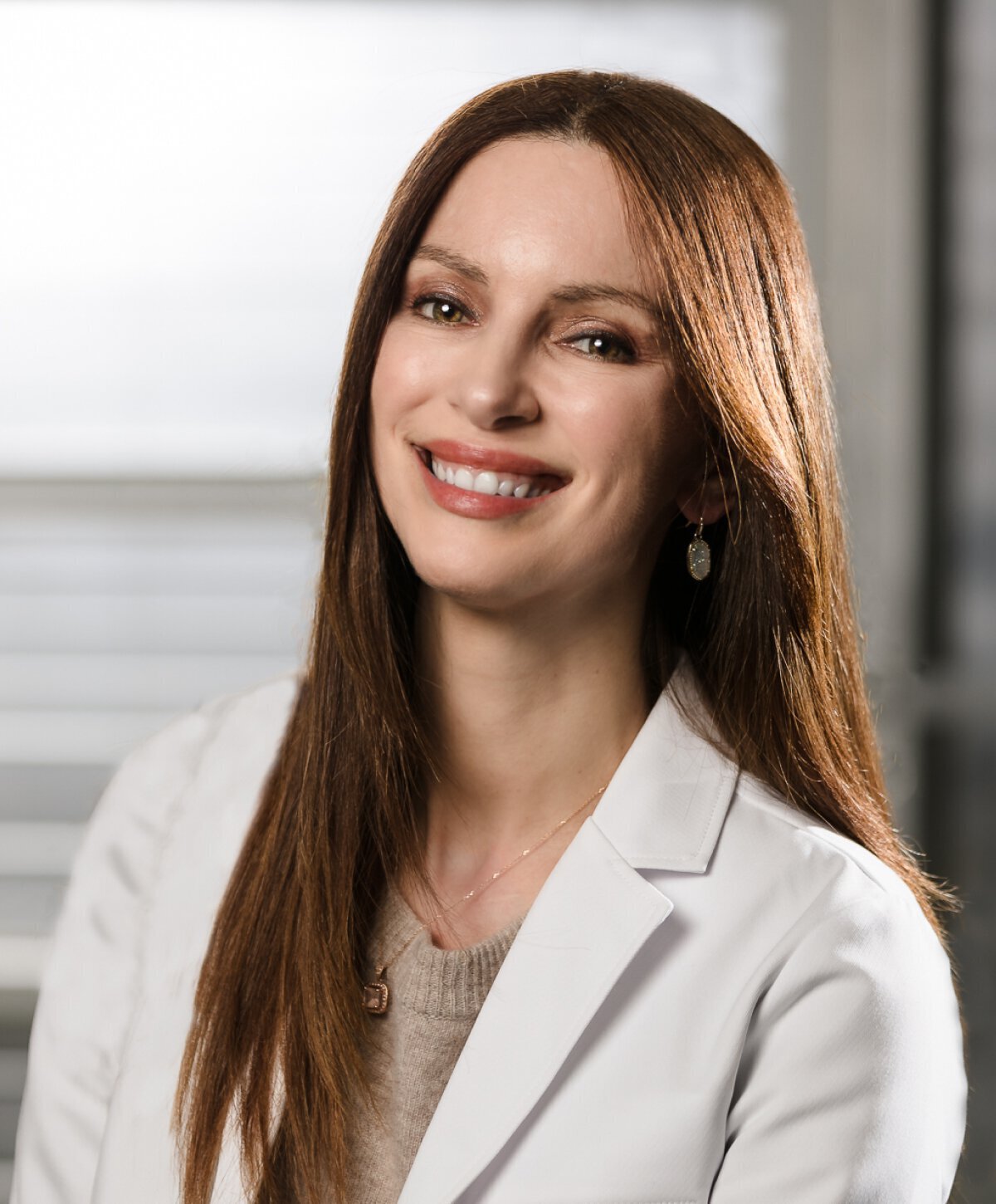
Dr. Renata Khelemsky is a double board-certified facial cosmetic and reconstructive surgeon who specializes in enhancing natural facial features. She is a Fellow of the American Academy of Cosmetic Surgery and a diplomate of the American Board of Facial Cosmetic Surgery. Her approach begins with a comprehensive evaluation of the patient's facial anatomy and the changes contributing to their concerns. Surgical planning is always tailored to one’s individual features and aesthetic goals.
A facelift consultation provides an opportunity to evaluate the face and neck together and determine whether surgery is appropriate. The consultation includes professional photographs and a comprehensive assessment of the patient’s anatomy, concerns, and goals. A customized surgical plan is developed based on the areas requiring correction and the goal of achieving natural, tasteful, and harmonious rejuvenation. The expected benefits, limitations, recovery, risks, and alternatives are reviewed in detail before the surgical plan is finalized.
To begin the process, call (646) 558-3757 or fill out the Surgery Pre-Consult Form. Surgical consultations are performed in person at RENATA Facial Cosmetic Surgery in New York City. Patients traveling to New York for surgery can also receive guidance regarding the consultation and surgical process. The practice's team will provide the appropriate next steps following submission of the pre-consultation form.
There is no universal minimum age for facelift surgery. Some patients begin developing meaningful lower facial laxity in their 40s, while others do not develop comparable changes until later in life. Facelift surgery may be appropriate when there is sufficient tissue descent, skin laxity, jowling, or other structural aging that can be meaningfully improved with surgery.
Candidacy depends more on the degree and location of tissue descent, skin quality, facial and neck anatomy, overall health, and whether surgery can provide meaningful improvement. Age is considered as part of the overall evaluation, but it does not determine candidacy by itself. The goal is to perform surgery when the anatomy and degree of aging support a predictable and worthwhile surgical correction.
A neck lift and facelift are closely connected because the lower face and neck are part of the same anatomical unit. In almost all cases, the term “neck lift” is used interchangeably with “facelift” because lifting the neck also affects the lower face. The tissues of the neck, including excess skin, are repositioned upward into the lower face, and the remaining skin is redraped and tailored around the ears. For patients with significant laxity extending from the lower face into the neck, this is typically addressed with a comprehensive Deep Plane Face and Neck Lift.
A more focused Mini Facelift may be appropriate when aging is primarily limited to the lower face and jowls, with minimal neck laxity or aging. Regardless of the procedure being considered, the face and neck are always evaluated together to determine the most appropriate approach.
At RENATA Facial Cosmetic Surgery, a Mini Facelift is a focused deep plane lower face and jowl lift intended for patients with earlier or more localized facial aging. It addresses the mid and lower face and jowls through incisions around the ears without an incision under the chin. This approach is designed for patients whose primary concerns are concentrated in the face and jowls, and who have relatively limited neck laxity.
A comprehensive Deep Plane Face and Neck Lift is designed for patients with more extensive tissue descent and laxity involving the face and neck. It includes an incision under the chin to allow direct access to the deeper structures of the neck for more advanced surgical manipulation. The distinction is therefore based on the location and degree of aging being treated, rather than simply on the length of the incision or the terminology used to describe the procedure.
Deep Plane and SMAS-based facelift techniques use different approaches to the deeper tissues beneath the skin. A Deep Plane approach releases specific facial retaining ligaments, allowing the deeper facial tissues to be repositioned as a unit. SMAS-based techniques may involve different methods of tightening, folding, or suturing the SMAS layer without releasing these ligaments.
Neither technique is universally appropriate for every patient. The choice depends on the patient’s anatomy, the location and degree of tissue descent, skin quality, previous procedures, and the correction required. The surgeon’s training, experience, and ability to execute the chosen technique also play an important role in the quality of the result. A Deep Plane approach may offer advantages in certain patients, but the appropriate technique should be determined by the patient’s anatomy, desired outcome, and surgeon’s experience, rather than the procedure name alone.
A facelift provides long-lasting structural improvement, but facial aging continues after surgery. On average, the benefits remain apparent for about a decade, although some patients experience a longer or shorter period of noticeable improvement. Every patient will experience gradual changes each year as the skin and deeper tissues continue to age, so the result evolves over time rather than suddenly wearing off. Some patients may eventually choose additional surgery, while others remain satisfied for many years without another facelift. If the original facelift provided insufficient correction or significant early relapse occurs within the first two years, a more limited surgical “tuck” may sometimes be appropriate.
Yes, a facelift can be combined with other cosmetic facial procedures to address areas that a facelift does not directly treat. Depending on the patient’s anatomy and goals, these may include upper or lower blepharoplasty, brow lift, lip lift, chin augmentation, fat grafting, or CO₂ laser resurfacing. The decision depends on overall health, anatomy, operative time, anesthesia, and recovery requirements, with each additional procedure serving a specific purpose within the overall treatment plan.
Nonsurgical treatments such as injectables, laser treatments, and medical skin care can improve certain aspects of facial aging, but they cannot reproduce the structural correction of a facelift. These treatments may be appropriate for earlier or more limited changes and can also complement facelift surgery over time. The appropriate approach depends on the type and extent of aging present.
Scars are an unavoidable part of facelift surgery and an inherent tradeoff for the structural improvement surgery provides. Facelift incisions are carefully placed around natural contours of the ears, within the hairline, and under the chin to make them as discreet as possible. Scars typically fade and soften as they mature, although their final appearance varies between patients. Proper wound care, minimizing tension, silicone scar therapy when appropriate, and sun protection can help optimize healing. CO₂ laser resurfacing is also frequently performed at RENATA Facial Cosmetic Surgery and may be incorporated into the surgical plan to help improve skin texture and scar appearance in appropriately selected patients.
Like any surgery, a facelift carries potential risks, including bleeding or hematoma, infection, scarring, changes in sensation, delayed wound healing, skin or tissue loss, asymmetry, facial nerve injury, and complications related to anesthesia. Individual risk varies based on factors including health, anatomy, nicotine exposure, previous procedures, and the extent of surgery.
Yes. A facelift changes the appearance of the face by repositioning tissues that have descended with age and removing excess skin. Modern facelift surgery is designed to create a meaningful but natural change, restoring definition and more youthful contours without creating a pulled, tight, or altered appearance. The goal is not to make the face look different from one’s younger self, but to restore it toward a more plausible, rested version of the patient’s existing features while preserving natural facial proportions and movement. The degree of visible change depends on the patient’s anatomy, the extent of aging, and the amount of correction required.
A natural-appearing facelift depends heavily on the surgeon’s technical skill, aesthetic judgment, and ability to understand what each patient needs rather than simply performing the same operation on everyone. A good result requires a strong lift of the deeper tissues rather than relying on pulling the skin. It also means recognizing which other areas of the face may need to be addressed so that one rejuvenated area does not look out of proportion with another.
The goal is to restore balance between areas that have aged differently while preserving the patient’s individual features and character. Just as importantly, the surgeon must understand when enough correction has been achieved and avoid over-operating, creating changes that look youthful and refined rather than tight, pulled, or noticeably altered.
Certain medical conditions and health factors may increase the risks of facelift surgery or general anesthesia and may need to be evaluated or optimized before surgery. A thorough review of medical history, medications, supplements, previous procedures, and overall health is performed before surgery, with medical clearance or additional testing required when appropriate.
Active nicotine use, inability to follow postoperative instructions, or unrealistic expectations may also make a patient unsuitable for elective facelift surgery. The decision to proceed is based on overall safety, the patient’s ability to participate appropriately in recovery, and whether the expected outcome is appropriate for the individual.
The cost of facelift surgery varies based on the type of facelift, extent of correction, surgeon’s experience, and geographic location. In New York, facelift surgeon fees commonly range from approximately $20,000 to $30,000, while more comprehensive procedures, including Deep Plane Face and Neck Lifts, may range from $40,000 to $60,000 or more. Additional costs for anesthesia, the accredited surgical facility, and postoperative care may apply depending on how fees are structured. These are general market ranges and are not a quote for an individual procedure. At RENATA Facial Cosmetic Surgery, the surgical approach and extent of correction are determined during an in-person consultation, followed by a detailed surgical proposal. Current general pricing ranges are available through the online Service Menu, and financing options may be available.
Patients considering facelift surgery should look beyond the procedure name and consider the surgeon’s training, board certification, experience with facial surgery, surgical photographs, accredited facility, anesthesia arrangements, and postoperative care. It is also important to understand how the surgeon evaluates different patterns of facial aging and why a particular technique is being recommended.
A thorough consultation should clearly explain the proposed procedure, expected correction, limitations, potential risks, recovery, and alternatives. Patients should also understand where surgery will be performed, who will provide anesthesia, and how postoperative care and follow up are handled before deciding whether to proceed.
At RENATA Facial Cosmetic Surgery, we prioritize privacy. While many Before & After photos are featured on our website and social media channels, we understand not everyone wishes to share them publicly. To respect our patients’ unique preferences, we invite you to explore a more comprehensive Before & After gallery during your consultation in our office.
Life can be demanding, and we understand. For patients who may be traveling, preparing for a last-minute occasion, or simply looking for a more exclusive experience without any inconvenience or delays, we are pleased to offer preferred patient scheduling. Patients may undergo a personal consultation as well as tailored cosmetic treatments during evening hours or weekends. Appointments are required and premium rates apply. Please call our office to inquire about preferred patient scheduling and allow us to create an exceptional experience just for you.
Contact UsAt RENATA Facial Cosmetic Surgery, patients receive excellent customer service, communication, personal attention, and scheduling flexibility. Located in the historical and breathtaking waterfront neighborhood of DUMBO, Brooklyn in New York City, our office serves local neighborhoods including Brooklyn Heights, Park Slope, Williamsburg, and Cobble Hill, as well as Manhattan and New York City at large.
Our office location is:
58 Prospect Street, Brooklyn, NY 11201
Monday - Friday: 8:30AM to 4:30PM
Saturday (by appointment only): 9:30AM to 2:30PM