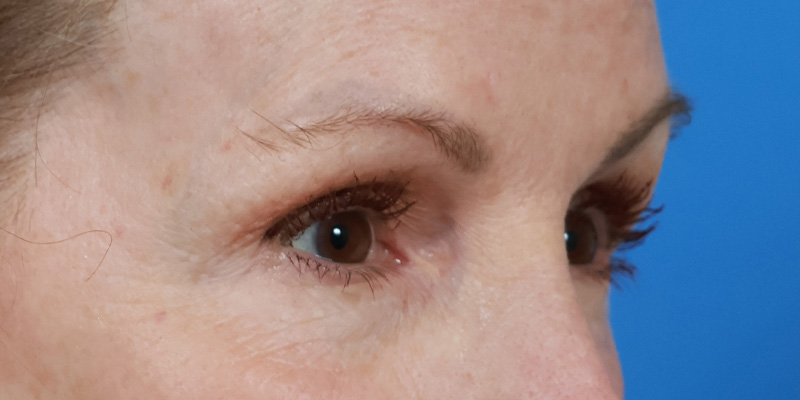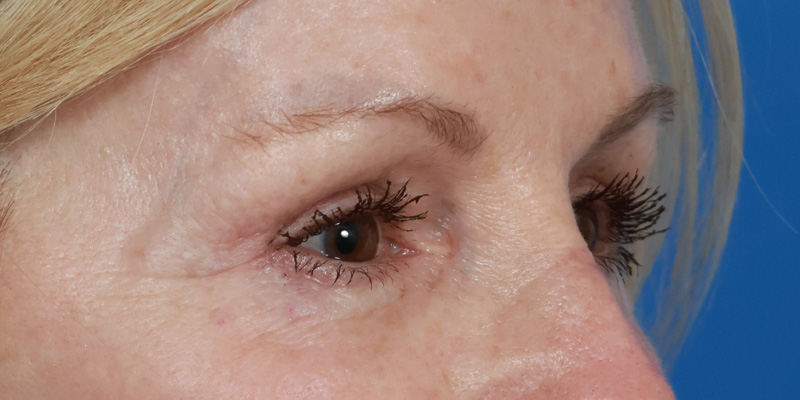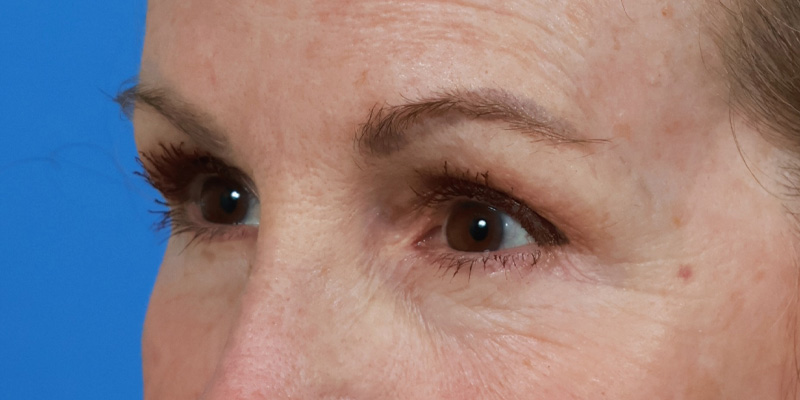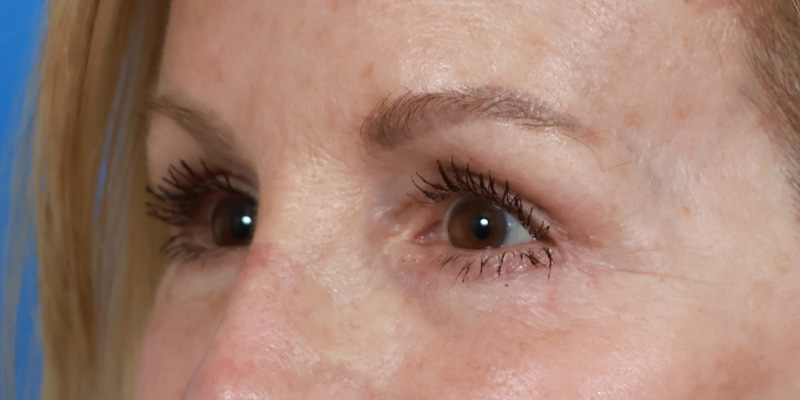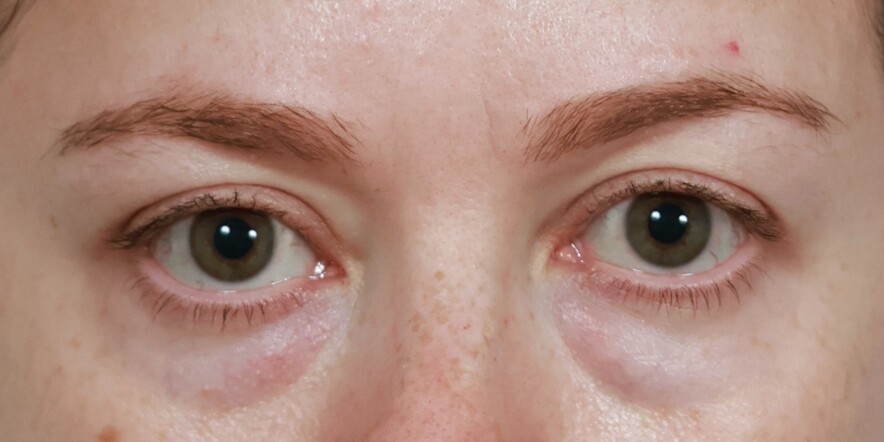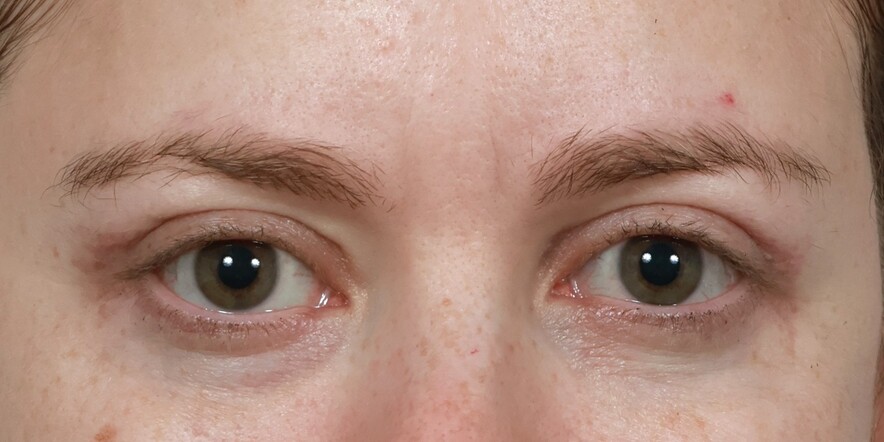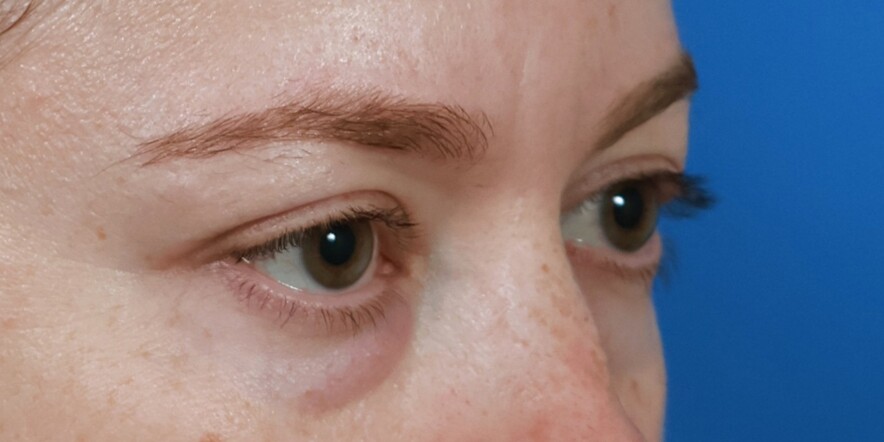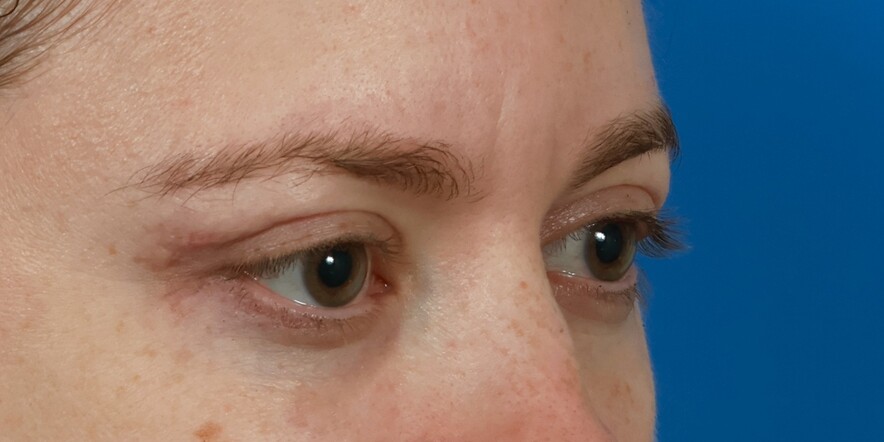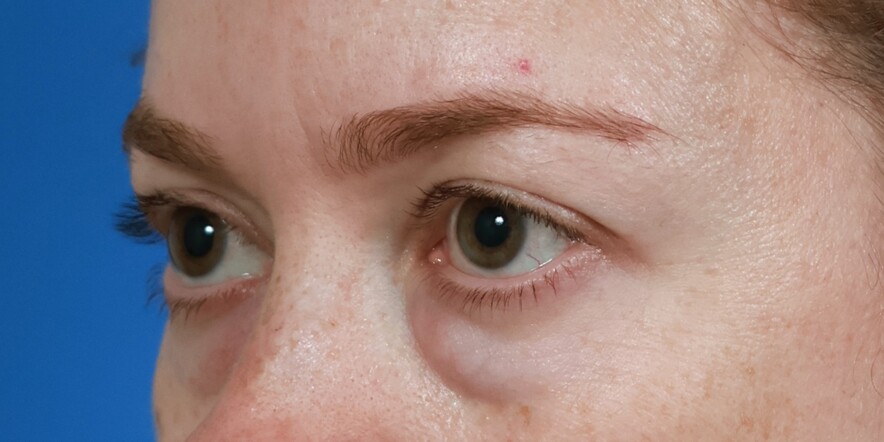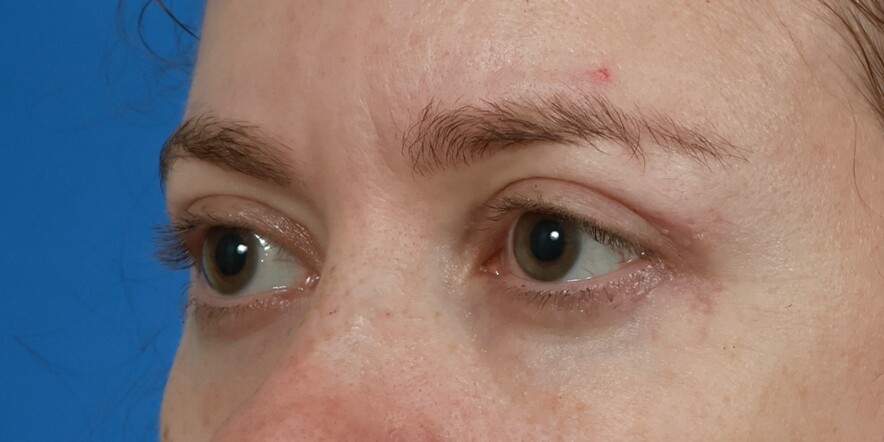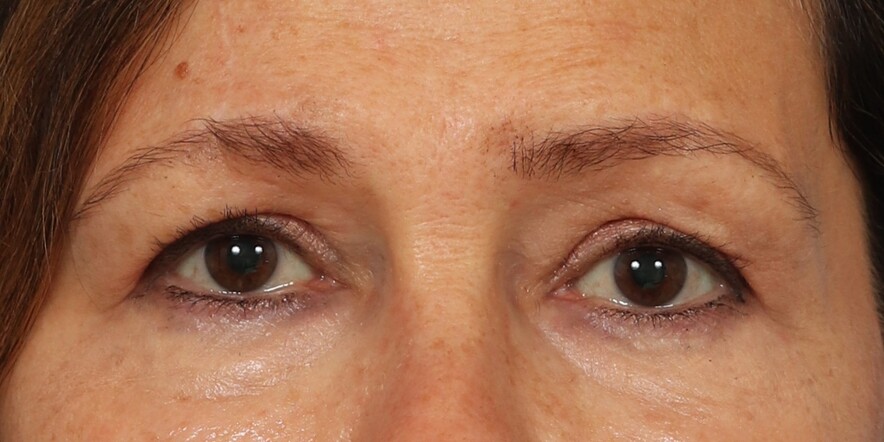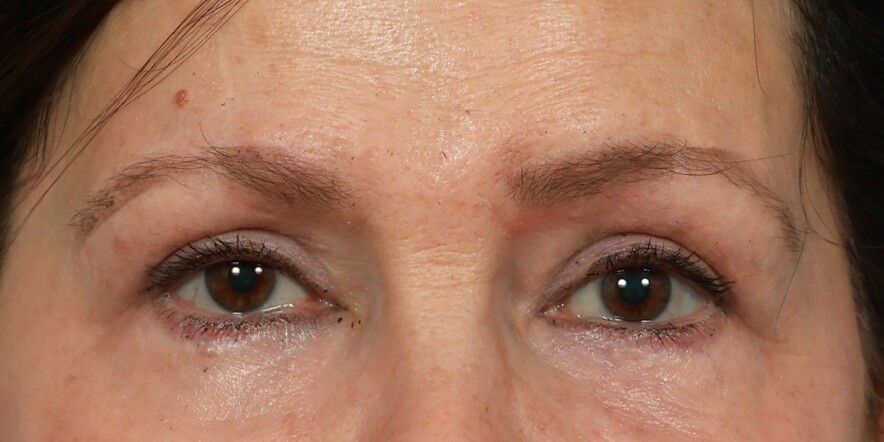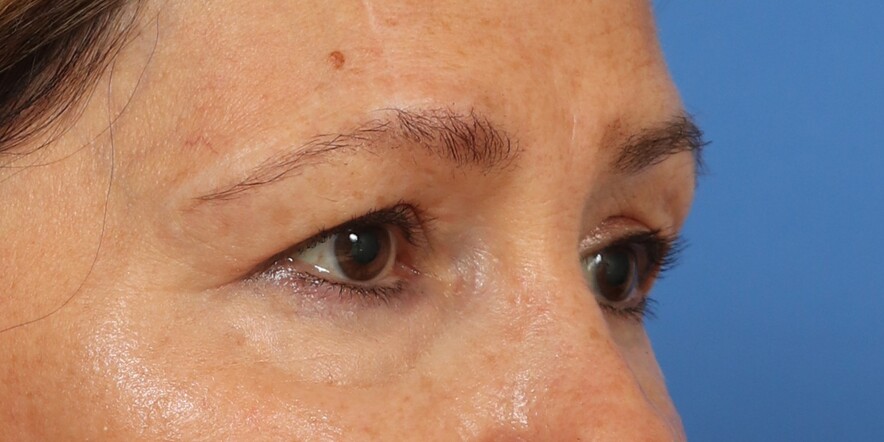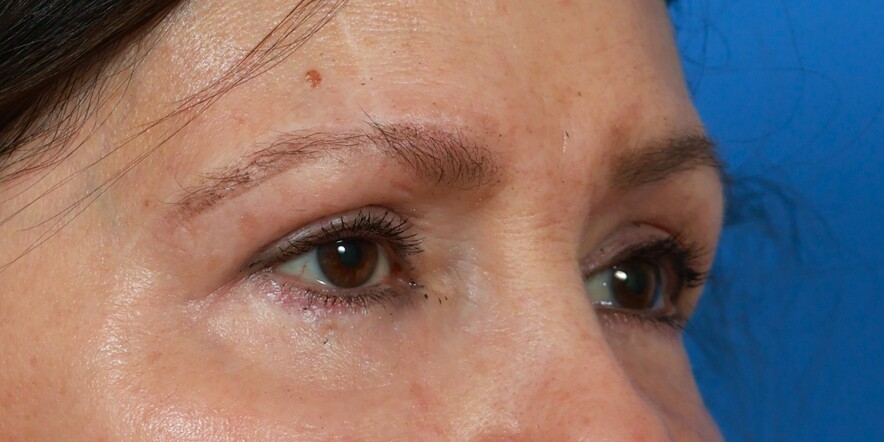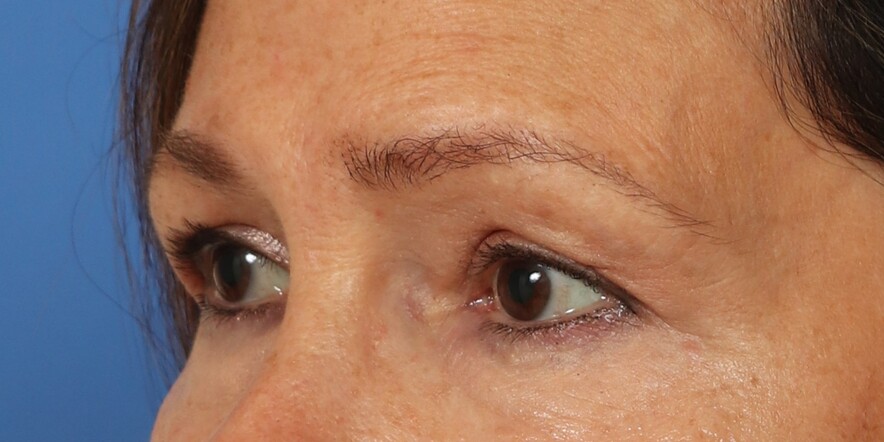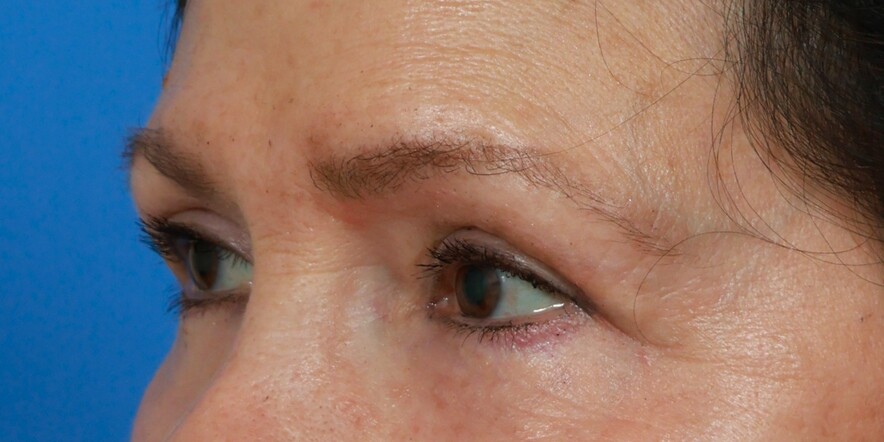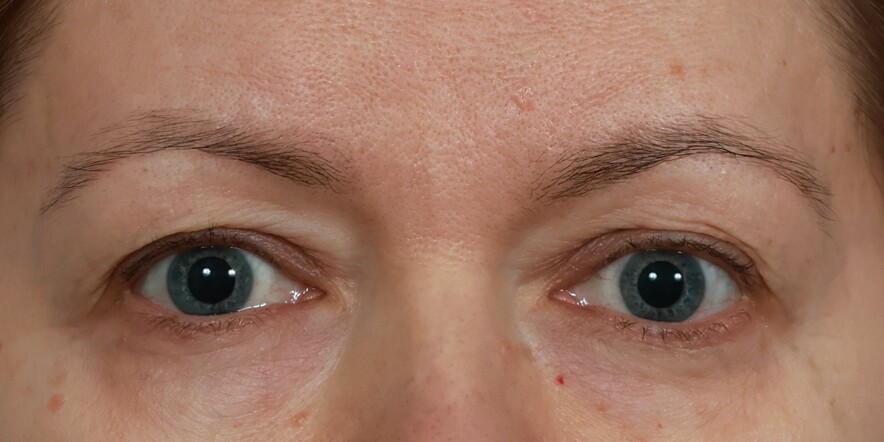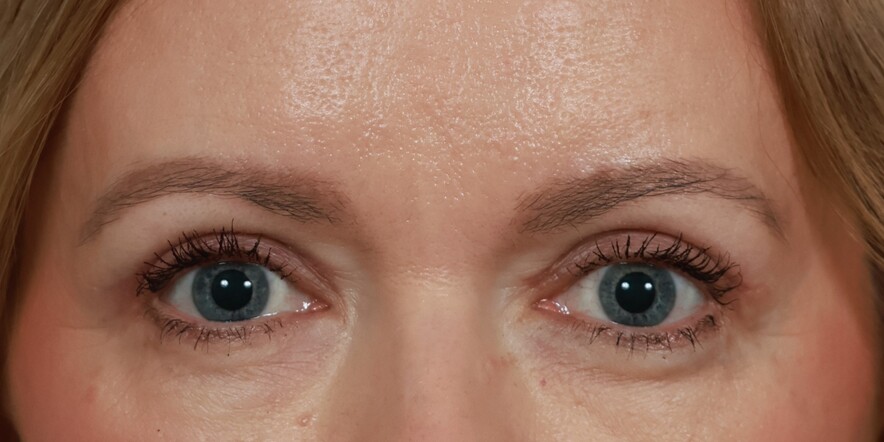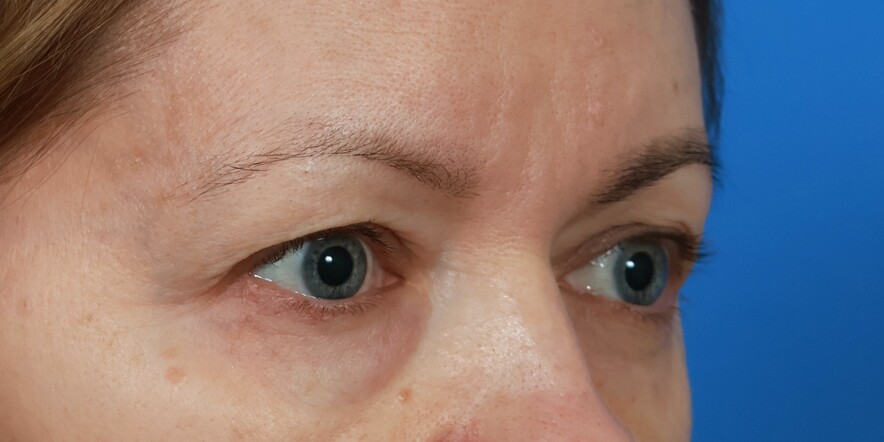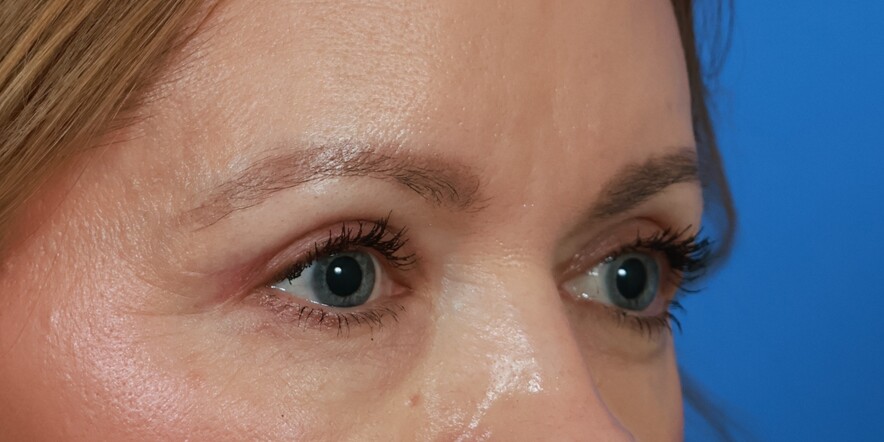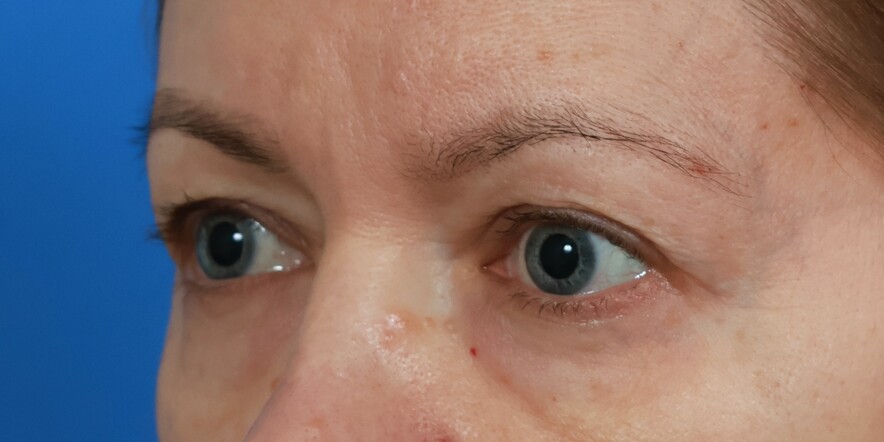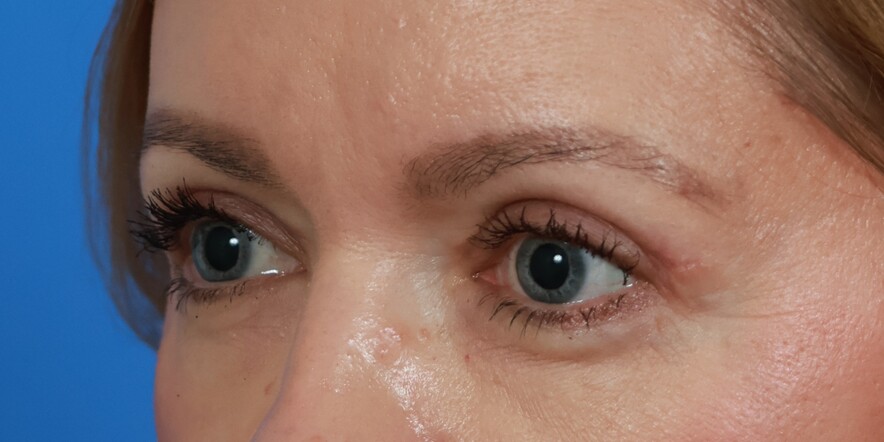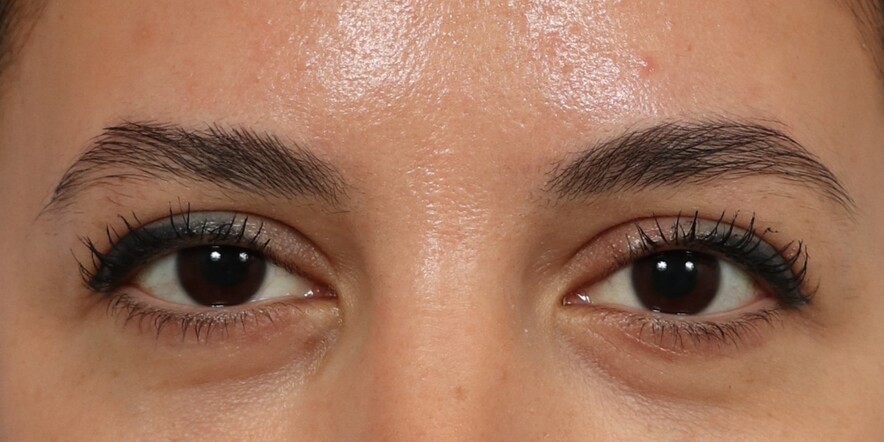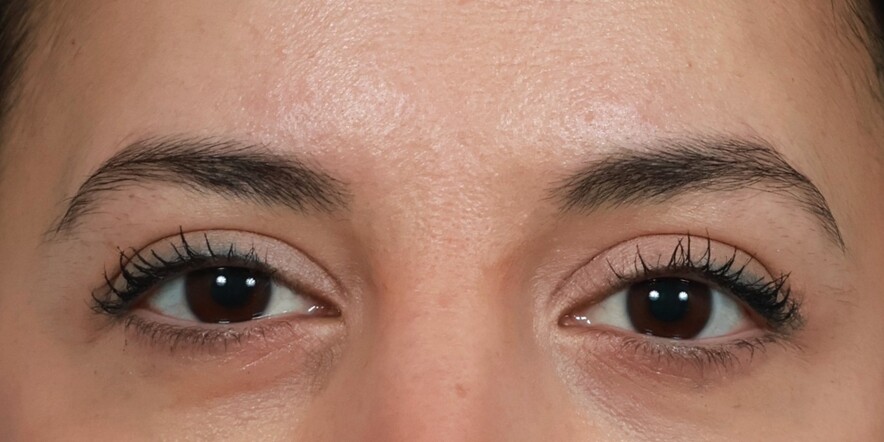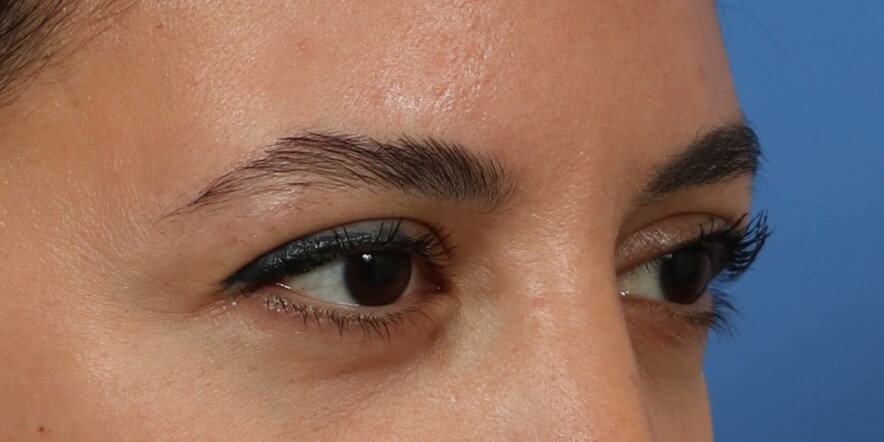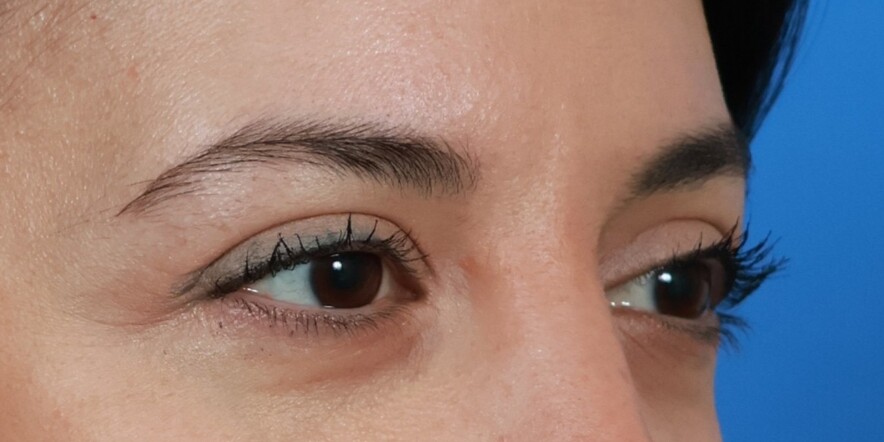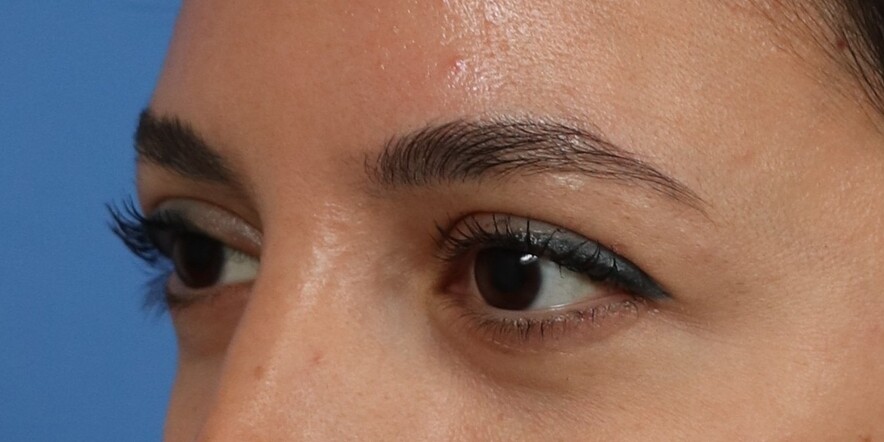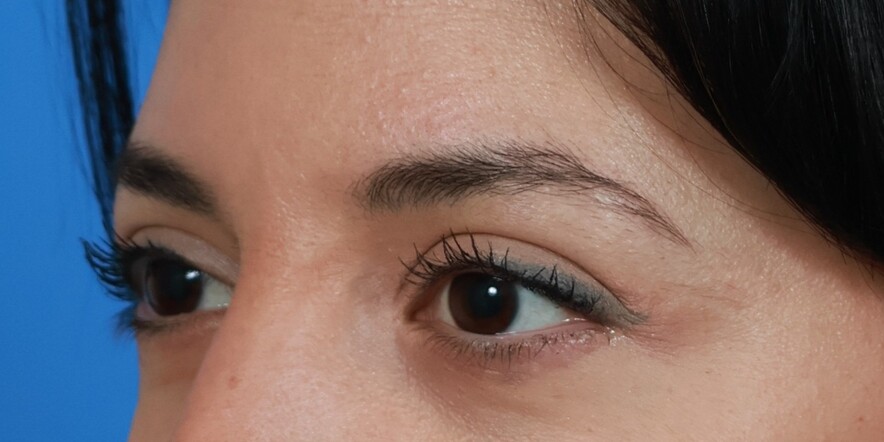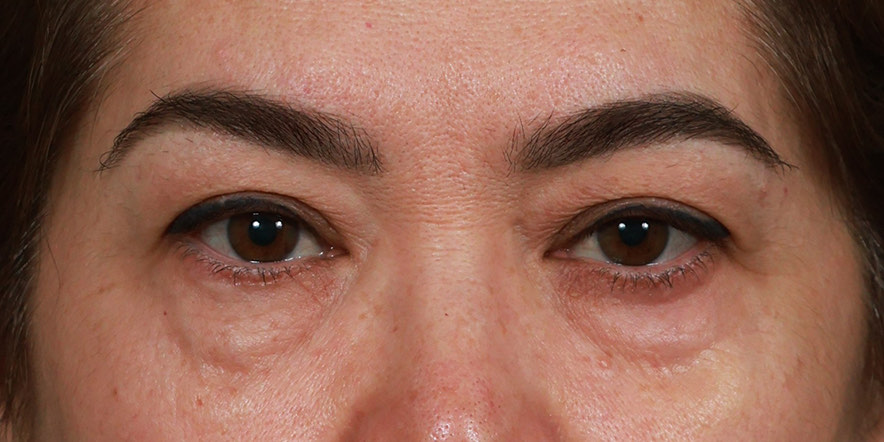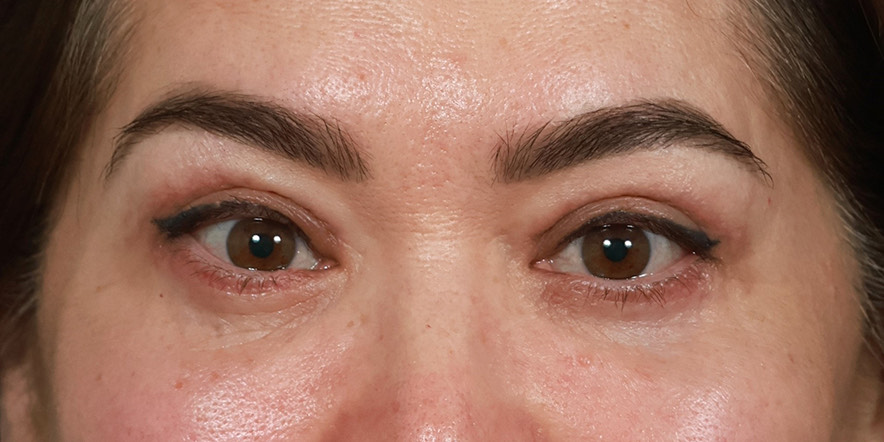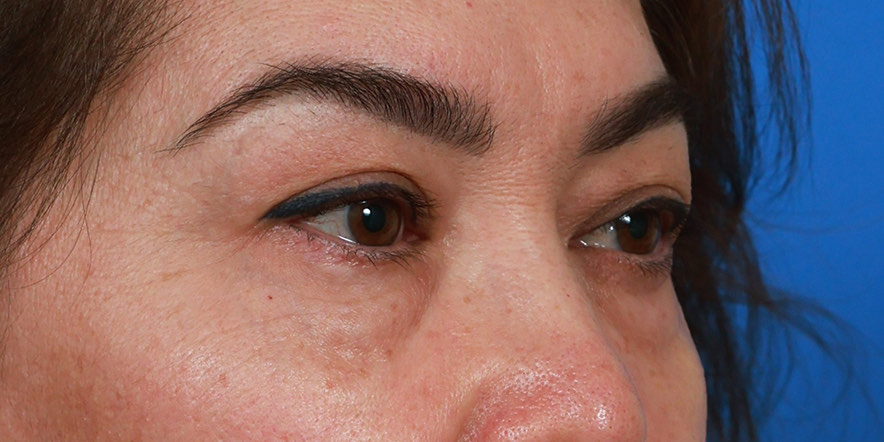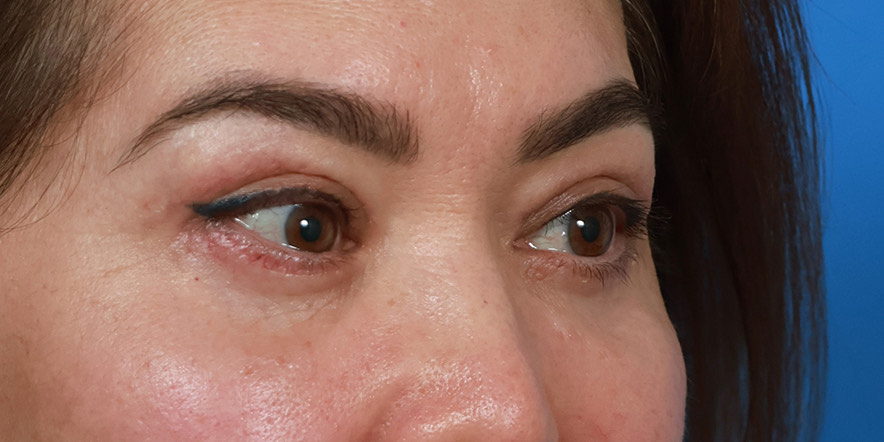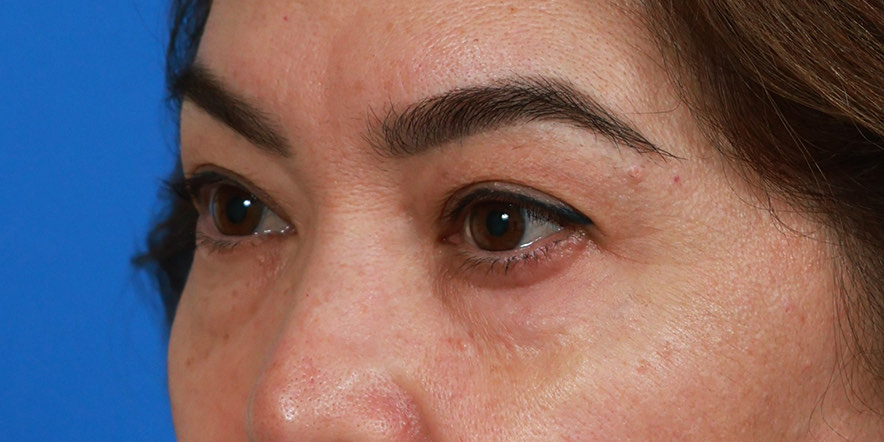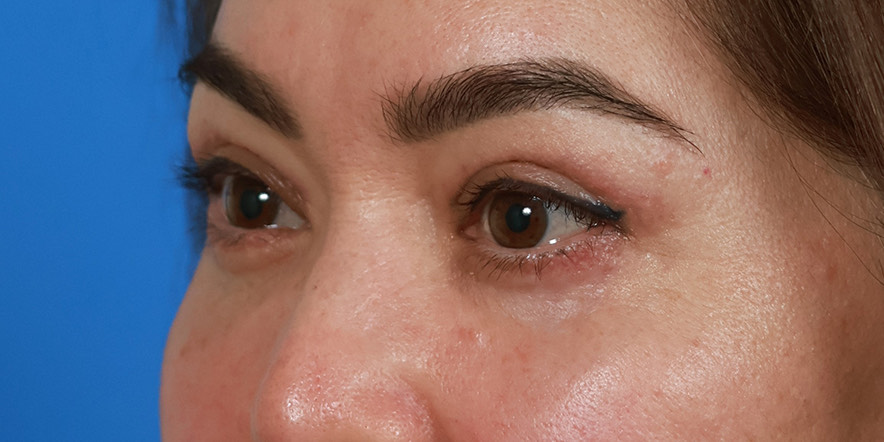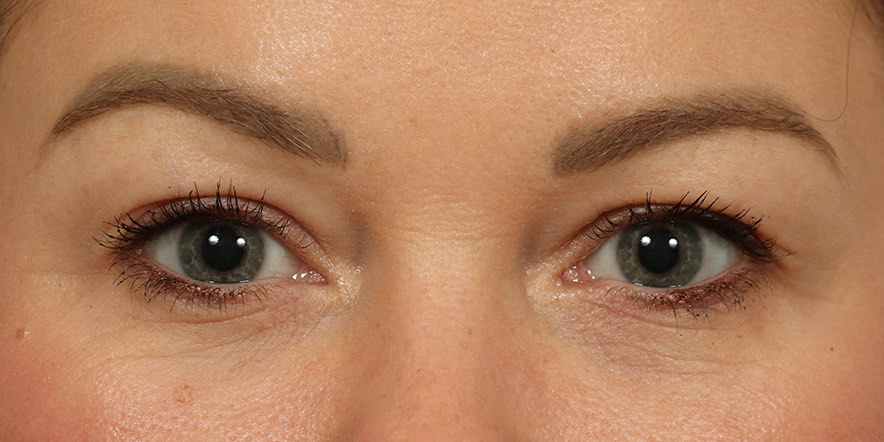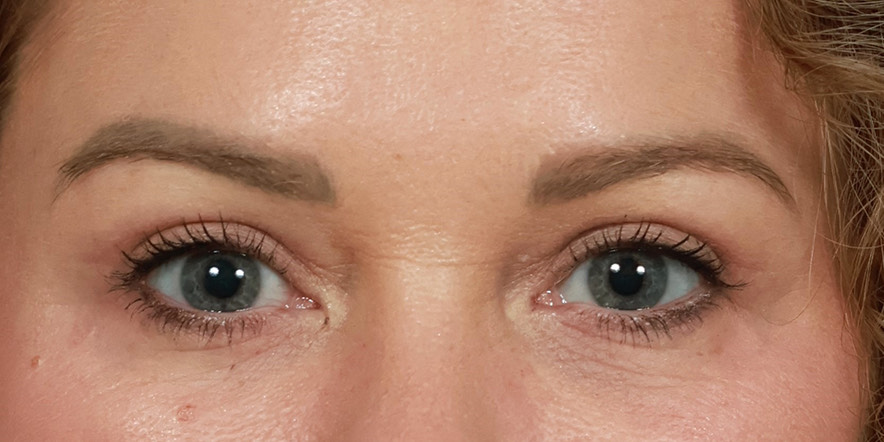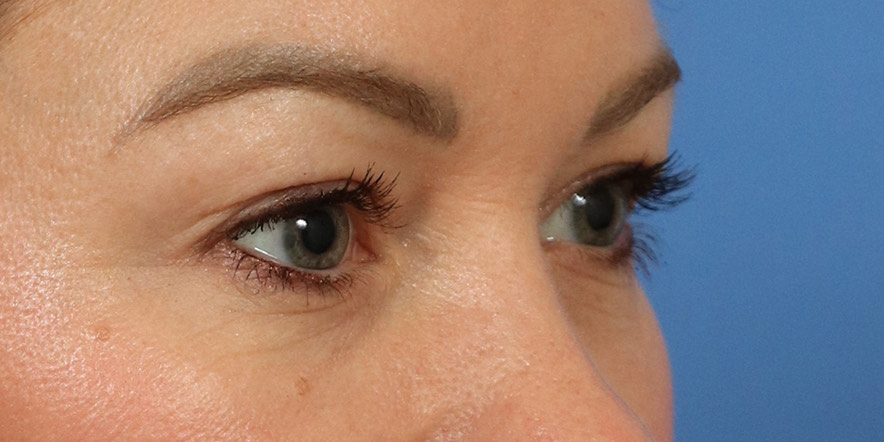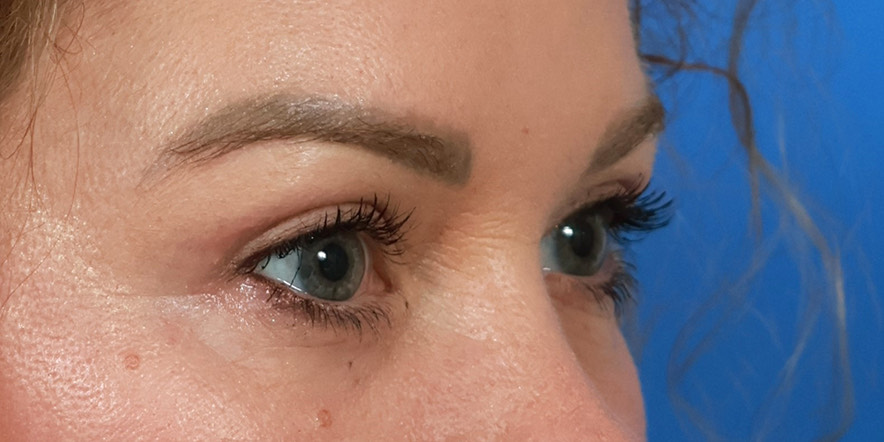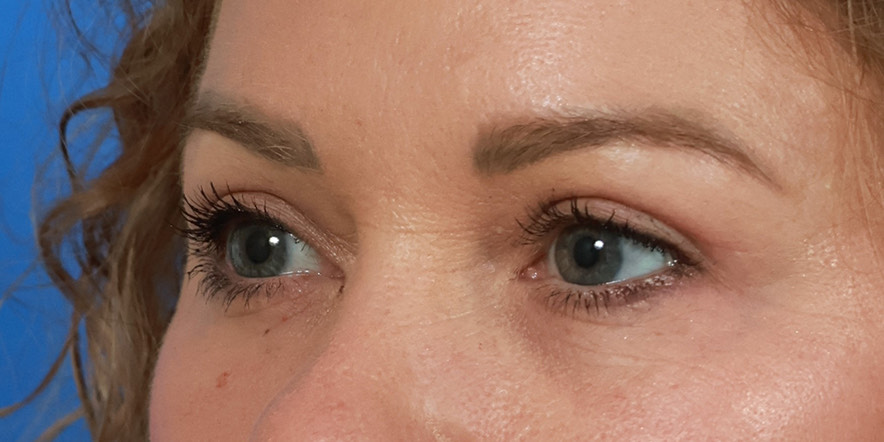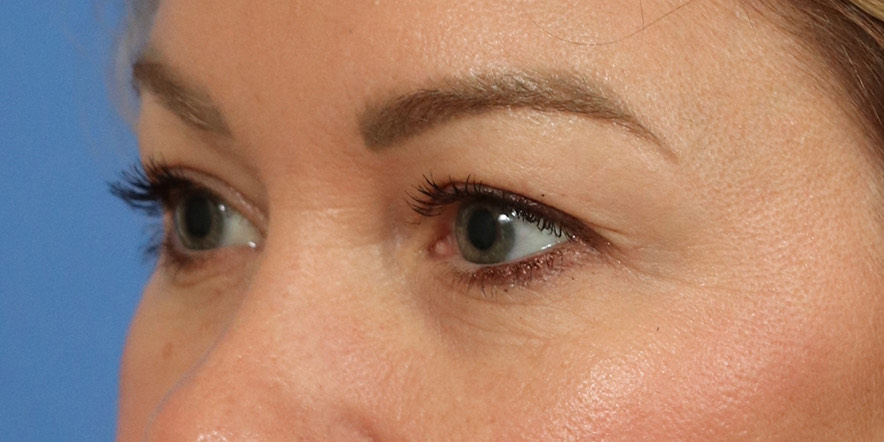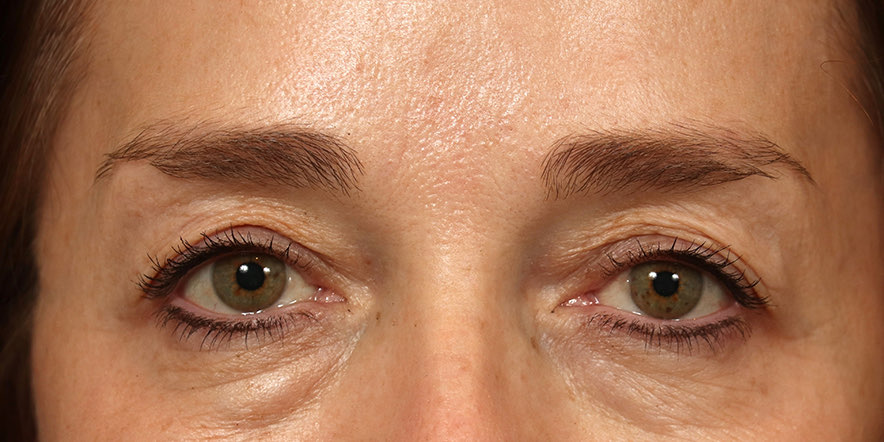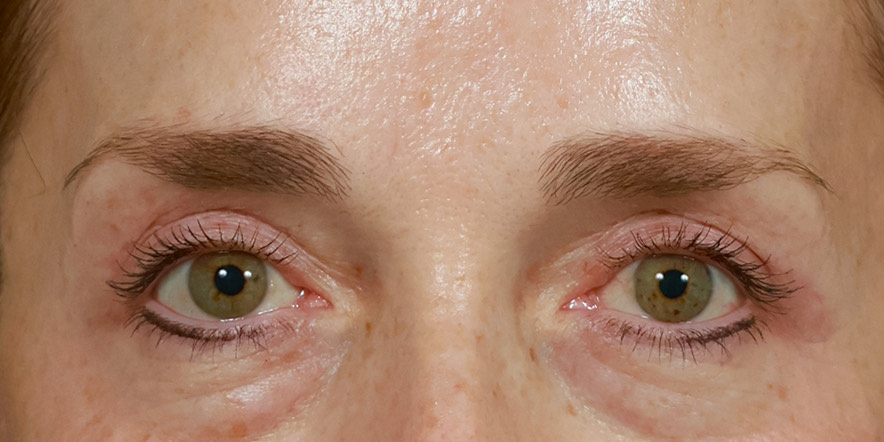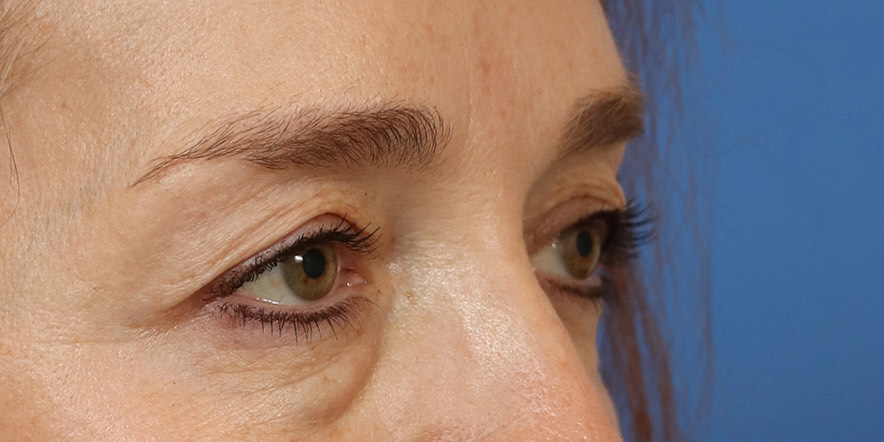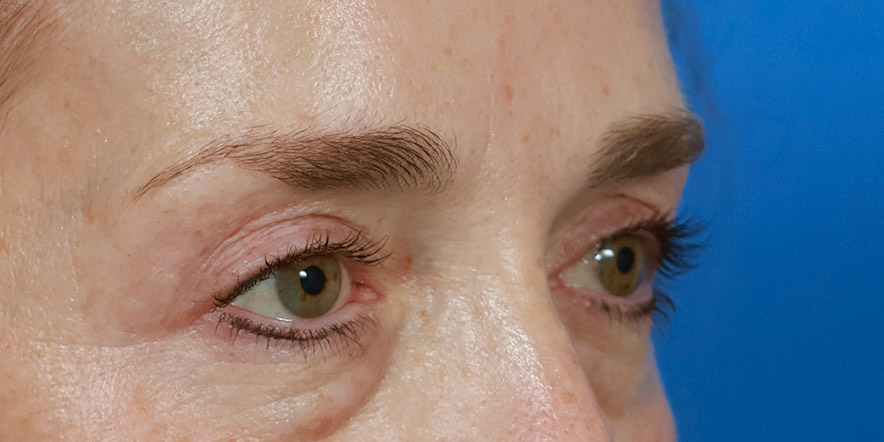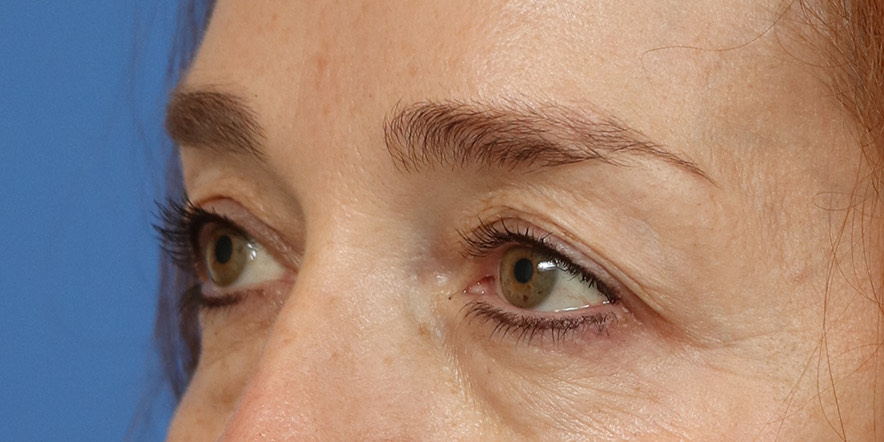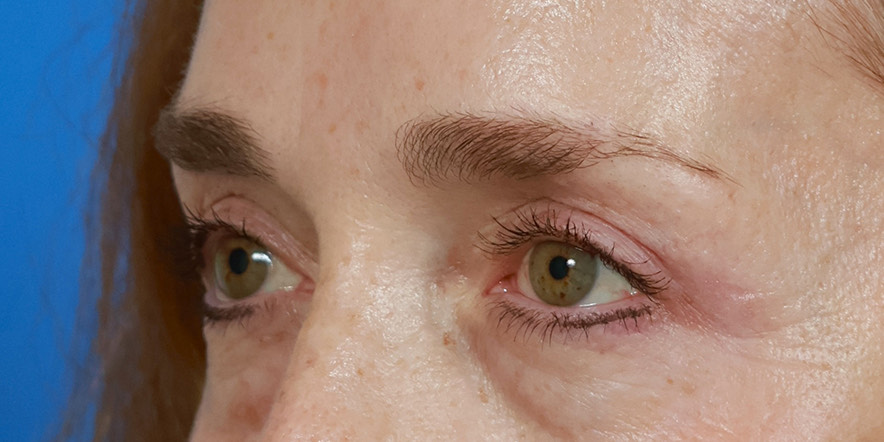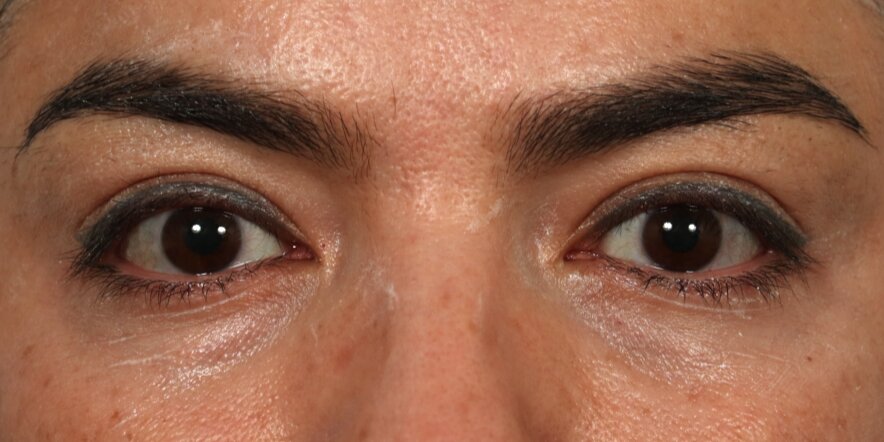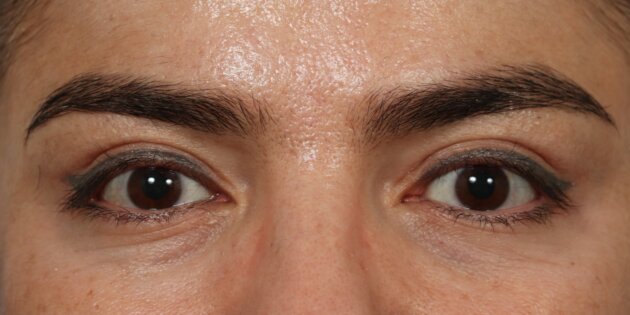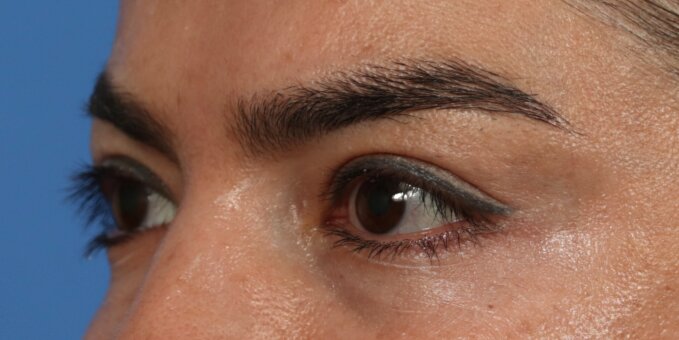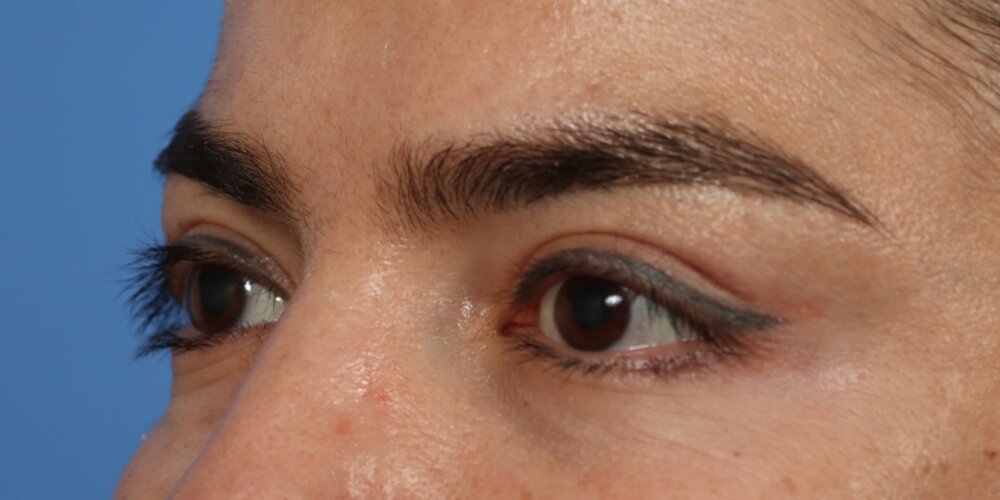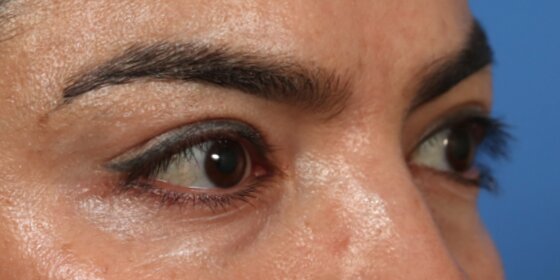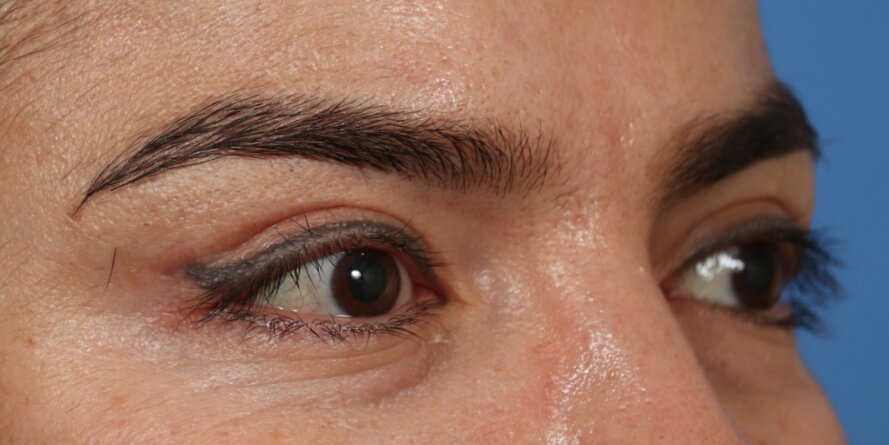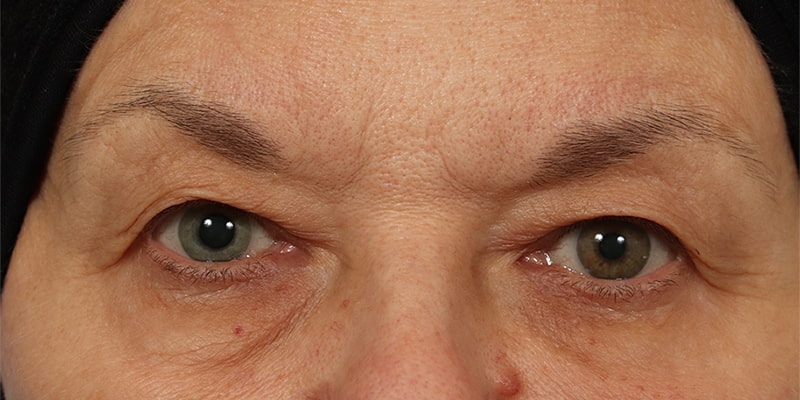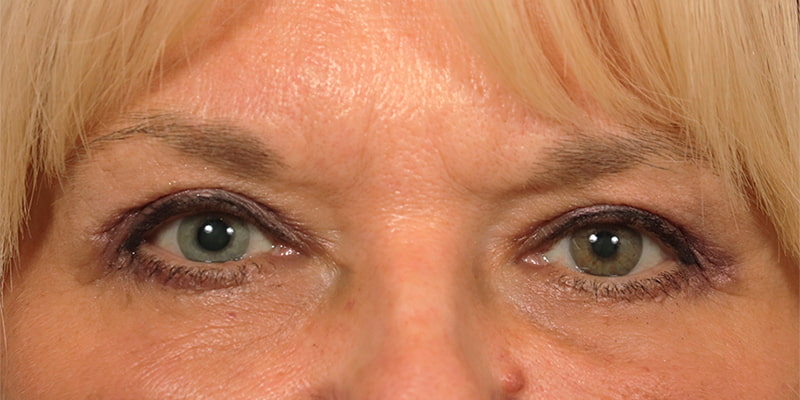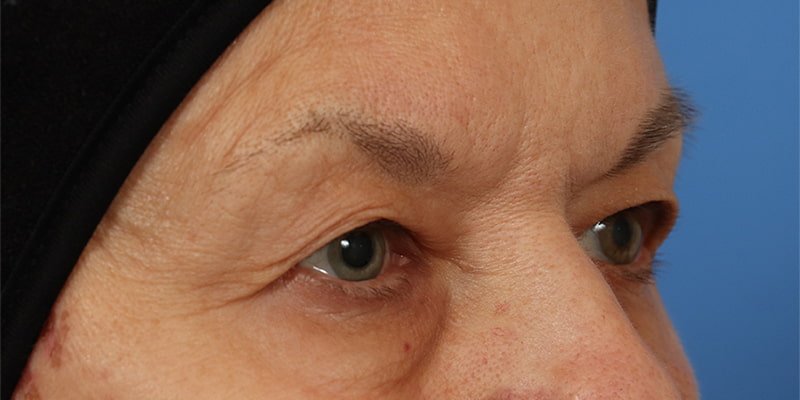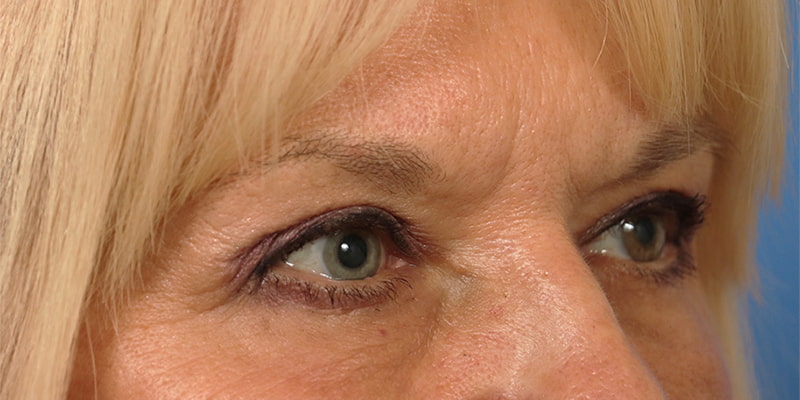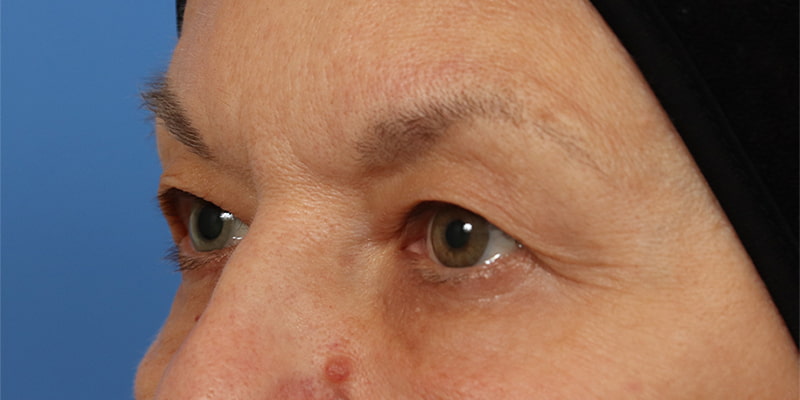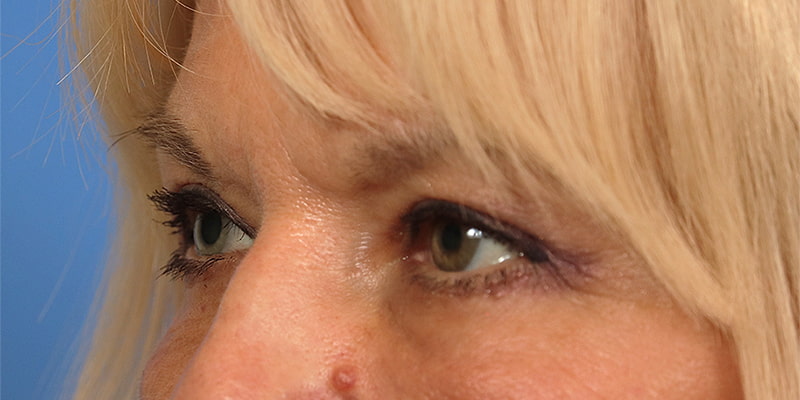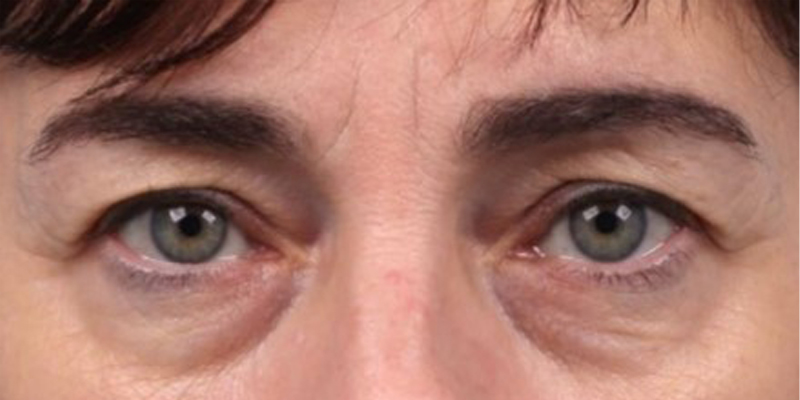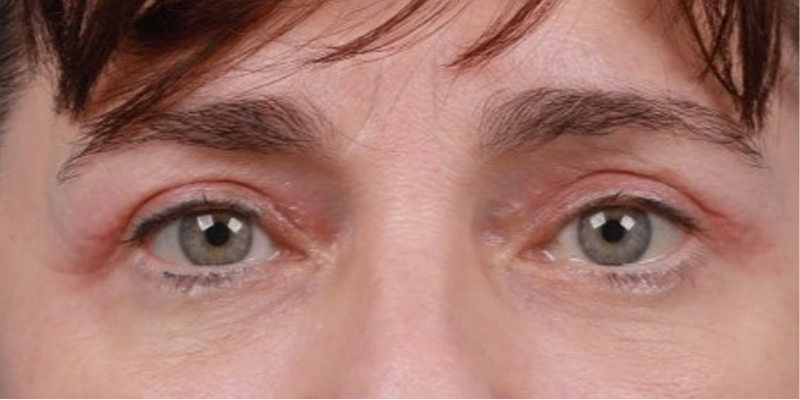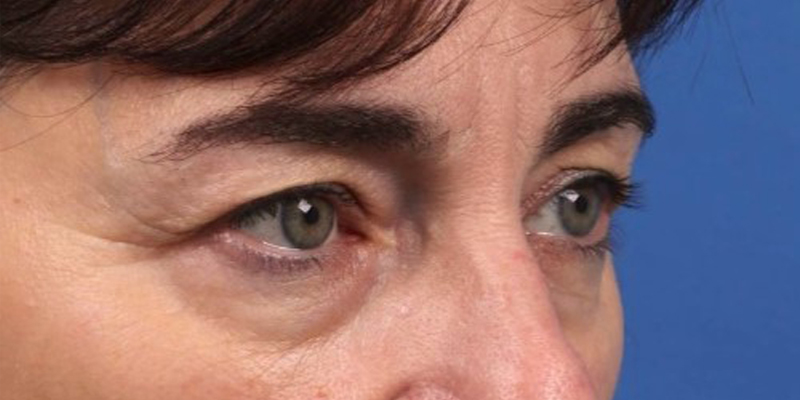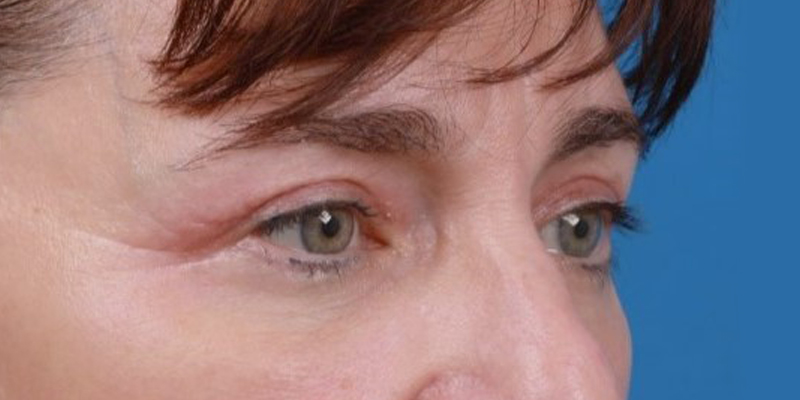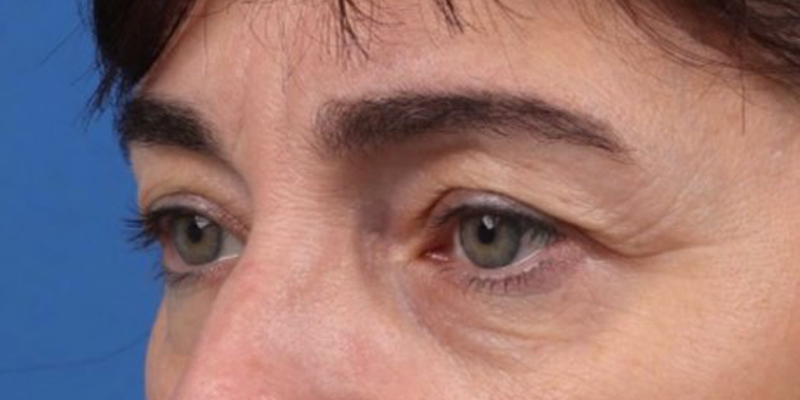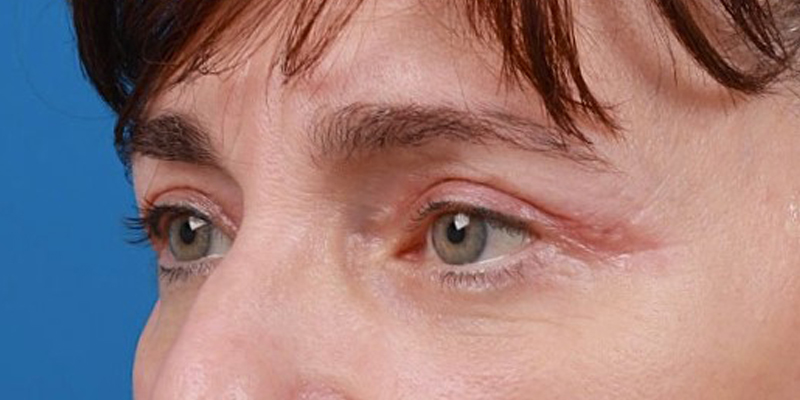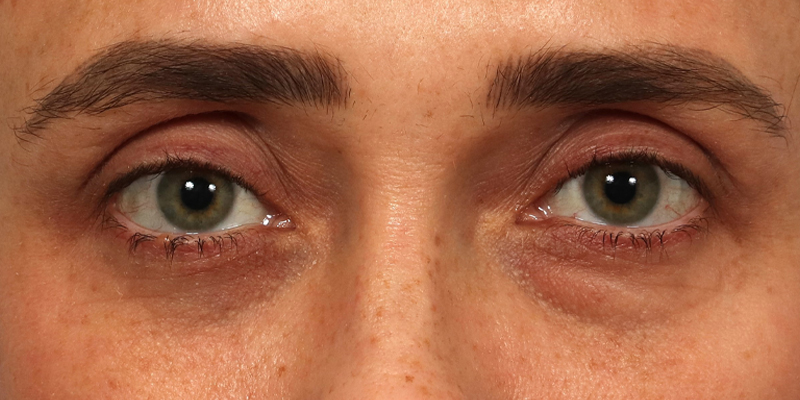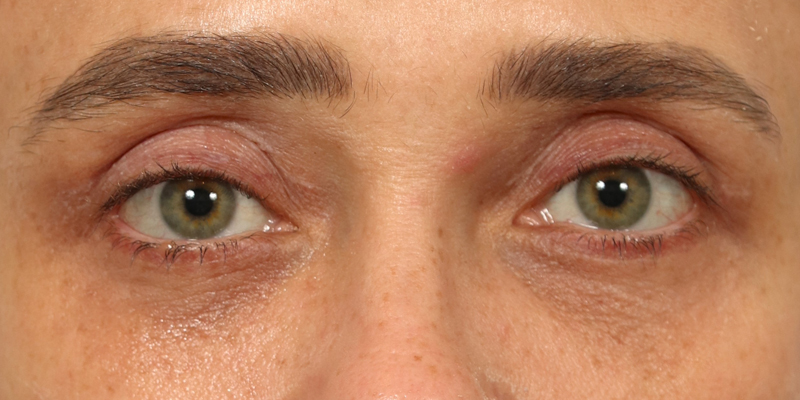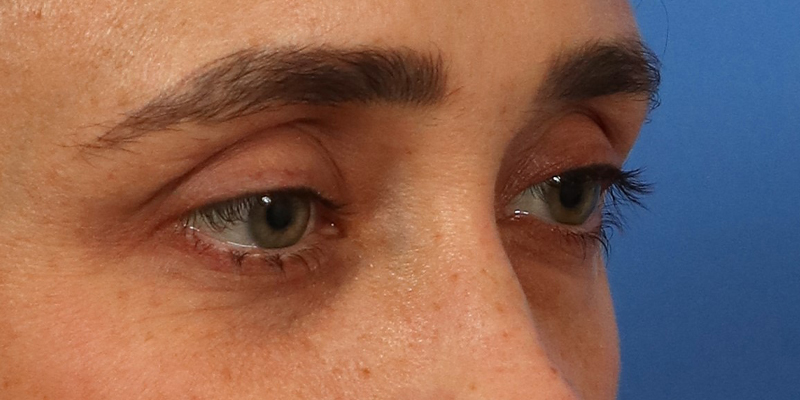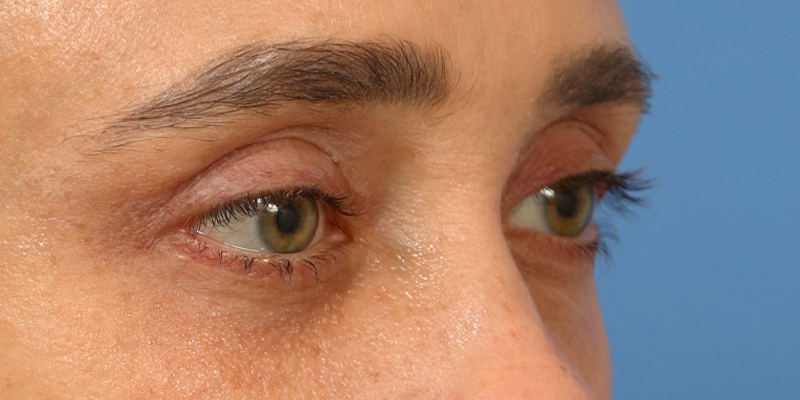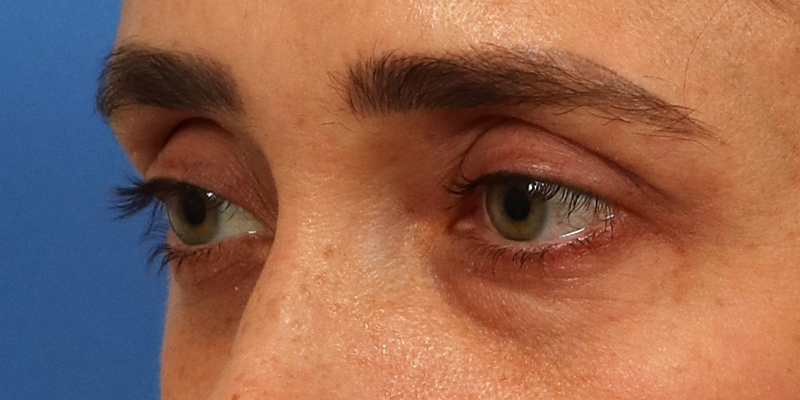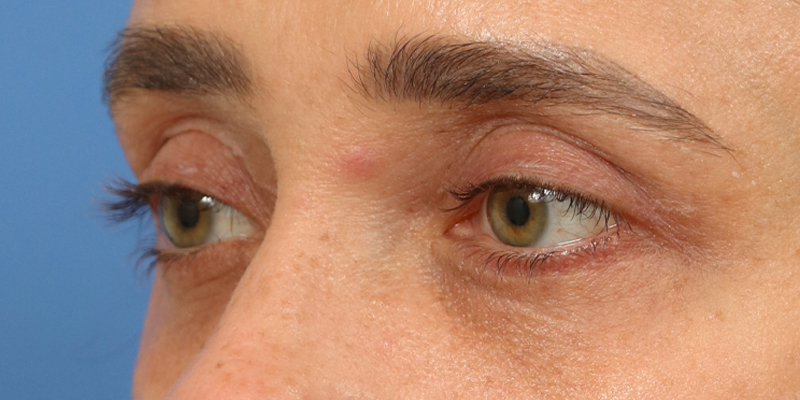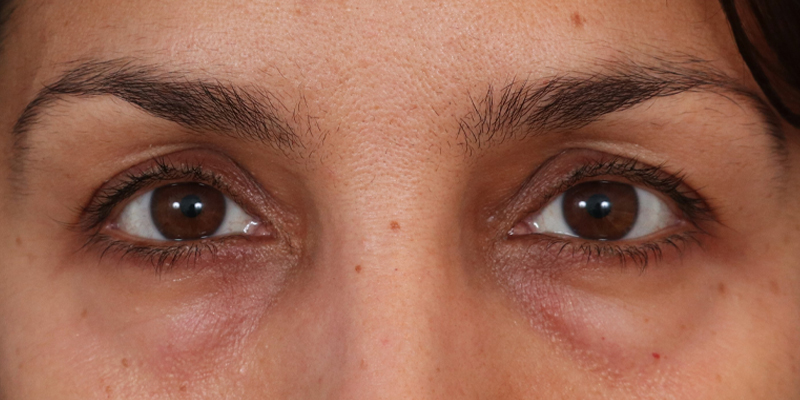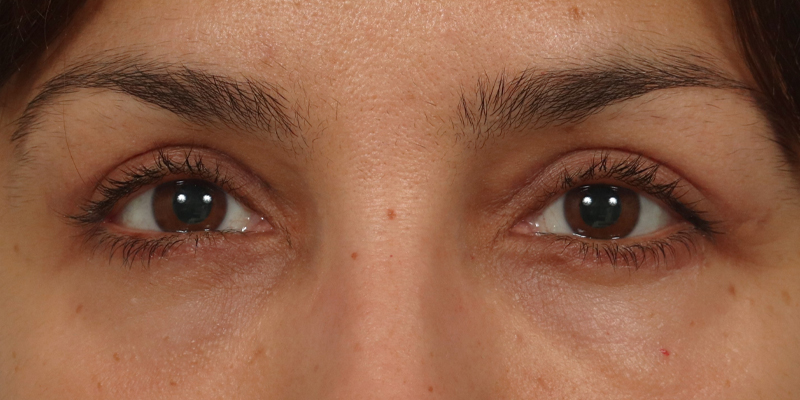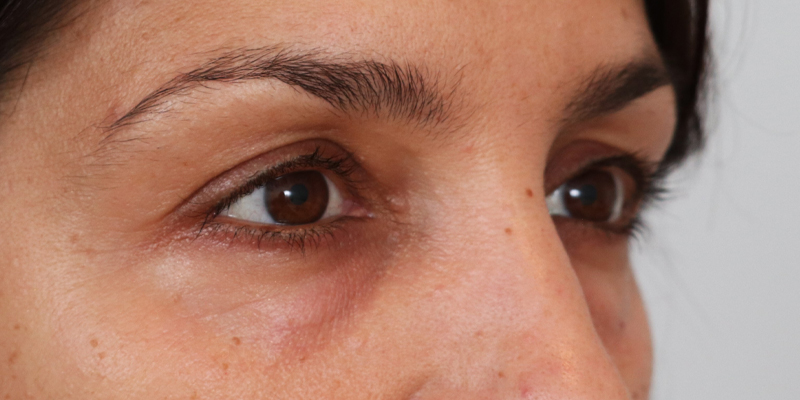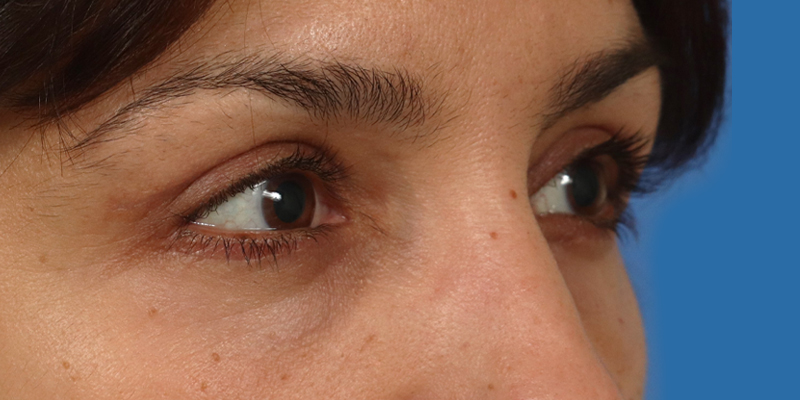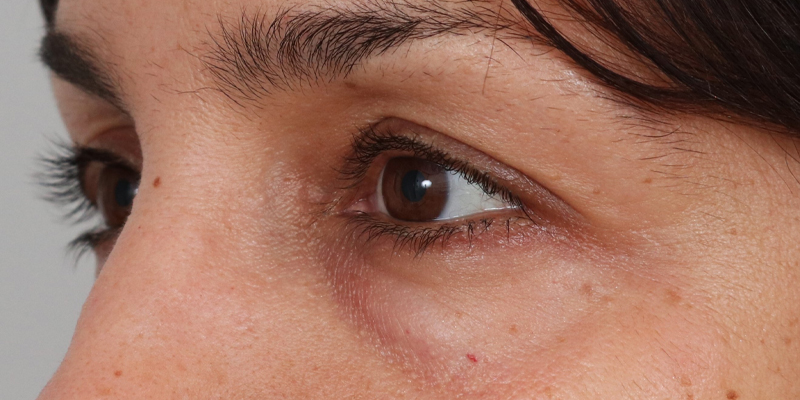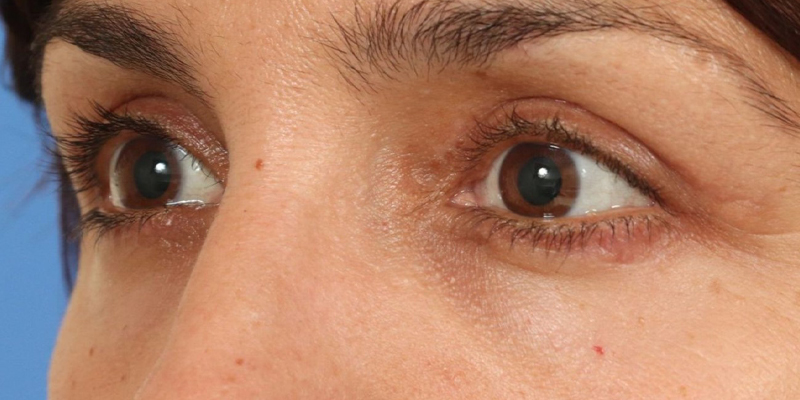

Eyelid Surgery Designed Around Your Anatomy
The appearance of the eyes can change significantly with aging, genetics, and changes in the tissues surrounding the eyelids. The upper eyelids may develop excess skin or fullness, while the lower eyelids may develop visible fat, hollows, loose skin, or changes in the transition between the eyelid and cheek.
Blepharoplasty, or eyelid surgery, is not one standardized procedure. Upper and lower blepharoplasty address different anatomical concerns and may require very different surgical approaches.
Dr. Renata Khelemsky evaluates the eyelid skin, fat, muscle, supporting structures, brow position, and relationship between the eyelids and surrounding facial anatomy before determining which approach is appropriate. The goal is not simply to remove tissue. It is to improve the contours of the eyelids while preserving natural shape, function, and proportion.
 Swipe To Next
A Surgical Approach Based on the Details
At our practice near New York City Blepharoplasty is a surgical procedure performed to improve the appearance of the upper eyelids, lower eyelids, or both.
Depending on the anatomy being treated, surgery may involve removing a measured amount of excess skin, selectively reducing or repositioning fat, adjusting muscle, or reinforcing lower eyelid support. The appropriate technique depends on what is actually creating the concern.
Upper blepharoplasty generally addresses excess or redundant skin and fullness of the upper eyelid. Lower blepharoplasty may involve the lower eyelid fat compartments, tear trough, skin, orbicularis muscle, and supporting ligaments.
For some patients, the eyelids are not the only contributor to a heavy or tired appearance. Brow descent, true eyelid ptosis, cheek volume loss, or skin-quality changes may require a different treatment or an additional procedure.
| Best For | Excess eyelid skin & hooding, under-eye bags, tear troughs |
| Treatment Type | Outpatient surgery |
| Procedure Time | Approx. 1–2 hours, depending on procedure |
| Anesthesia | Local or sedation, depending on procedure, medical history & preference |
| Social Downtime | Approx. 2–3 weeks, depending on procedure & individual healing |
| Early Results | Visible within the first few weeks as swelling & bruising resolve |
| Final Results | Continue to refine over several months, up to one year |
| Longevity | Long-lasting; the eyelid area will continue to age naturally |
The Anatomy Behind a Tired Appearance
With a blepharoplasty New York City patients may address several aging-related changes around the eyes, including:
Not every concern around the eyes is caused by the eyelids themselves. Pigmentation, visible blood vessels, heavy brows, cheek volume loss, and skin-quality changes, among others, may require different or additional treatments.
Upper and Lower Eyelid Surgery Are Not the Same Procedure
Upper blepharoplasty addresses excess skin and fullness of the upper eyelid. The incision is placed within the natural upper eyelid crease, where it can become discreet as it heals.
The amount of tissue removed is carefully measured. Dr. Renata also evaluates the brow and eyelid-opening mechanism. If the brow has descended or eyelid ptosis is contributing to the appearance of heaviness, removing additional eyelid skin alone may not produce the desired result. At times, additional procedures will be recommended to achieve the best result.
Lower blepharoplasty addresses a different set of anatomical concerns, including under-eye bags, tear trough contour, as well as crepey, loose, and excessive lower eyelid skin.
Rather than treating every under-eye bag by simply removing fat, Dr. Renata evaluates whether the existing fat should be preserved, selectively reduced, or repositioned. In appropriate patients, repositioning fat can soften the transition between the lower eyelid and cheek without creating an unnecessarily hollow appearance.
When skin laxity is present, a limited external incision along the lower lash line may allow conservative skin removal. Additional support procedures may be appropriate when the lower eyelid has signs of advanced aging.
A More Rested Facial Appearance
Depending on the patient's anatomy, blepharoplasty may provide:
The goal is not to create an altered eye shape. The goal is to improve the anatomy contributing to the concern while respecting every patient's natural eye shape.
Age Is Only One Factor
Blepharoplasty may be appropriate for healthy adults with anatomical changes that can be improved surgically.
Some patients seek eyelid surgery because of age-related changes. Others have prominent eyelid fat, excess skin, or a naturally deep tear trough that has been present since younger ages. Genetics can therefore play as much of a role as aging.
Candidacy is determined by anatomy rather than age alone. During consultation, Dr. Renata evaluates the eyelids, brow position, eye closure, symmetry, skin quality, fat distribution, lower eyelid support, and overall facial proportions before recommending treatment.
You may benefit from blepharoplasty if you are concerned about:
Good candidates should be in appropriate general health, have realistic expectations, and be able to follow pre- and postoperative instructions. Smoking and certain medical or ocular conditions may affect healing or surgical candidacy.
Blepharoplasty may not be the appropriate treatment when the primary concern is caused by something other than the eyelid itself.
For example, significant brow descent may require a brow lift to achieve the best result. Additionally, eyelid ptosis occurs when the upper eyelid itself sits lower than normal due to dysfunction of the muscles responsible for elevating the eyelid. Because ptosis involves the eyelid-opening mechanism rather than excess skin, it requires evaluation and treatment by an appropriate specialist. Pigmentation or visible vessels may be better addressed with medical skincare or laser treatment.
Patients with uncontrolled medical conditions, significant untreated ocular disease, or an inability to follow postoperative restrictions may also need to postpone surgery.
Where Surgical Planning Matters
Blepharoplasty is performed as an outpatient surgical procedure, with the specific technique determined by the eyelid anatomy being treated.
Before surgery, Dr. Renata carefully marks the eyelids and evaluates the relationship between the brows, upper eyelids, lower eyelids, cheeks, and surrounding facial structures. Measurements help determine the appropriate amount of skin to remove and help preserve eyelid function.
The surgical plan may involve skin removal, selective fat removal or repositioning, muscle adjustment, or reinforcement of lower eyelid support.
Upper blepharoplasty is performed through an incision placed within the natural upper eyelid crease.
Dr. Renata removes only the amount of excess skin necessary to improve the contour while maintaining complete eyelid closure. When fullness is caused by fat or other tissue, these structures can be addressed selectively rather than routinely removed. The objective is a defined but natural upper eyelid, not a hollow or excessively deepened appearance.
The lower eyelid consists of several anatomically important layers, including skin, muscle, orbital fat, and the supporting structures and ligaments that maintain eyelid position.
Dr. Renata evaluates each of these layers when planning lower blepharoplasty.
When appropriate, a transconjunctival approach allows access to the lower eyelid fat through an incision inside the eyelid, avoiding an external skin incision. Depending on the patient's anatomy, fat may be repositioned into the tear trough or selectively reduced.
If excess skin is present, a carefully placed incision along the lower lash line can allow conservative skin removal. Muscle lifting or adding support to the supporting ligaments of the lower eyelid may be incorporated when needed to improve contour and stability.
Fat grafting or other volume restoration may also be considered when surrounding facial volume loss contributes to the appearance of the under-eye area.
The specific combination of techniques depends on the patient's anatomy rather than following a single standardized operation.
What to Expect During Recovery
Following a blepharoplasty NYC patients may experience swelling and bruising, which are generally most noticeable during the first two weeks after surgery. Temporary dryness, tearing, sensitivity, tightness, or blurred vision can also occur, particularly while using postoperative ointments.
The recovery period varies depending on whether upper, lower, or combined blepharoplasty is performed.
Many patients undergoing upper blepharoplasty are comfortable returning to desk work and routine social activities within approximately two to three weeks.
Lower blepharoplasty and combined upper and lower procedures may require additional time because swelling can be more pronounced and may take longer to settle.
Even after returning to normal activities, subtle swelling may persist. Proper postoperative care and following Dr. Renata’s aftercare instructions can help minimize swelling and support a smooth return to daily activities.
Walking and light activity are generally encouraged after one to two weeks of recovery, while bending, heavy lifting, strenuous exercise, and other activities that increase pressure around the eyes should be avoided until cleared to do so.
The timing for returning to strenuous exercise, contact lenses, makeup, and other activities is individualized based on healing.
First 72 Hours
Swelling and bruising are generally at their most noticeable and often increasing in the first few days after surgery. Cold compresses and head elevation can help with comfort and swelling.
Days 4–7
Bruising and swelling begin to improve. Continuing cold compresses and head elevation are encouraged.
Days 7–14
Some patients are able to return to work and light social activities, although residual swelling and bruising may still be visible.
Weeks 3–4
Most patients have returned to their baseline social and work activities. The eyelid contours become more defined. Physical activity can gradually increase as cleared.
Months 1–3
Residual swelling continues to resolve and the eyelids generally begin to look increasingly natural. This is the time patients enjoy makeup and are starting to take social photos.
Months 3–12
The incisions continue to mature, while subtle changes in contour and scar appearance continue to improve.
Keep your head elevated while sleeping, use cold compresses as directed, avoid rubbing or manipulating the eyes, and use prescribed eye care products as instructed.
It is important to avoid makeup, contact lenses, strenuous exercise, and other restricted activities until you have been cleared to resume them.
If you are planning surgery before a major event, allow several months rather than scheduling surgery immediately before an important occasion. Discuss timing of surgery directly with your Brooklyn cosmetic surgeon to ensure you allow enough time for healing for all recommended procedures.
Results of a blepharoplasty are usually visible as soon as the initial swelling begins to subside, but your appearance will continue to evolve throughout the healing process. The timeline is somewhat different for the upper and lower eyelids.
Upper eyelids: Most patients begin to see a meaningful improvement within the first 1–2 weeks, as bruising and swelling decrease. The eyelid contour continues to refine over the following several weeks, with the final result becoming increasingly apparent as the tissues soften and the incision matures.
Lower eyelids: Lower eyelid healing generally takes longer. Although the initial improvement may be visible within the first few weeks, residual swelling can be noticeable for six to eight weeks. Subtle changes in contour and symmetry continue as the tissues settle and mature.
During this period, it is normal for the eyelids to appear temporarily uneven, firm, tight, swollen, or asymmetric. These early changes do not necessarily reflect the final result.
Generally, patients can expect noticeable improvement within the first few weeks, with continued refinement over several months. Scars from blepharoplasty surgery continue to mature and fade to a socially imperceptible appearance gradually over the first year.
Blepharoplasty provides long-lasting structural improvement, but it does not stop the natural aging process.
The duration of the result varies between patients and depends on factors including genetics, skin quality, sun exposure, smoking or nicotine exposure, brow position, and the ongoing aging process.
Some patients may eventually consider additional eyelid surgery many years later, while others continue to maintain their result without another operation.
Upper blepharoplasty scars are positioned within the natural eyelid crease, where they are generally difficult to see once fully healed.
When lower blepharoplasty is performed through a transconjunctival approach, the incision is placed inside the lower eyelid and does not create an external skin scar. When lower eyelid skin must be removed, the external incision is placed along the lash line and extends laterally only as needed.
Blepharoplasty scars continue to mature for many months and may take up to a year or longer to reach their final appearance. Postoperative scar care may include ointments, silicone-based treatments, sun protection, massage, in-office laser treatments, microneedling, or other therapies when appropriate.
The Same Area Can Require Different Treatments
Not every concern around the eyes is best treated with blepharoplasty.
The appropriate treatment depends on whether the primary issue involves eyelid skin, orbital fat, the lower eyelid support system, the brow, the eyelid-opening mechanism, cheek volume, or the quality of the skin itself.
Upper blepharoplasty is most suitable in cases where there is excess skin which crowds the natural crease, causes hooding, or lies near the lash line; it can also be used in a conservative manner to correct localized fat or muscle if these tissues are responsible for fullness. The procedure does not correct a descended brow or eyelid ptosis. A brow lift may be recommended when brow heaviness is contributing to the appearance, while eyelid ptosis may require evaluation by an appropriate specialist.
Lower blepharoplasty is used to correct prominent under-eye bags, a deep tear trough, loose skin and muscle, and weakness of the support for the lower eyelid. According to the anatomy involved, Dr. Renata may reposition or selectively remove the fat, tighten the skin and muscle, or reinforce the strength of the lower eye support. The procedure can help to reduce the dark shadows that result from changes in contour, but it is not able to get rid of dark circles that are mainly due to pigmentation or visible blood vessels.
A brow lift should be carried out in cases where the forehead and temples descend so that the skin is pulled towards the upper eyelids. By repositioning the brow, lateral heaviness can be alleviated, and a more natural brow arch can be achieved. A brow lift does not involve the removal of the actual excess skin from the upper eyelids. Those patients who have both brow descent and excess upper eyelid skin may find it beneficial to have a brow lift carried out together with upper blepharoplasty.
Ptosis repair addresses weakness or stretching of the muscle inside the eyelid that is responsible for elevating the eyelid. This is distinct from excess skin above the lashes. Ptosis repair raises the eyelid margin and may improve eyelid symmetry or reduce visual obstruction. It does not remove excess skin, lift a descended brow, or correct lower eyelid bags.
Ptosis repair requires evaluation and surgical management by an appropriate specialist. When ptosis is suspected, referral to a specialist for evaluation and treatment may be recommended.
In certain patients, under-eye filler can be used to conceal a slight hollow by smoothing the transition area between the lower eyelid and the cheek. The effect is temporary, and the treatment is unable to eliminate significant herniated fat or tighten loose skin. It is also possible for the filler to hold on to water or to cause ongoing swelling, which is why it may not be an appropriate option for some people who have noticeable bags.
Laser resurfacing of the eyelid skin helps to reduce fine lines, crepey texture, and visible sun damage by renewing the skin surface and promoting collagen remodeling. It may be used in conjunction with blepharoplasty if there is still a concern about the quality of the skin. However, a laser is unable to tighten eyelid skin, remove a fold of excess upper eyelid skin, reposition the lower eyelid fat, or correct significant laxity.
Yes. Blepharoplasty can be combined with other surgical and non-surgical treatments when appropriate. Upper and lower blepharoplasty may be performed together, and a brow lift may be recommended when brow descent contributes to upper eyelid heaviness.
Other treatments may be used to complement the result, including laser resurfacing to improve skin texture and fine lines, fat grafting or filler to restore volume, and Botox to soften dynamic wrinkles around the eyes and upper face. When broader midface and neck aging is present, blepharoplasty may also be combined with a facelift or neck lift.
RENATA Facial Cosmetic Surgery is a facial cosmetic surgery practice in the heart of New York City, focused specifically on the anatomy and aesthetics of the face.
Dr. Renata Khelemsky is a double board-certified, fellowship-trained facial cosmetic surgeon whose approach to eyelid surgery is grounded in detailed anatomical evaluation rather than a one-size-fits-all technique.
For blepharoplasty, this distinction matters. The upper and lower eyelids contain delicate structures that influence eye shape, eyelid closure, facial expression, and the transition between the eyes and cheeks. The objective is therefore not simply to remove what appears excessive, but to determine what is actually contributing to the patient's concern and address it appropriately.
Patients are seen in a private, tranquil setting where each treatment plan is thoughtfully tailored to their individual anatomy, features, aesthetic preferences, and goals. Dr. Renata takes a highly personalized approach to surgical planning, with careful attention to the details that make each patient unique. From the initial consultation through recovery, patients receive individualized care and comprehensive follow-up at every stage of the process.

If you are considering upper blepharoplasty, lower blepharoplasty, or both, the first step is a detailed consultation with Dr. Renata.
During your consultation, she will evaluate the eyelid skin, fat, muscle, lower eyelid support, brow position, eye shape, and surrounding facial anatomy to determine which procedure or combination of procedures best addresses your concerns.
Call (646) 558-3757 or complete our online consultation form to schedule.
Upper blepharoplasty primarily addresses excess skin and fullness of the upper eyelid through an incision concealed within the natural eyelid crease. Lower blepharoplasty is designed to address under-eye bags, tear trough contour, lower eyelid skin laxity, and, when indicated, the support and position of the lower eyelid.
Upper and lower blepharoplasty can be performed together when both areas contribute to the patient’s concerns, allowing the treatment to be tailored to the anatomy and appearance of the eyes as a whole.
The answer often depends on what is causing the darkness. Lower blepharoplasty can improve dark shadows created by under-eye bags or a pronounced tear trough. However, surgery does not remove skin pigmentation or visible blood vessels, which require different treatments.
Upper eyelid blepharoplasty may improve peripheral vision when excess upper eyelid skin obstructs the visual field. This is different from vision problems caused by the eye itself. Patients with underlying ocular conditions, as well as peripheral vision deficits, may require evaluation or co-management with an eye specialist before proceeding with cosmetic eyelid surgery.
Our practice does not participate with insurance or submit claims for eyelid surgery, including cases in which visual field testing demonstrates peripheral vision obstruction. All blepharoplasty procedures are evaluated and performed as cosmetic surgery.
The goal of blepharoplasty is to preserve the natural shape of the eyes. Careful measurement, conservative tissue removal, appropriate fat management, and attention to lower eyelid support are important in avoiding an unnecessarily hollow, rounded, or pulled appearance.
As with any surgery, blepharoplasty carries risks. These may include bleeding, infection, prolonged swelling or bruising, dry eyes, asymmetry, scarring, difficulty closing the eyes, contour irregularities, and, rarely, changes affecting vision. The risks vary according to the procedure and the patient's anatomy and medical history. These considerations are reviewed in detail during the consultation.
There is no single ideal age for surgery, including blepharoplasty. Some patients develop excess upper eyelid skin or prominent lower eyelid fat relatively early because of genetics, while others develop more significant changes later with aging. Candidacy is based on anatomy, health, and goals rather than age alone.
Yes. Brow position can significantly influence the appearance of the upper eyelids. When both brow descent and excess upper eyelid skin are present, addressing only the eyelid may leave part of the underlying problem untreated. Dr. Renata evaluates the brow and eyelids together when determining whether a combined approach is beneficial.
Blepharoplasty provides long-lasting improvement, although the face and eyelids continue to age. Many patients enjoy their results for a decade or longer. Longevity varies according to genetics, skin quality, sun exposure, brow position, lifestyle, and the natural aging process.
Most patients should plan for approximately two to three weeks of recovery before returning fully to work and social activities, although this varies by procedure. Upper blepharoplasty generally settles more quickly than lower or combined eyelid surgery. Residual swelling and scar maturation continue for several months after the initial recovery period.
Yes, when both areas would benefit from surgery, upper and lower blepharoplasty can be performed during the same operation. Whether combining the procedures is appropriate depends on your anatomy, health, goals, and overall surgical plan.
Dr. Renata examines the eyelids, brow position, eye shape, skin quality, fat distribution, lower eyelid support, and surrounding facial anatomy.
She will also consider whether your concern is actually coming from the eyelid or from another structure, such as the brow, cheek, or eyelid-opening mechanism. The goal of the consultation is to determine what is, and what may not be, appropriate to treat surgically before developing an individualized plan.
The cost of blepharoplasty in New York City depends on the extent of surgery, whether upper, lower, or combined eyelid surgery is performed, and whether additional procedures, such as a brow lift or other facial rejuvenation treatments, are recommended. Anesthesia and facility fees may also vary depending on the surgical setting and the planned procedure.
Because each patient’s anatomy and surgical plan are different, Dr. Renata provides a personalized fee following consultation, once the appropriate procedure and surgical setting have been determined. You can review our most current professional fees here.
At RENATA Facial Cosmetic Surgery, we prioritize privacy. While many Before & After photos are featured on our website and social media channels, we understand not everyone wishes to share them publicly. To respect our patients’ unique preferences, we invite you to explore a more comprehensive Before & After gallery during your consultation in our office.
Life can be demanding, and we understand. For patients who may be traveling, preparing for a last-minute occasion, or simply looking for a more exclusive experience without any inconvenience or delays, we are pleased to offer preferred patient scheduling. Patients may undergo a personal consultation as well as tailored cosmetic treatments during evening hours or weekends. Appointments are required and premium rates apply. Please call our office to inquire about preferred patient scheduling and allow us to create an exceptional experience just for you.
Contact UsAt RENATA Facial Cosmetic Surgery, patients receive excellent customer service, communication, personal attention, and scheduling flexibility. Located in the historical and breathtaking waterfront neighborhood of DUMBO, Brooklyn in New York City, our office serves local neighborhoods including Brooklyn Heights, Park Slope, Williamsburg, and Cobble Hill, as well as Manhattan and New York City at large.
Our office location is:
58 Prospect Street, Brooklyn, NY 11201
Monday - Friday: 8:30AM to 4:30PM
Saturday (by appointment only): 9:30AM to 2:30PM