

When most people hear “BBL,” they think body contouring. But in facial aesthetics, there’s a new kind of BBL that deserves some attention! In my practice, the new BBL refers to a Blepharoplasty paired with a Brow Lift, a combination that can refresh the eyes and upper face more effectively than either procedure alone.
One of the most common misconceptions I see with facial aging is the belief that problems exist in isolation. Patients often look in the mirror, lift their upper eyelid skin with a finger, and conclude that the solution is simply removing excess eyelid skin.
But the upper eyelid is not entirely an independent structure. It’s directly connected to the brow, which is then further anchored to the forehead and scalp through a complex network of muscles, fascia, and ligaments. When the brow descends with age, it places additional weight from above on the eyelid. What appears to be an “eyelid problem” is often, at least in part, a brow position problem too.
Evaluating the brow and eyelid together allows for a more complete and anatomical understanding of what’s creating upper eyelid heaviness.

Various eye and brow shapes exist in youthful anatomy. This individual has a well-defined upper eyelid crease and a gentle lateral brow arch that sits slightly higher than the central brow. The upper eyelid platform is visible and runs parallel to the lash line, creating a soft almond-shaped appearance.
If you’ve met me in my practice, you’ve probably heard me use the term “zip code” when discussing rejuvenation. When patients come in wanting to focus only on the eyes, I explain that we are in that upper facial “zip code”, and I recommend discussing all the factors within that area that play together and affect your concerns.
Staying in the zip code of the eyes means evaluating together the upper and lower eyelids, the brow, and any visible skin issues in this region. I truly believe that is what patients should expect from a consultation with a board-certified facial surgery expert: someone who can assess more than just the thing you see and educate on what’s needed to achieve the best result. One of the main reasons for doing this is to prevent disappointment after surgery when something feels off or un-addressed.
The upper eyelid and brow are closely connected, both anatomically and regionally. As these interconnected structures descend with age, they add weight to the upper eyelid, accentuating eyelid hooding and nearby skin folds at the outer corners of the eyes. In some cases, a fold of skin may even form entirely from the brow’s descent. But in my experience, most patients have contributions from both the eyelid skin itself and the brow above.
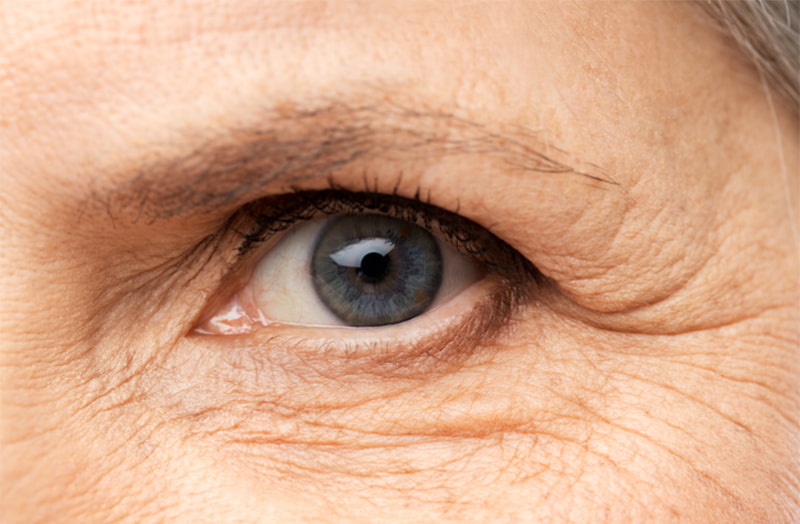
This is an example of brow aging that should not be overlooked during consultation. Patients with this anatomy often say, “I have droopy eyelids.” While that’s true, manually lifting the brow in this situation typically corrects about 80–90% of the heaviness. What remains is often just a small amount of upper eyelid skin that can be refined to create a clean, balanced silhouette. If this were my patient, an isolated upper blepharoplasty would not be appropriate, as it would be insufficient to create a meaningful improvement.
Many patients assume that trimming the eyelid skin alone will solve the problem. An upper blepharoplasty may remove some excess skin but leave lateral hooding or brow heaviness, creating a “partially fixed” look. When patients say they want a natural result, I have seen partial fixes appear less natural than comprehensive ones. Treating structures comprehensively within an area such as the eyelids and brow may deliver a more balanced, and hence more natural, result. Focusing only on the upper lids when other issues exist limits the potential of the area and may leave a patient underwhelmed if they focus on something new after healing.
Patients are often enthusiastic about blepharoplasty but more hesitant about brow lifts, usually because of outdated techniques from decades ago that left faces looking overly elevated and surprised. Those early lifts pulled the entire forehead vertically, aggressively removed excess scalp skin, and created a stiff, unnatural expression. Modern surgical approaches, used by well-trained facial plastic surgeons, are completely different and are rooted in an updated understanding of brow aging.
We used to think brows drooped straight down with age, so lifts were performed purely vertically, or straight up. Over time, we’ve learned that brows actually descend as a vector, more so inwards as well as downwards, following their natural attachments to the skull. Today, brow lifts are done in an up-and-out direction, gently “resetting” the brow to its natural position. I often encourage patients to use both hands to lift their own brow and forehead as a single unit—you’ll notice it does not look natural to go straight up. It looks better to go up and out laterally, which captures more of the tail of the brow. This approach essentially avoids the surprised or overly lifted look that occurs when the central brow comes up too much.
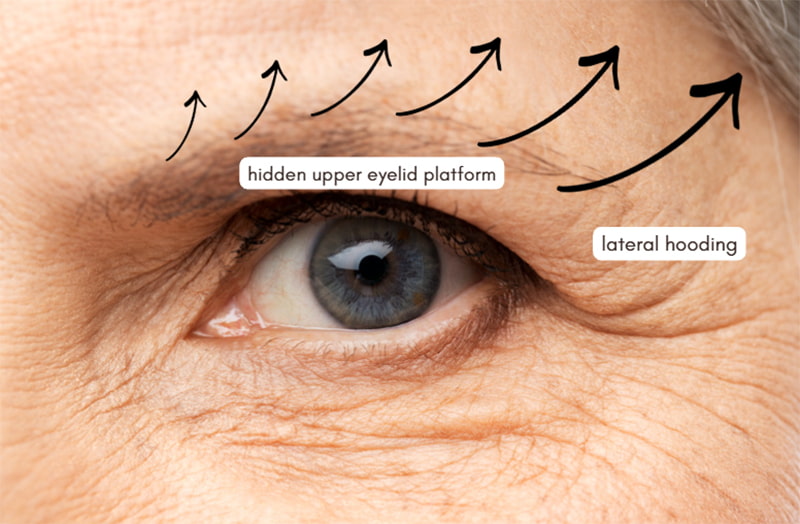
Same example as above. This demonstrates my preferred lifting direction with a modern temporal brow lift. The arrows illustrate the relative amount (and direction) of lift, with greater lift applied laterally. While the entire brow is elevated from central to lateral, the lift becomes more vertical and less outward as it moves toward the center. These vectors are always adjusted and customized for each patient.
For most patients (not all) looking to improve their upper eyelids, I often try to focus on the lateral brow, where the first signs of aging usually appear. A lateral temporal brow lift elevates the tail of the brow while applying a lighter lifting force to the inner portion. This opens the eye without raising the central brow too much. The main goal is to relieve the weight on the upper lid, which is almost always greater on the lateral side. In doing so, we restore, or as had been described by various surgeons, “reset” the brow to the position it held five or ten years ago.
Once the brow is reset, the blepharoplasty becomes a procedure of finesse. The crowding from the above is relieved, so we must remove only the true excess upper eyelid skin. Preserving volume of the upper eyelid is key. By carefully sculpting the underlying fat pads, we create a crease that looks natural.
Social media trends, like the “Fox Eye,” have popularized an aggressively swept-up lateral brow and a pulled-up outer eye corner. The term “fox eye lift” is often used differently by various surgeons or even injectors, sometimes as a marketing tool rather than an actual surgical technique. Many advertised procedures either don’t deliver the look or do so with significant risk or complication.
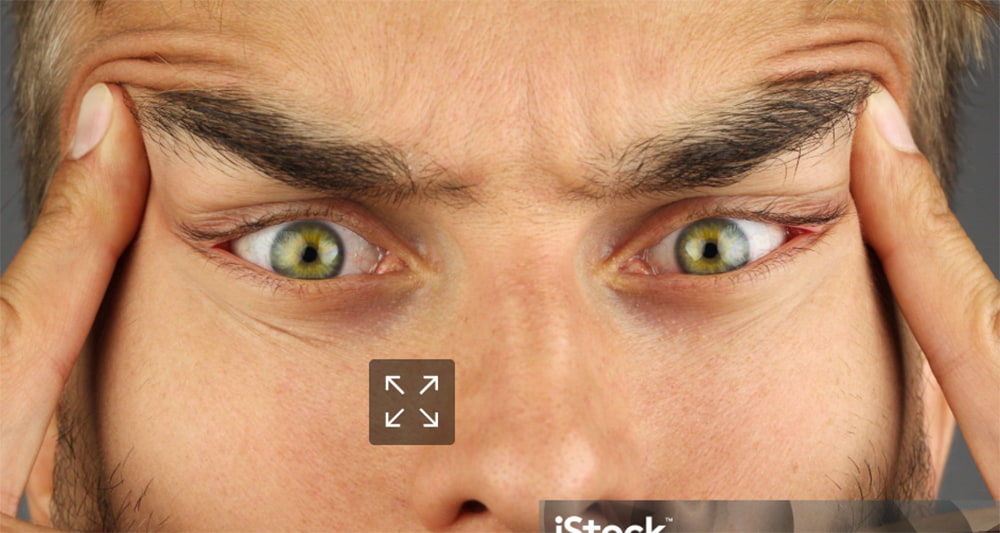
My practice philosophy avoids surgeries that aim for exaggerated results, disrupt natural anatomy, or distort facial proportions. I do not offer procedures that result in a tight, pulled, or “yanked” appearance. Consultations are not just about what can be done; they are equally about understanding what will not be done. Patients have every right to choose a surgeon whose approach aligns with their personal aesthetic goals, and I respect those individual preferences.
In my understanding, a true “fox eye” effect involves raising the outer corner of the eye through a reconstructive procedure called canthoplasty, combined with aggressive elevation of the lateral brow. This creates a dramatic, exotic appearance. For some patients, this may be desirable. However, the long-term effects of such aggressive changes, including how aesthetic tastes evolve over decades and how the procedure holds up with aging, are largely unknown. I personally do not offer cosmetic canthoplasty, as I believe the risks can outweigh the benefits. I have performed canthoplasty for reconstructive needs, such as after skin cancer removal or to correct complications from prior surgery. In very complex cases, I will refer patients to an oculoplastic surgeon with specialized experience to safely navigate the delicate anatomy.
In my practice, requests for fox eye surgery are rare. We intentionally emphasize a natural approach and do not market procedures in a way that encourages exaggerated trends. Most patients are deciding between a blepharoplasty and/or brow lift and want the opposite of what “fox eye” surgery promises; they want natural, not overdone. This is where the temporal brow lift shines: it provides a subtle, lateral-focused elevation of the entire brow, creating a flattering, youthful sweep without ever risking an overly lifted or surprised look. I often reassure patients that with this approach, it is essentially impossible to lift the brow too much.
One major benefit of combining blepharoplasty and brow lift is a consolidated recovery. Both procedures target the upper face, so downtime overlaps. Swelling and bruising usually peak around day three and improve significantly by day ten. Both eyelid and brow lift incisions are discreetly hidden within the eyelid crease or side hairline, respectively, keeping signs of surgery subtle in social situations.
For busy NYC patients, this efficiency is a major advantage. All facial surgeries require a minimum two-week period of restricted activity, careful incision care without makeup, and follow-up visits to the office. I’ve performed the eye-brow “BBL” for patients in their 30s through 60s. Age is not the main factor. Some patients seek surgery earlier in life because of a naturally down-sloped brow, and that’s perfectly appropriate.
I always stress that patients should avoid comparing their anatomy, surgical plan, or results to anyone else’s. Surgery is not one-size-fits-all. How much “lift” you see depends on how much sagging is already there. Someone with more age-related drooping will see a bigger absolute lift than a 25-year-old who doesn’t have sagging and only wants a small shape change to the outer brow. Because of this, the amount of lift is different for everyone, and the brow can’t be moved to just any height.
The cosmetic canvas is unique to each patient, and achieving a natural result depends on tailoring any procedure to one’s individual anatomy, as shown in our upper blepharoplasty gallery.
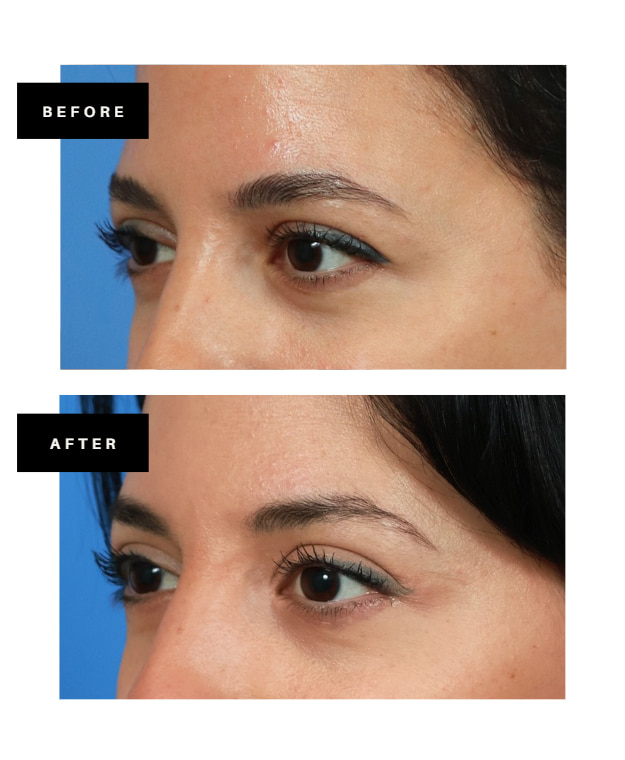
This is an example of my beautiful patient one year after upper blepharoplasty and a temporal brow lift. This is her final, fully settled result. The upper eyelid platform is gently revealed, and the lateral corner and brow tail are softly lifted. The brow still moves naturally to express surprise, something that should never be taken away. She appears naturally restored, or “reset,” without any obvious signs of surgery. This result enhances without announcing itself.
Aging around the eyes doesn’t just touch the eyelids. Rather, it moves through the brow, forehead, and upper eye region as a universal force. The new face-specific BBL (Bleph and Brow Lift) addresses aging of the upper eyes and brows together. When done with careful thought and planning by a New York facial cosmetic surgeon, the result isn’t about looking odd or exotic; it’s about a gaze that’s relaxed, believable, youthful, and unmistakably you.
As always – thanks for reading.
xo, Dr. Renata
At RENATA Facial Cosmetic Surgery, we prioritize privacy. While many Before & After photos are featured on our website and social media channels, we understand not everyone wishes to share them publicly. To respect our patients’ unique preferences, we invite you to explore a more comprehensive Before & After gallery during your consultation in our office.
Life can be demanding, and we understand. For patients who may be traveling, preparing for a last-minute occasion, or simply looking for a more exclusive experience without any inconvenience or delays, we are pleased to offer preferred patient scheduling. Patients may undergo a personal consultation as well as tailored cosmetic treatments during evening hours or weekends. Appointments are required and premium rates apply. Please call our office to inquire about preferred patient scheduling and allow us to create an exceptional experience just for you.
Contact UsAt RENATA Facial Cosmetic Surgery, patients receive excellent customer service, communication, personal attention, and scheduling flexibility. Located in the historical and breathtaking waterfront neighborhood of DUMBO, Brooklyn in New York City, our office serves local neighborhoods including Brooklyn Heights, Park Slope, Williamsburg, and Cobble Hill, as well as Manhattan and New York City at large.
Our office location is:
58 Prospect Street, Brooklyn, NY 11201
Monday - Friday: 8:30AM to 4:30PM Saturday (by appointment only): 9:30 to 2:30PM